History · the homeland
Tea in China
The country that gave the world the leaf also gave it the method — the seven classes, the gongfu table, and a thousand years of arguing about water.
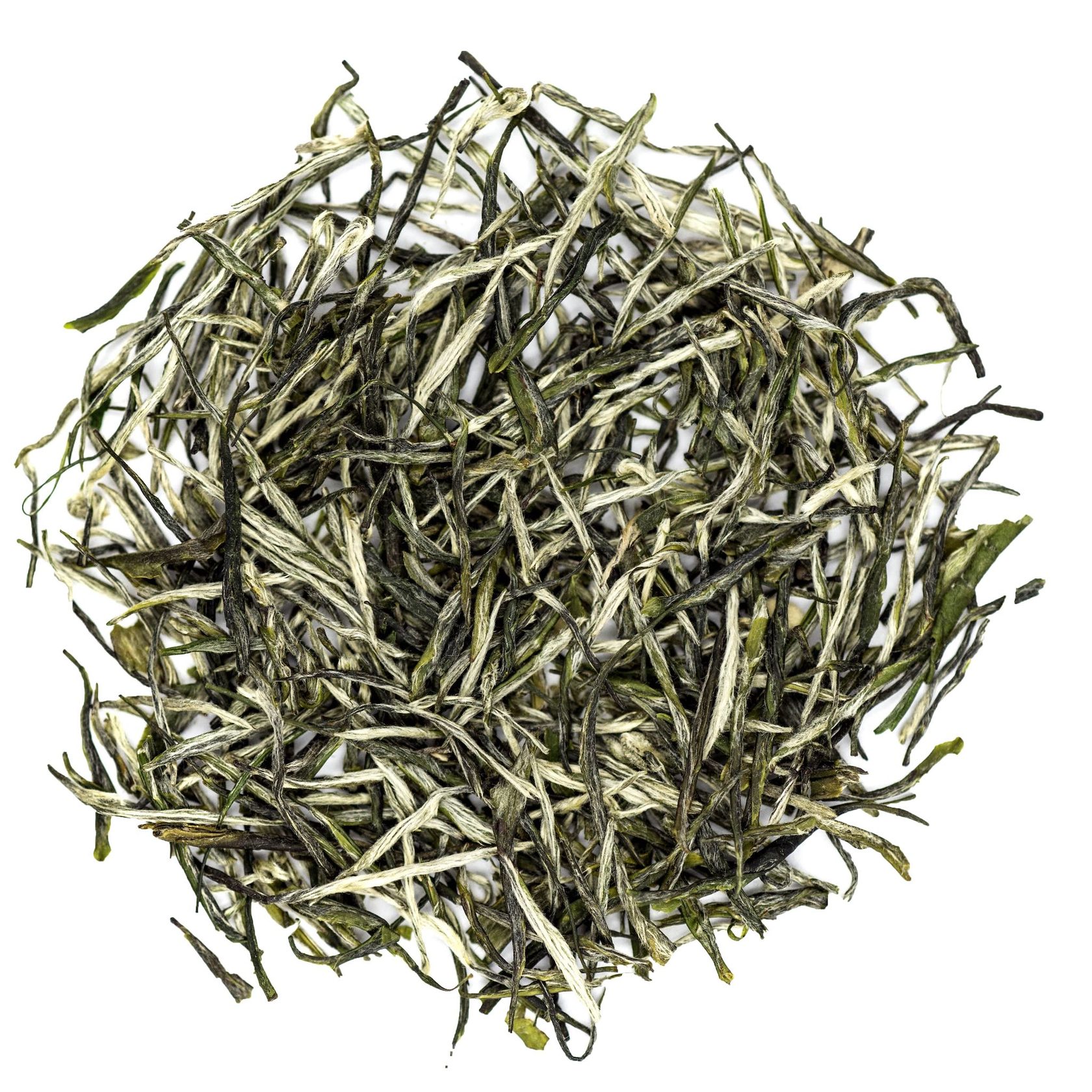
China is not just where tea comes from; it is where tea was figured out. Almost every idea about the leaf — that it should be compared, graded, matched to a vessel, brewed in a particular way — was worked out here first, over more than a thousand years of practice.
Three ages of the cup
Chinese tea has been prepared three very different ways. In the earliest age it was boiled — the leaf, often pressed into cakes, ground and cooked, sometimes seasoned. Later came the age of whisked powdered tea, bright-green and frothed in a bowl, a method China eventually set aside but which travelled to Japan and survives there as matcha.
The age we still live in is the age of steeped loose leaf — whole leaves infused in hot water and poured off. It sounds obvious now, but it was a revolution: it put the focus on the leaf itself, on its shape and aroma and the way it opened in the water, and it made the differences between teas legible in a way boiling never had.
The seven classes
Out of that long practice came the framework this site is organised around: the seven classes, sorted not by plant or place but by what is done to the leaf after it is picked. How fast the oxidation is stopped, how far it is allowed to go, whether the leaf is roasted, whether it is left to ferment and age. From those few decisions come green, white, yellow, oolong, red, dark and pu-erh — a whole spectrum from one species.
The plant is the question the same in every region. The class is the answer the maker chooses.
The gongfu table
China also gave the leaf its most expressive way of brewing: gongfu cha, “tea with effort”. A lot of leaf, a small vessel, water at the right heat, and many short infusions poured one after another — so a single tea can be tasted as it evolves, steep by steep, instead of flattened into one cup. It is less a recipe than a conversation with the leaf, and it is the reason a good oolong or pu-erh can hold your attention for an hour.
To drink Chinese tea seriously is to inherit all of this — the classes, the methods, the endless small arguments about water and time. This community exists to pass it on, plainly and without mystique.