home / history / The story of tea
History · the long view
The story of tea
How a bitter leaf from the southwest mountains became a medicine, a ritual, a currency and, eventually, the most-drunk prepared drink on earth.
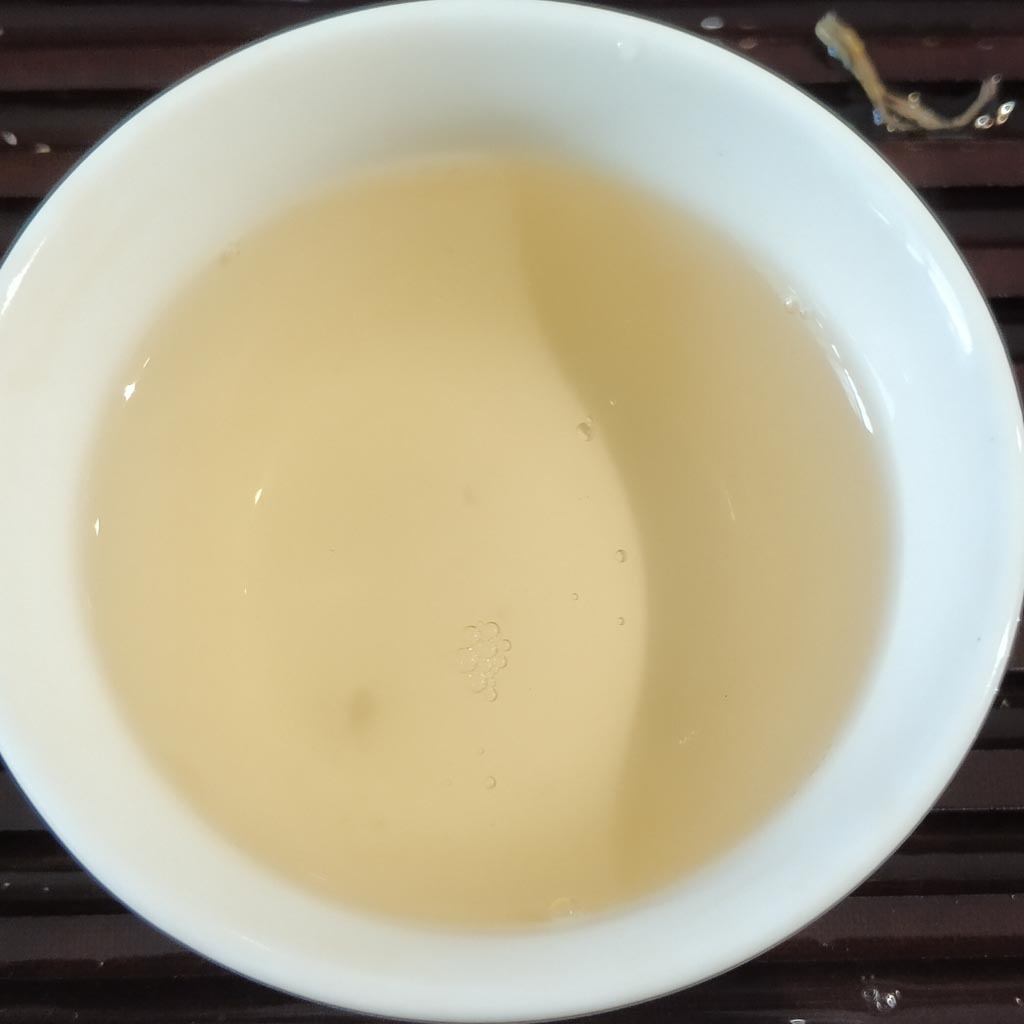
Every cup of tea is older than it looks. The plant — Camellia sinensis, one species in two great varieties — is native to the tangle of mountains where southwest China, northern Myanmar and the eastern edge of the Himalaya meet. There, on broad-leaf trees that can live for centuries, the leaf was first chewed and then boiled, long before anyone wrote it down.
From medicine to drink
Tea began as a medicine. The earliest uses were practical — a bitter, stimulating leaf taken for clarity and to settle the body. For centuries it was boiled hard, often with other things thrown in: ginger, salt, citrus peel, even grain. Only slowly did it become a drink taken for its own sake, prepared with care and judged on its merit.
The turn came when people began to ask the questions this encyclopedia is built around. Not just does it work, but which leaf, from which hill, picked when, and handled how — the questions that separate one tea from another. Once the leaf was worth comparing, it was worth writing about, and the literature of tea began.
A leaf that travelled
Tea is light, durable when dried, and it does not spoil — which made it perfect for trade. Pressed into bricks and cakes, it moved along the great overland routes the atlas maps: north and west to the steppe and to Tibet, where it became a daily staple churned with yak butter and salt; and outward by sea to the rest of the world.
Where the leaf went, ritual followed, and where ritual went, the leaf was reinvented.
By the time tea reached Europe it was already ancient, but the Western world met only a narrow slice of it — mostly the fully oxidised red teas that survived the long voyage. The full spectrum of the seven classes, the cooler greens and the floral oolongs and the aging cakes, stayed close to home.
Why it still matters
Today tea is the most-consumed prepared beverage on the planet after water, and yet most of the world still drinks only that narrow slice. The reward of going deeper is not snobbery but range: a single plant, handled seven different ways, gives a wider field of flavour than almost anything else you can pour into a cup. That field is what the rest of this site is for.