The seven classes · 03
Yellow tea
huángchá · 黄茶
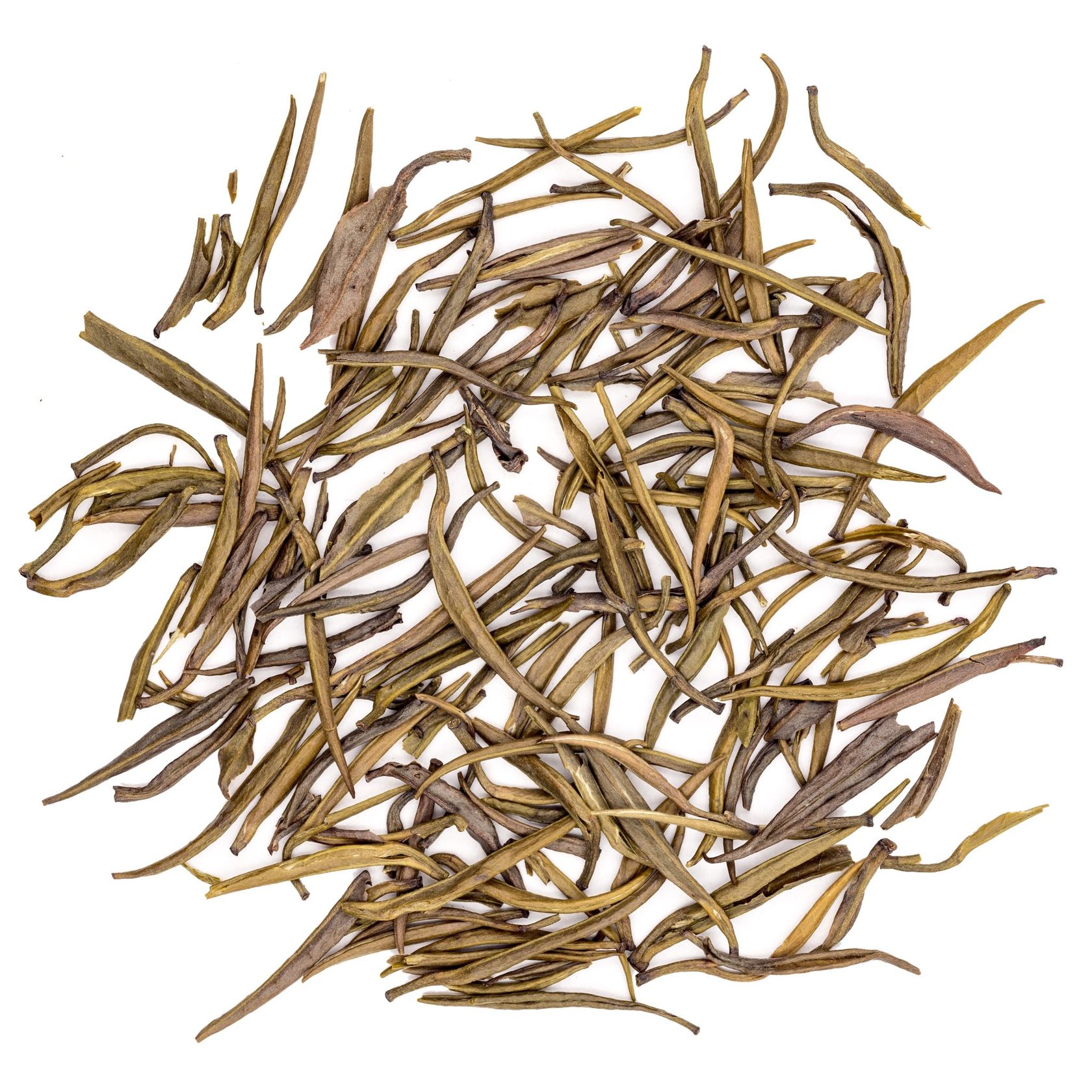
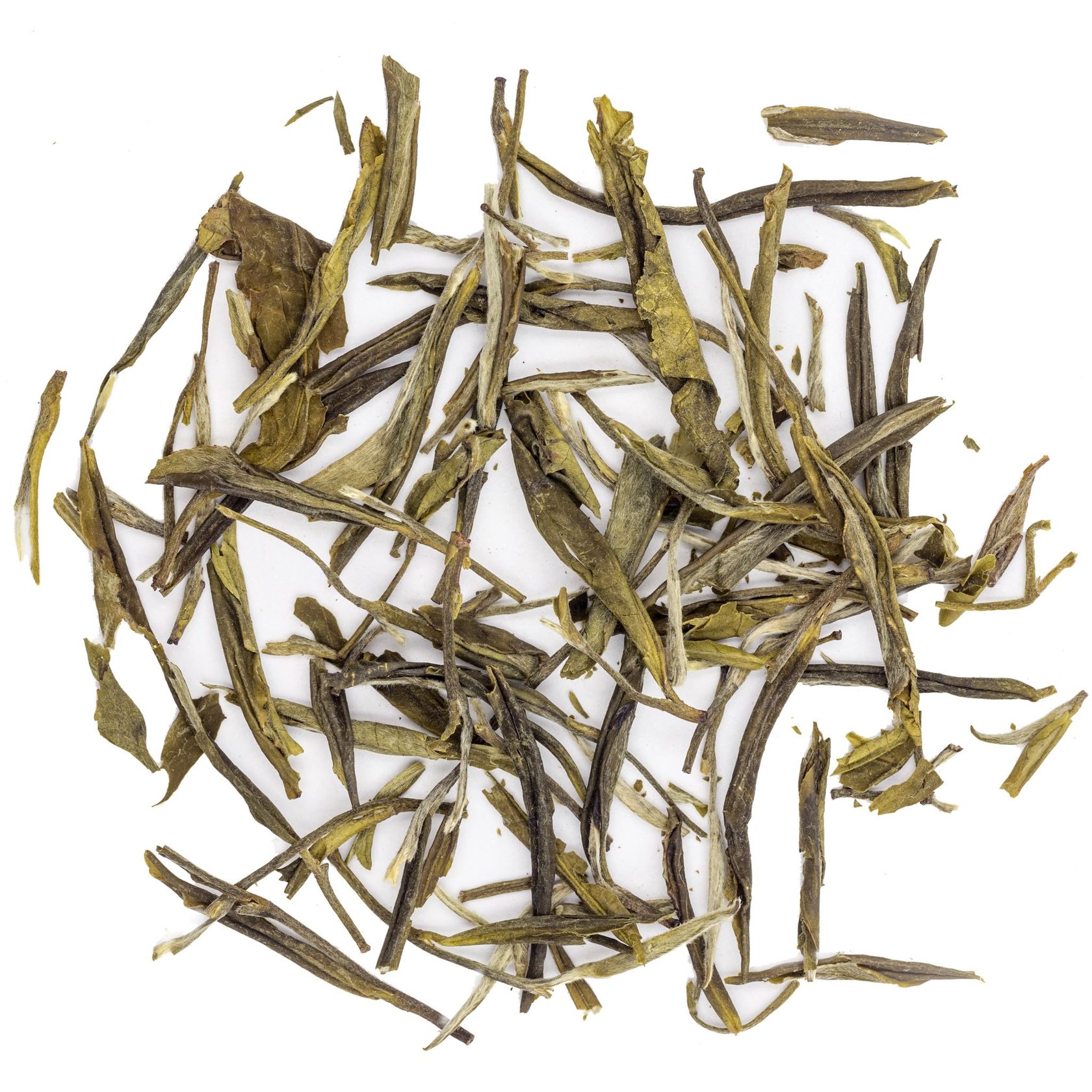
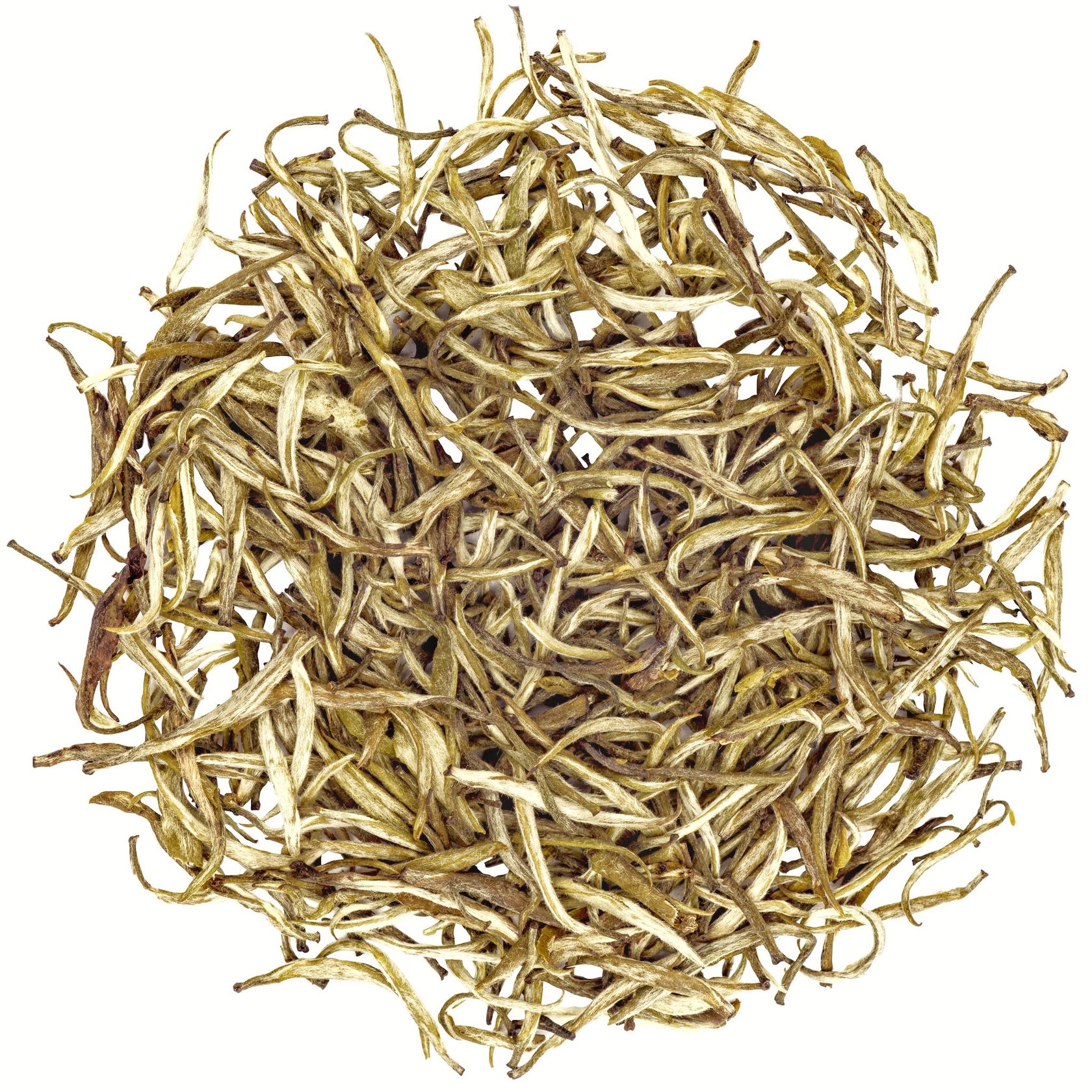
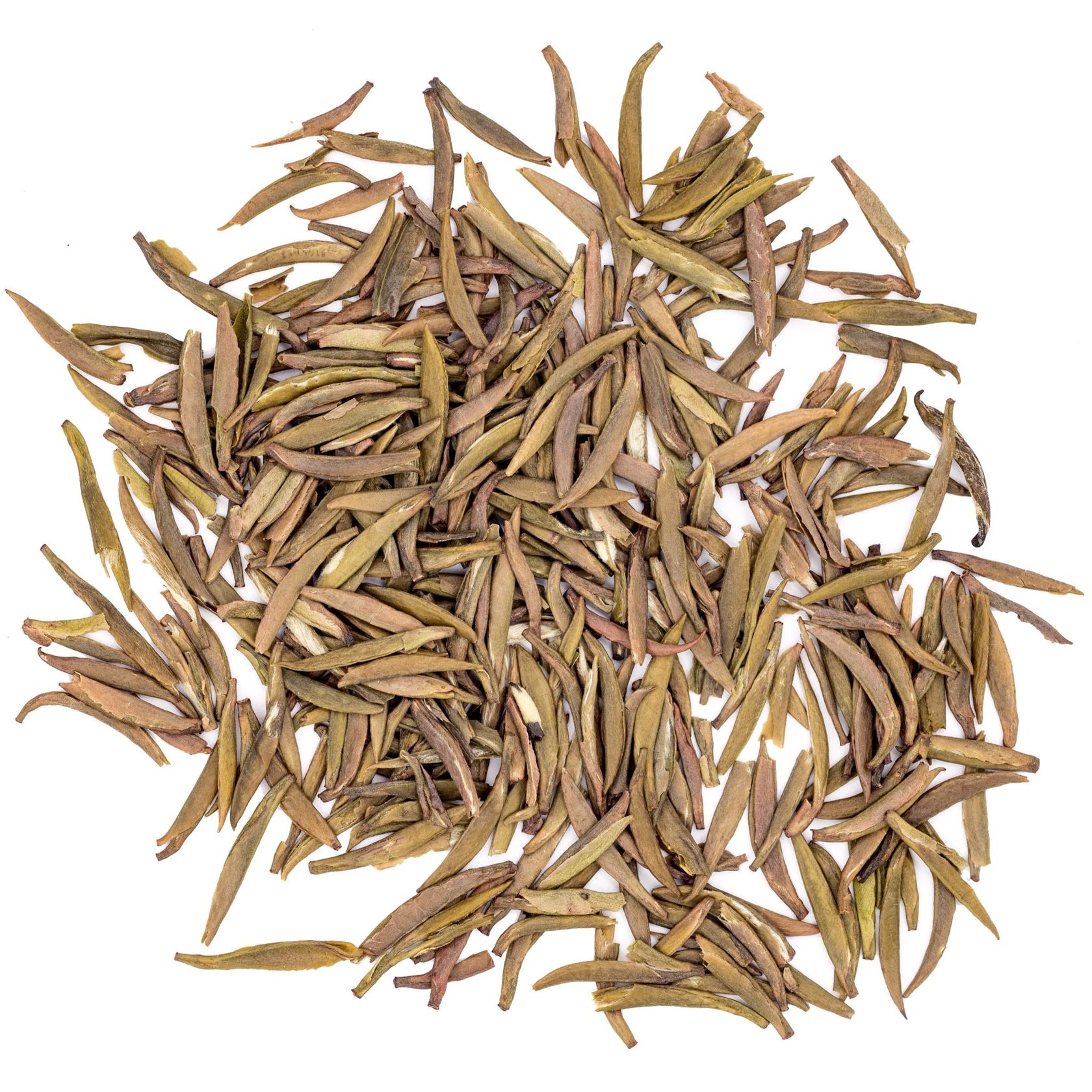
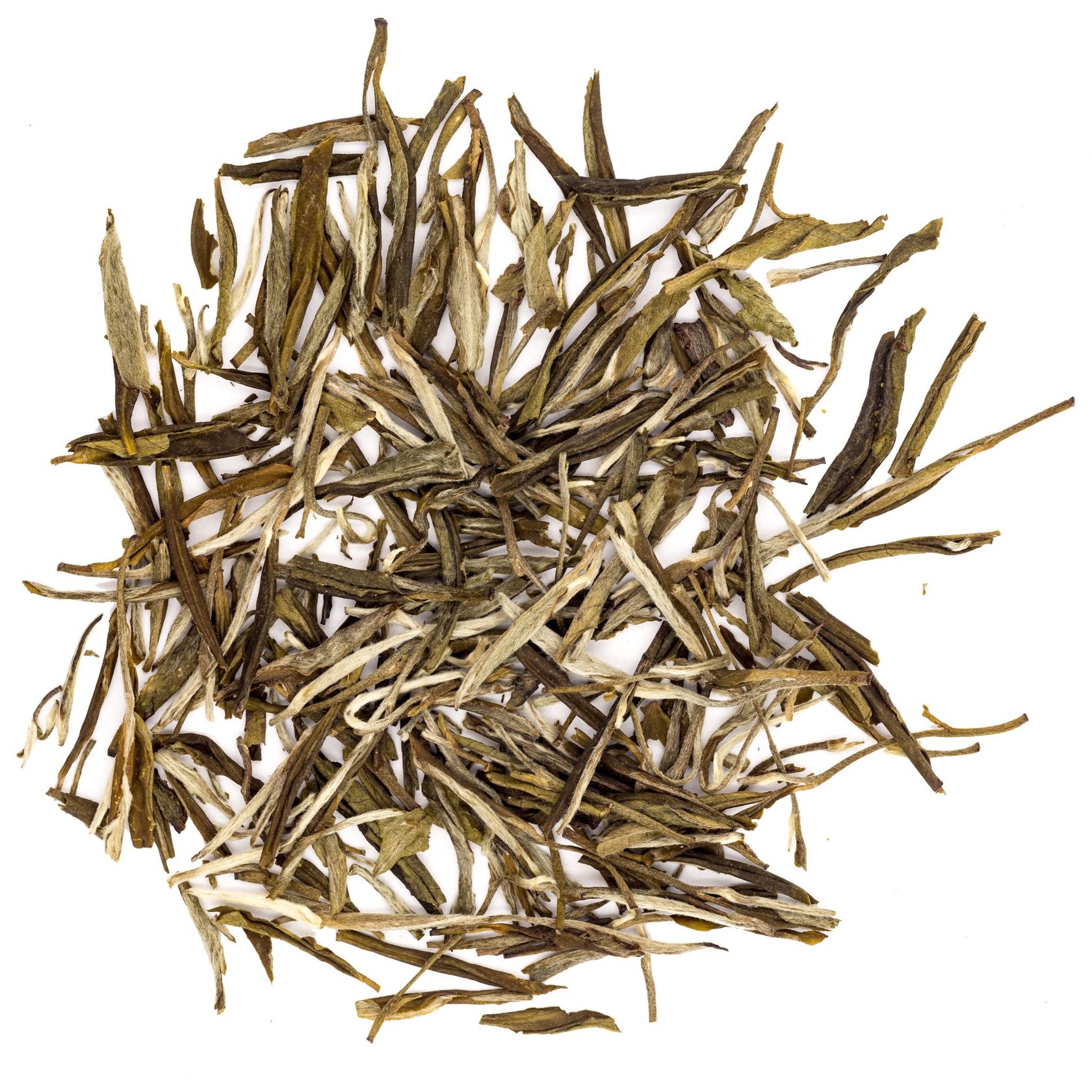
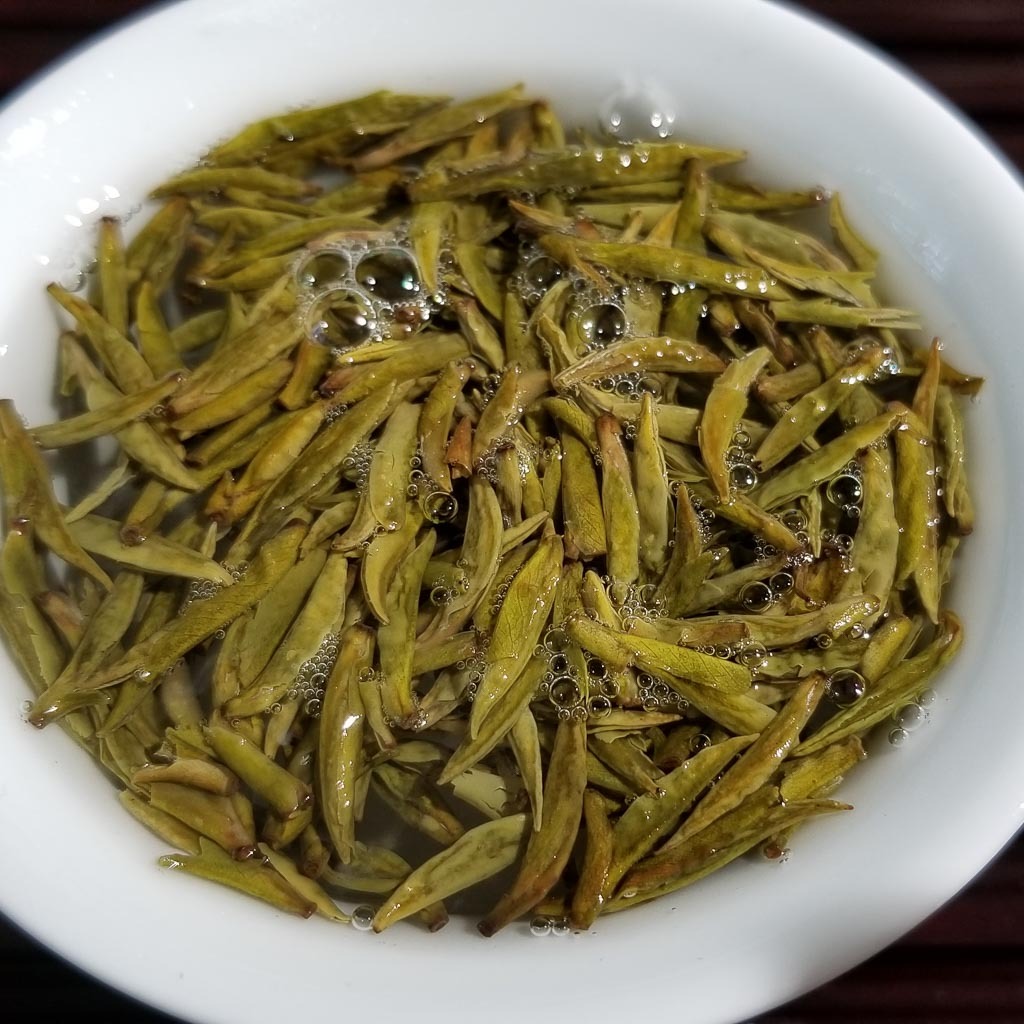
Yellow tea is green tea given one extra, patient step — the warm leaf is wrapped and left to yellow gently, smothering the grassy bite into something mellow, sweet and faintly nutty. It is the scarcest of the seven.
Oxidation · Lightly oxidised — green tea, then smothered
Yellow tea begins exactly like a green — the leaf is fixed by heat to stop oxidation. Then comes the step that defines the class: mènhuáng, “sealing yellow.” The still-warm leaf is wrapped in cloth or paper and left to rest, sometimes for a day or more, while a slow, gentle non-enzymatic change rounds off the green edge.
What you lose is the sharp spring grassiness; what you gain is a mellow, corn-sweet, faintly nutty cup with a soft yellow liquor. It is labour-intensive and barely profitable, which is why yellow tea is the rarest of the seven and why some famous “yellows” are quietly made as greens today.
Where to find it
The benchmarks are Junshan Yinzhen from an island in Dongting Lake in Hunan, and Huoshan Huangya from Anhui. Both are bud-heavy, both are scarce, and both reward a cooler brew that lets the sweetness lead.