The seven classes · 02
White tea
báichá · 白茶
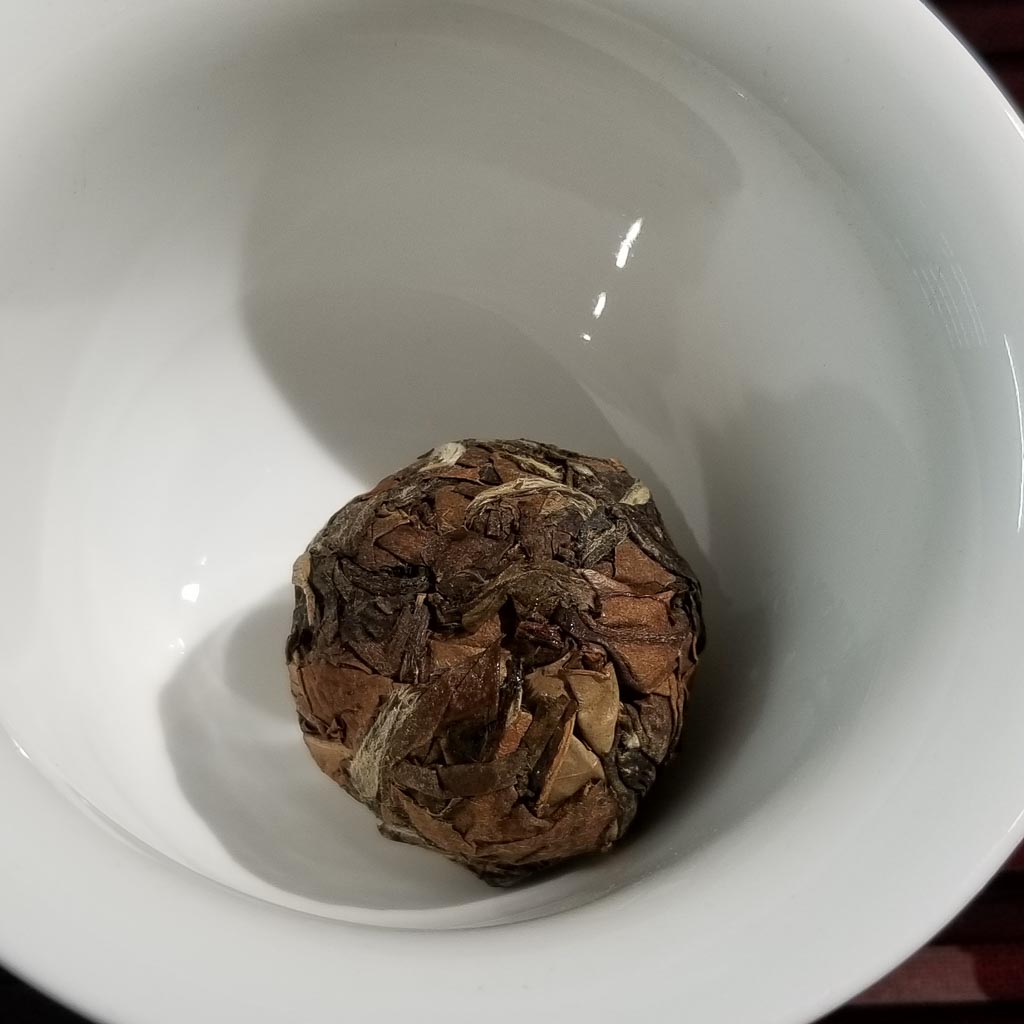
White tea is the least handled of all — leaf and bud withered in air and gently dried, with no fixing and no rolling. The result is pale, soft and sweet, and unusually it improves for years.
Oxidation · Barely oxidised — wither and dry, nothing more
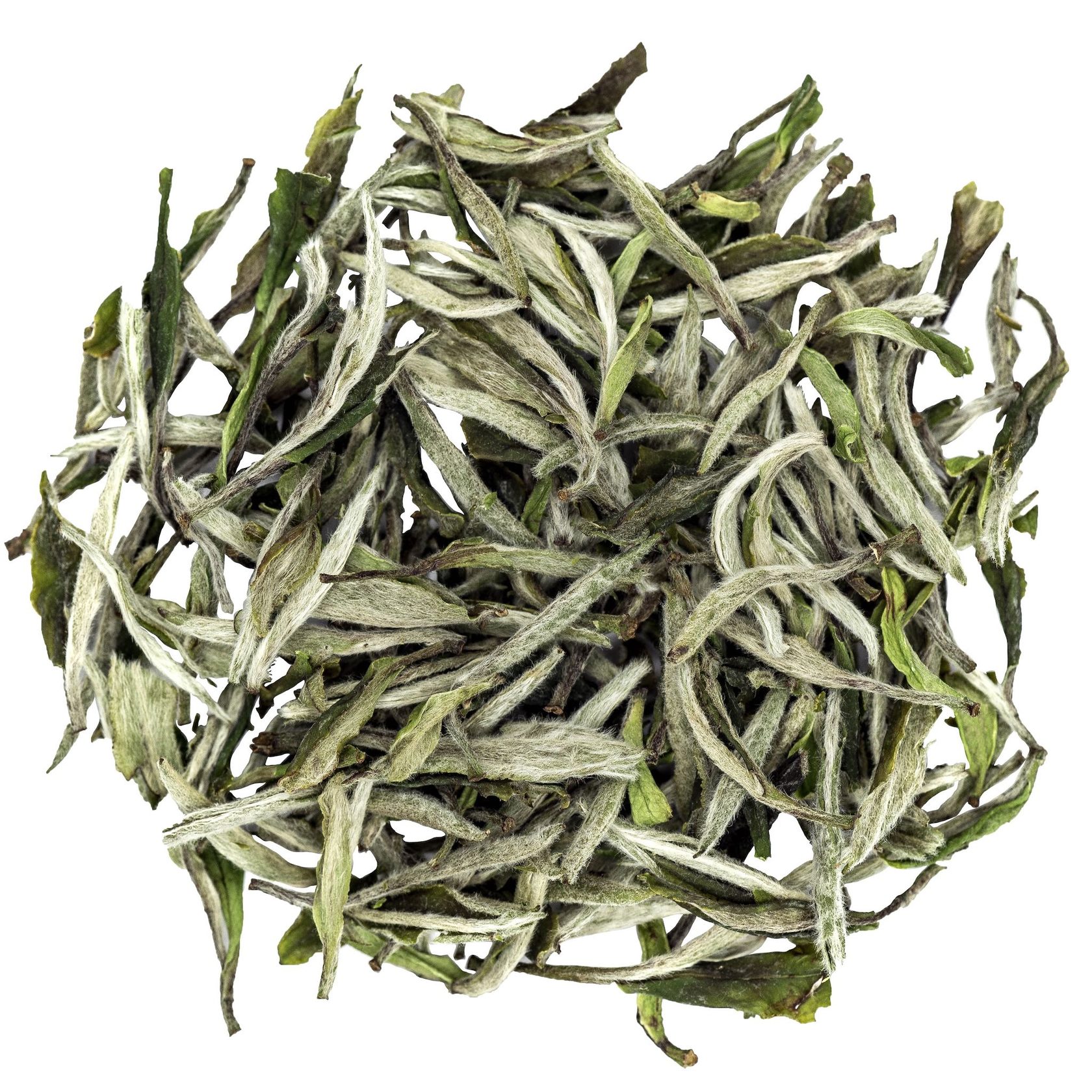
If green tea is leaf stopped by fire, white tea is leaf simply let be. The young buds and leaves are laid out to wither — sometimes for days, in sun and shade — and then dried. There is no pan, no rolling, no shaping. The silvery down on the bud, the háo, stays intact, and the cup is gentle: melon, hay, a clean honey sweetness.
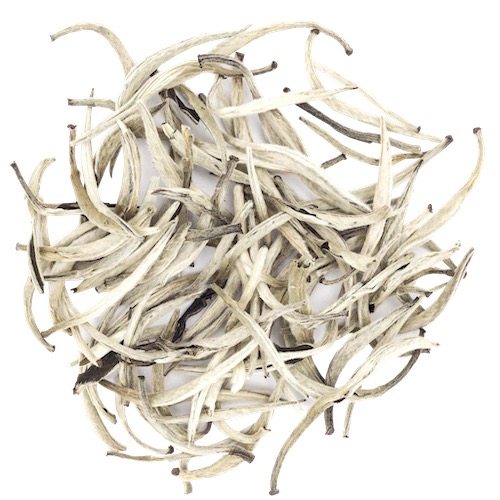
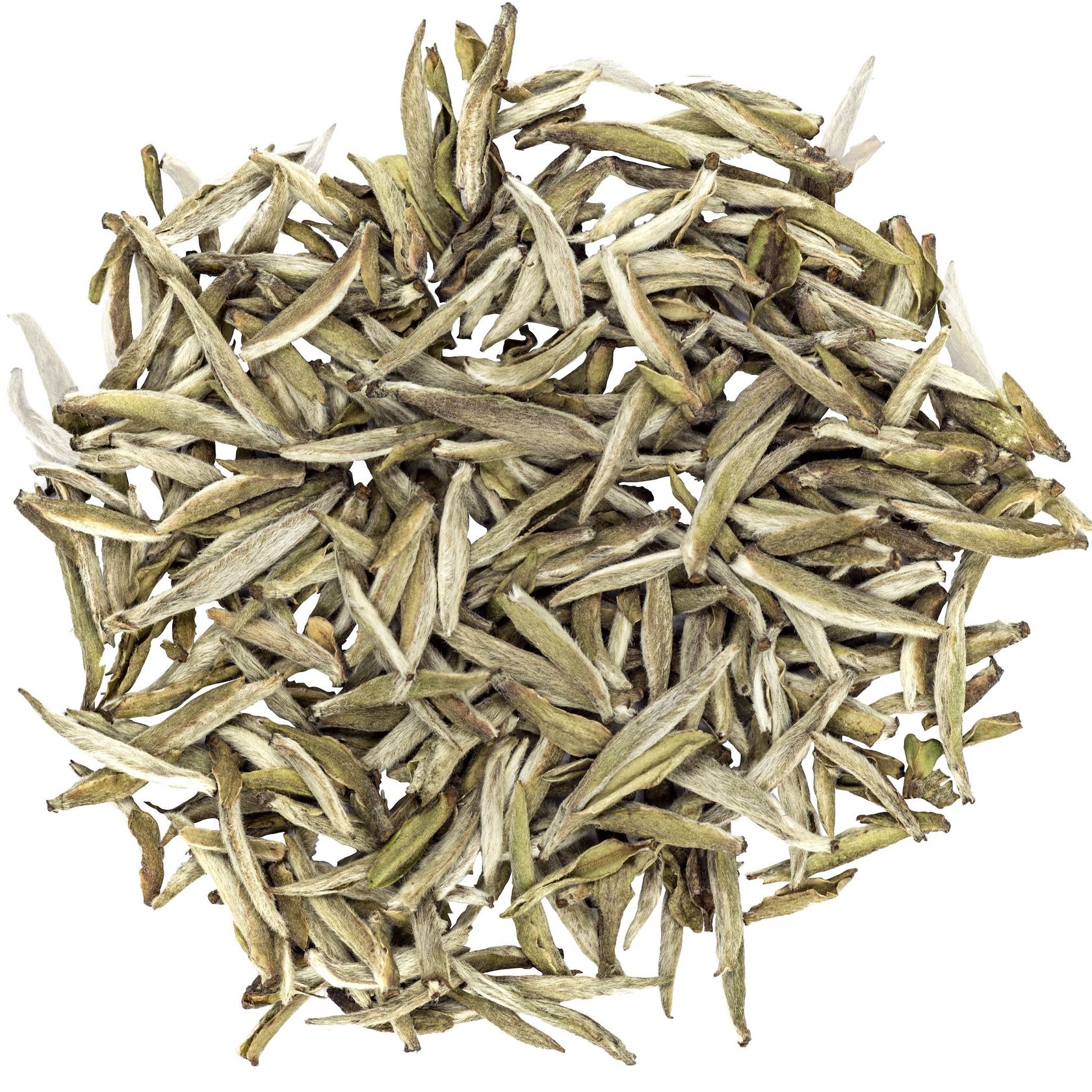
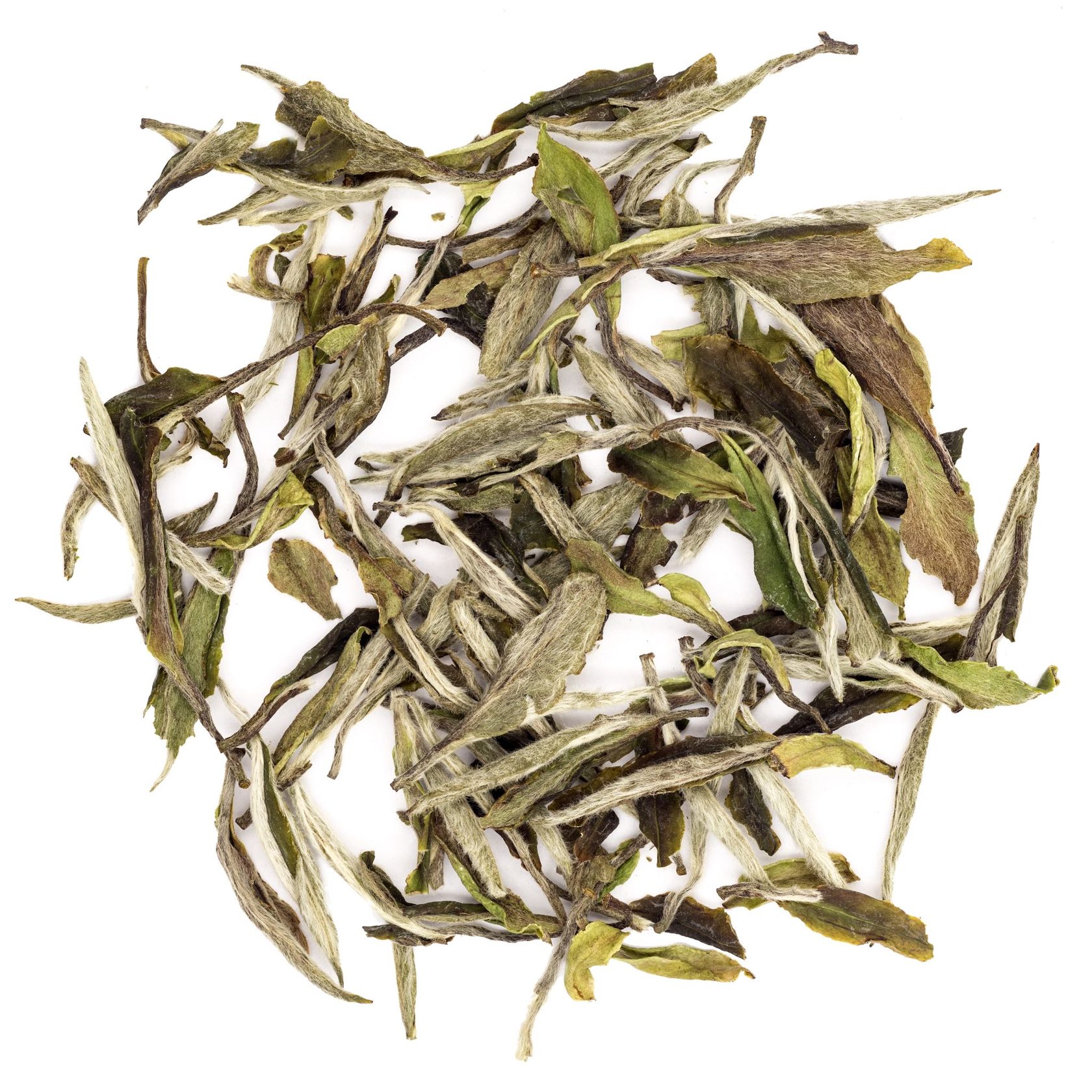
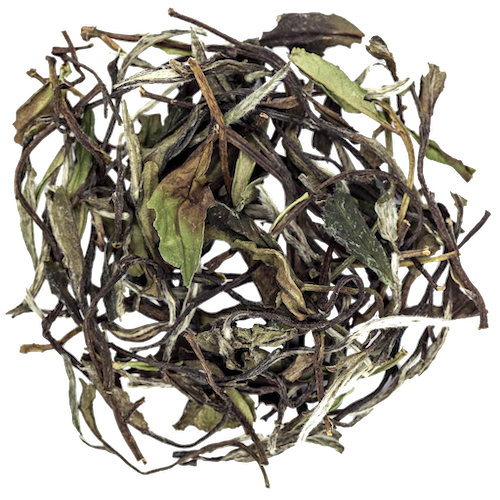
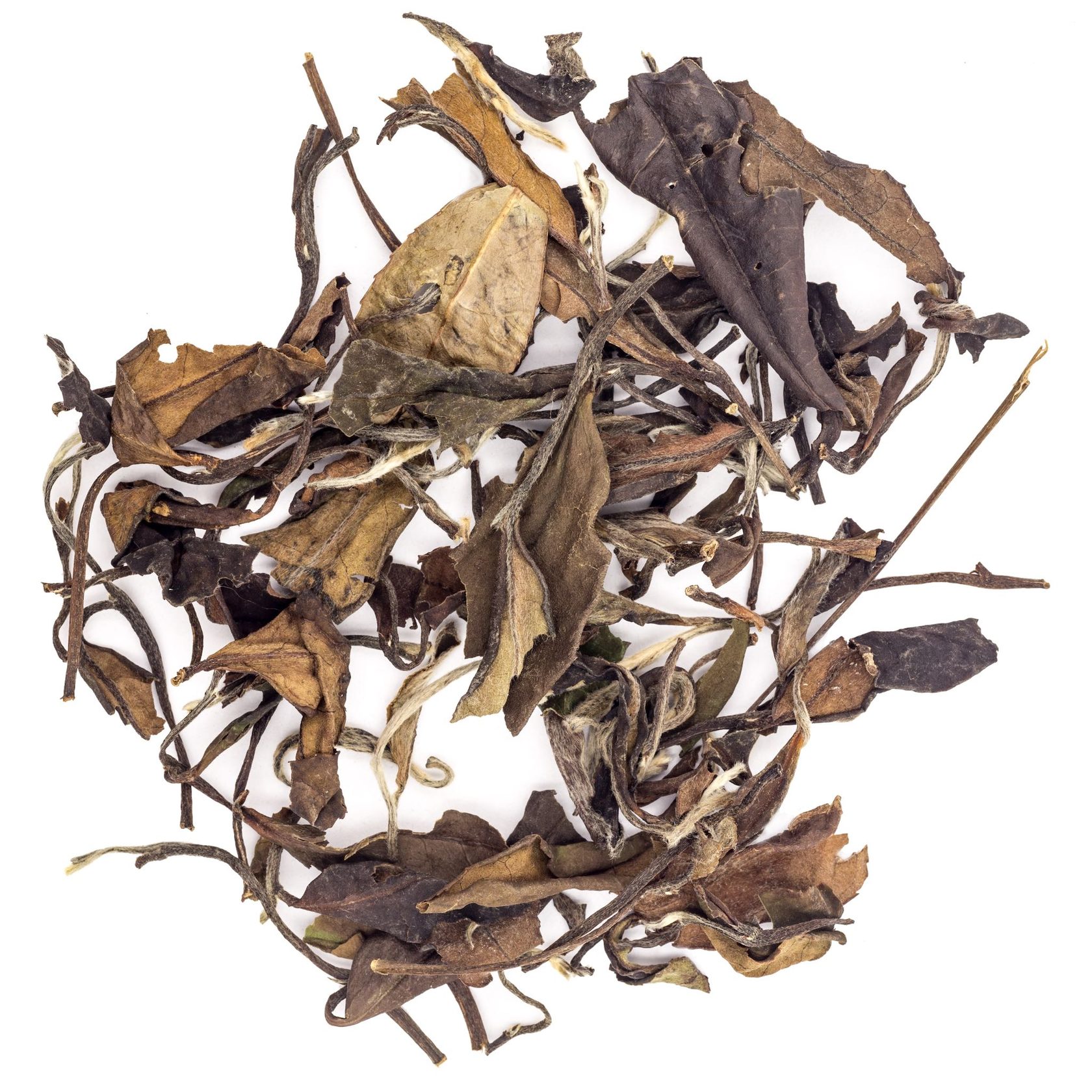
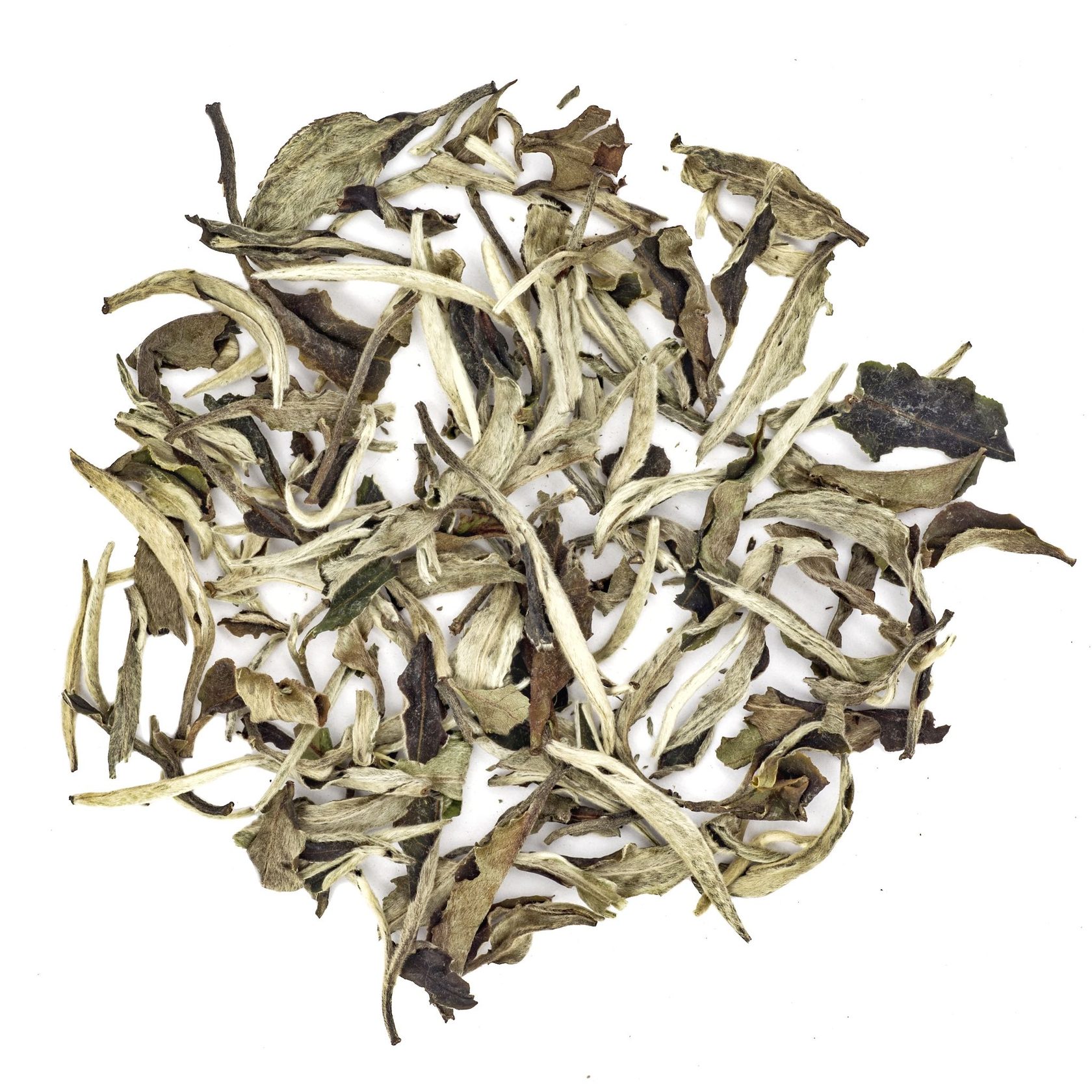
The classic whites come from Fuding and Zhenghe in Fujian. The grade ladder runs from all-bud Baihao Yinzhen (silver needle) down through bud-and-leaf Bai Mudan (white peony) to the leafier Shoumei.
The one that ages
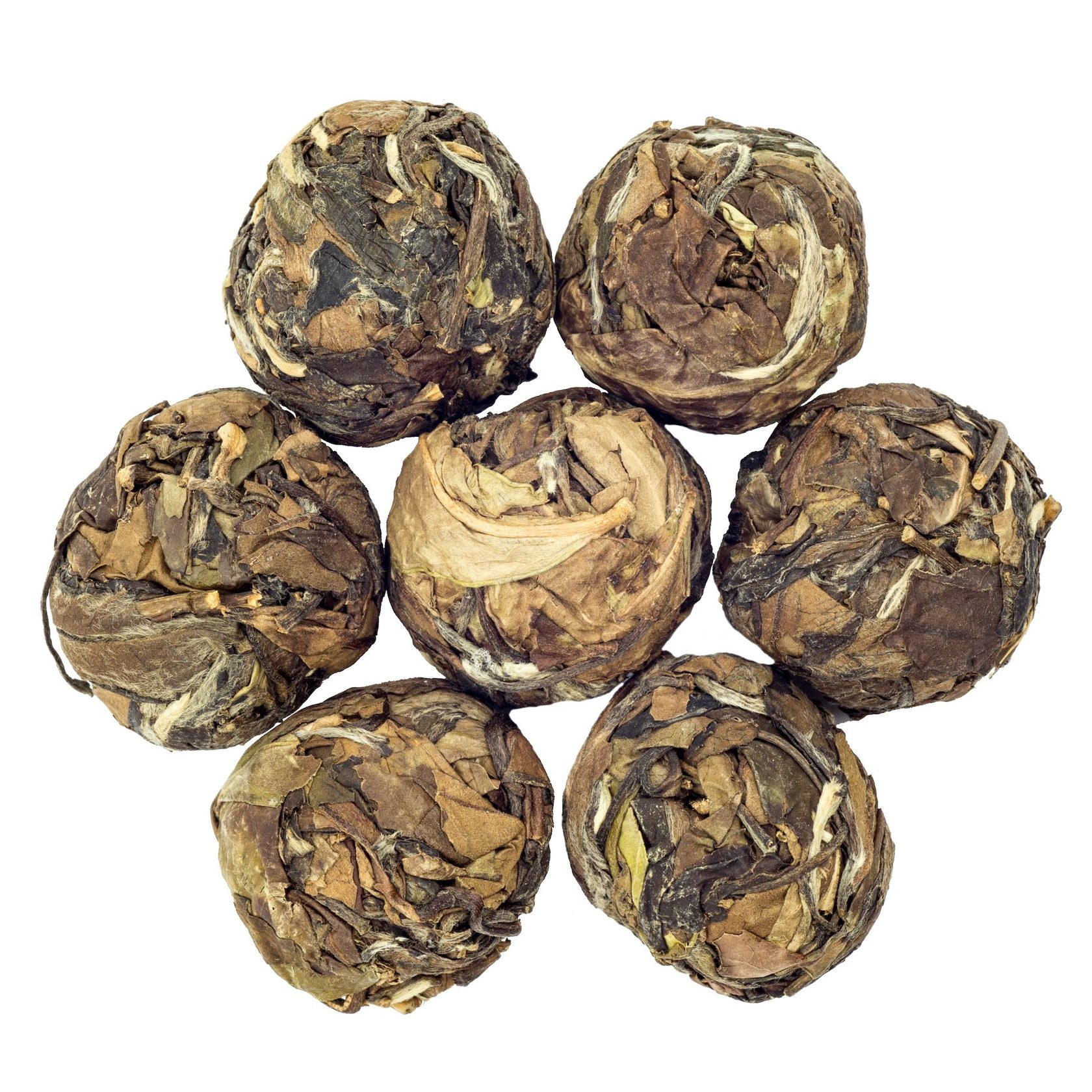
Unusually for a barely-oxidised tea, good white tea rewards patience. Pressed into cakes and kept dry, it slowly deepens — the hay turning to dried apricot, dates and warmth. Collectors speak of it the way pu-erh people speak of their cakes.
Varieties in this class