home / teas / Oolong tea
Oolong · Wuyi rock tea
Bai Ji Guan
白鸡冠
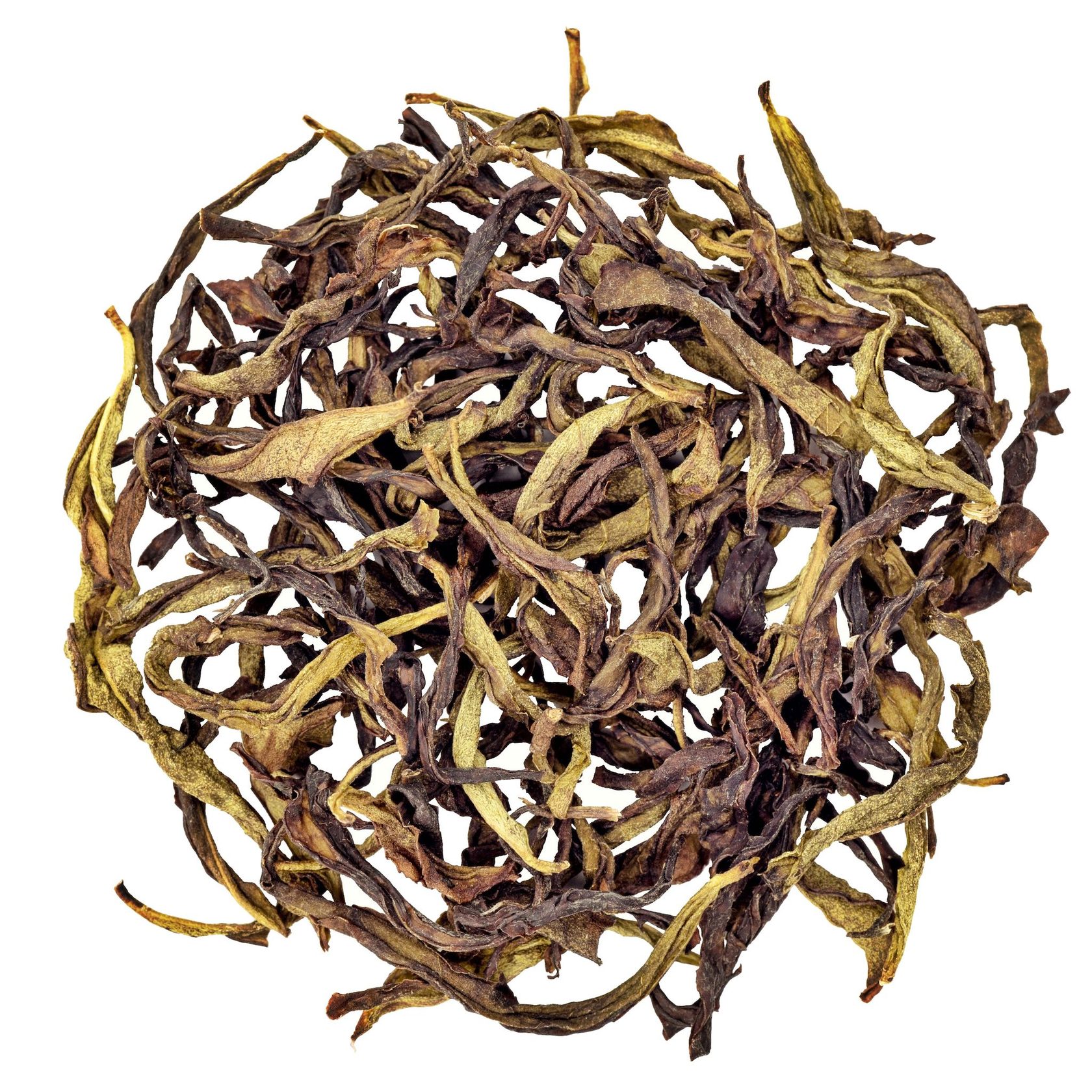
“White cockscomb” — one of the four famous Wuyi rock teas, and the strangest. Its pale yellow-green leaf and lighter roast set it apart from its dark cliff cousins, giving a softer, sweeter, more floral rock tea.
- Region
- Wuyi mountains, Fujian — 600–1,000 m
- Harvest
- Late spring; roasted over following months
- Oxidation
- Medium oxidation, light-to-medium roast
- Cultivar
- Bai Ji Guan — a pale-leaf Wuyi cultivar
In the cup
Sweet corn, herbs and a soft floral note over a light mineral body — gentler and brighter than most rock teas, with a clean finish.
What it gives
A smooth, warming oolong — partial oxidation and a measured roast make it mellow and easy on the stomach, with a calming aftertaste.
Bai Ji Guan — white cockscomb — is one of the sì dà míngcōng, the four famous bushes of the Wuyi rock-tea tradition, alongside Da Hong Pao, Tie Luohan and Shui Jin Gui. It is the odd one out, and the easiest to recognise: its cultivar carries a pale, almost albino leaf, yellow-green where the other rock teas are dark, said to resemble the comb of a white rooster.
That pale leaf calls for a gentler hand. Bai Ji Guan is given less oxidation and a lighter roast than the heavy, charcoal-finished Da Hong Pao, so it keeps a softness and a floral lift unusual in yánchá. It still grows in the same mineral gullies of the Wuyi cliffs and still carries the yányùn, the “rock rhyme”, but worn lightly.
In the cup
Brew it gongfu — a good measure of leaf, near-boiling water, short steeps — after a quick rinse. The liquor is pale gold for a rock tea, the flavour sweet corn and herbs over a soft mineral base, the floral note clearer than its roasted cousins. It is the rock tea to reach for when you want minerality without the weight of the roast.
How to brew
Bai Ji Guan
Water
95 °C — near boiling
Leaf
7 g per 100 ml
Steep
Rinse, then 15–25 s, many steeps
Vessel
Gaiwan or seasoned clay pot
More from this class
Oolong tea
Alishan Oolong
ālǐshān wūlóng
Ban Tian Yao
bàn tiān yāo
Da Hong Pao
dàhóngpáo
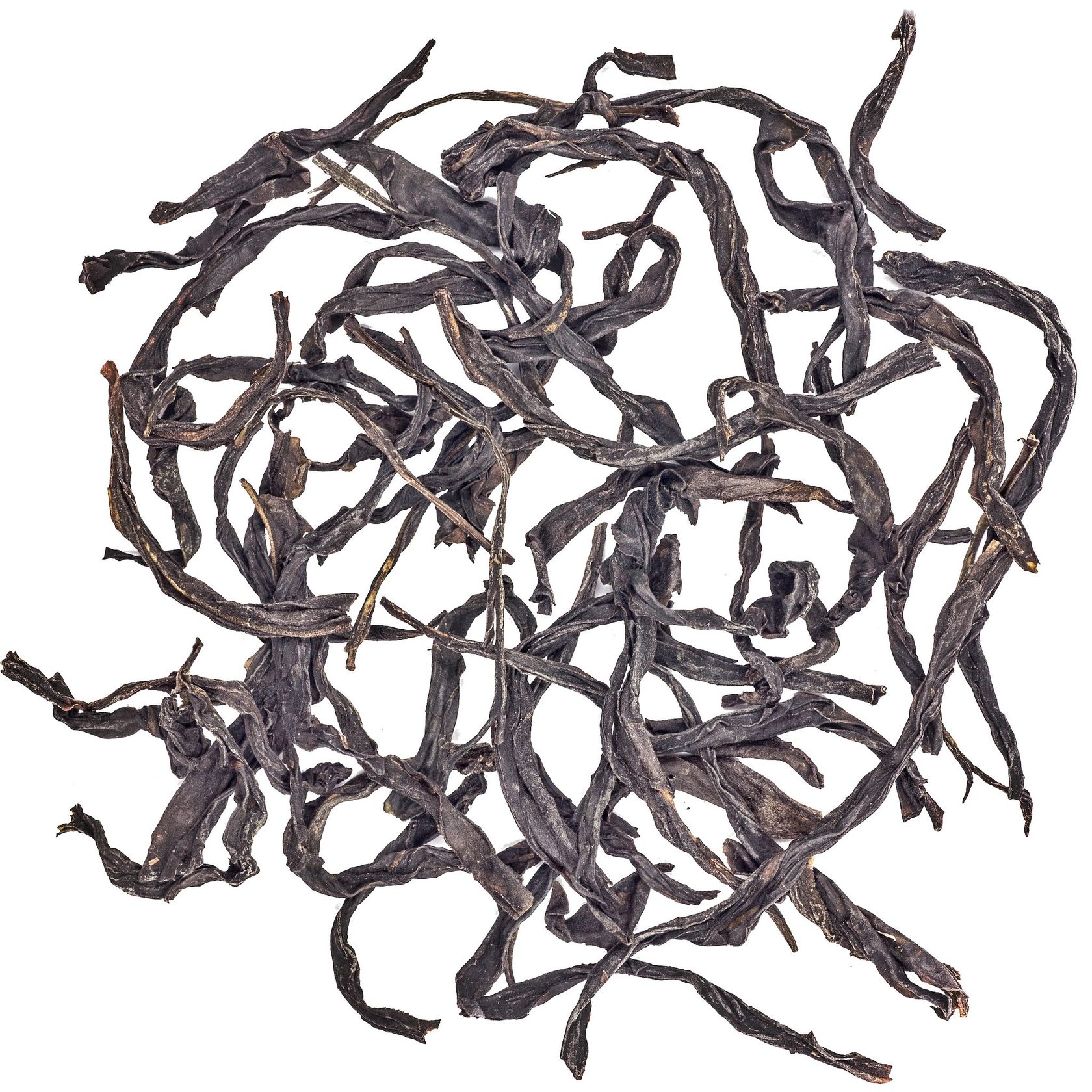
Dan Cong Mi Lan Xiang
dāncōng mì lán xiāng
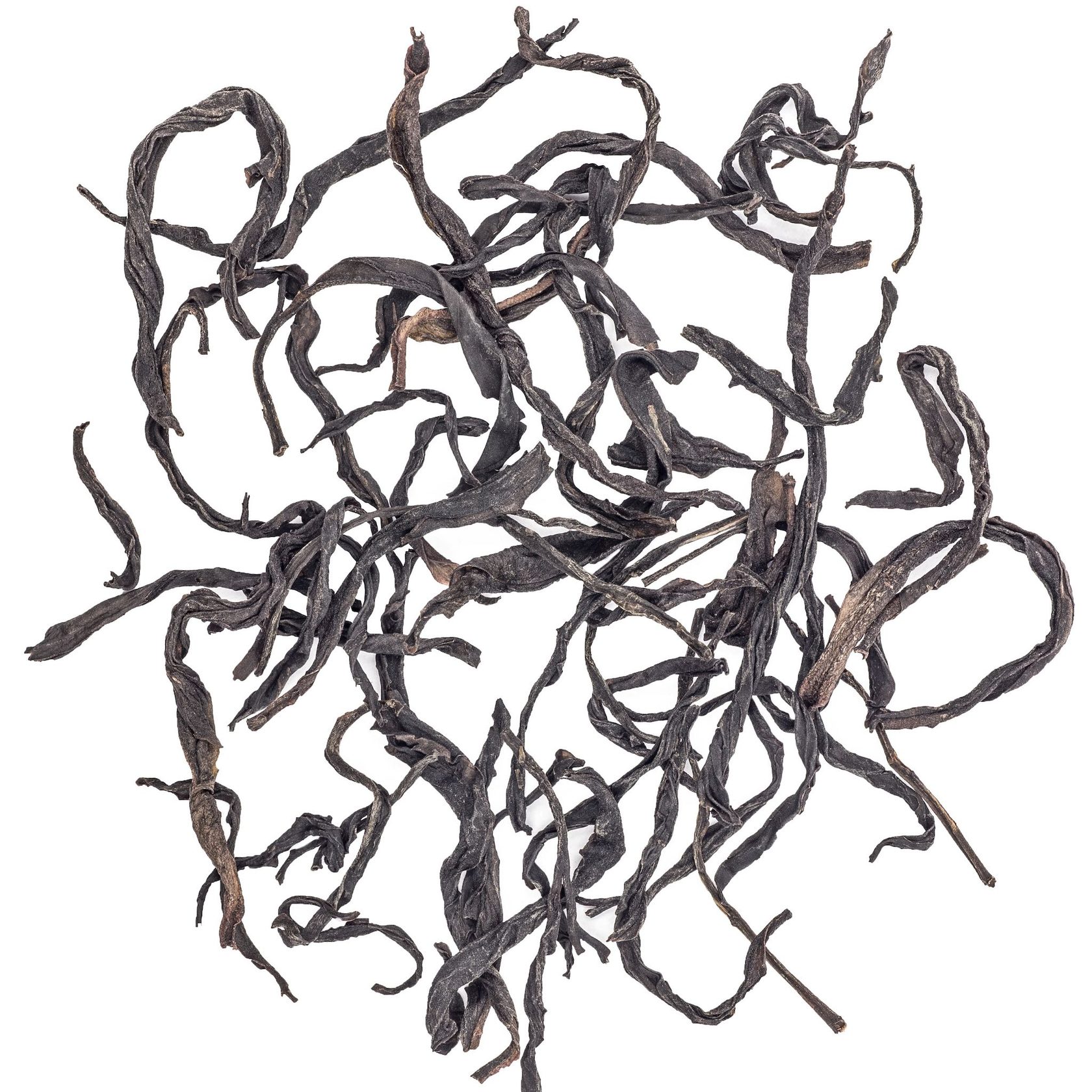
Dan Cong Song Zhong
dāncóng sòngzhǒng
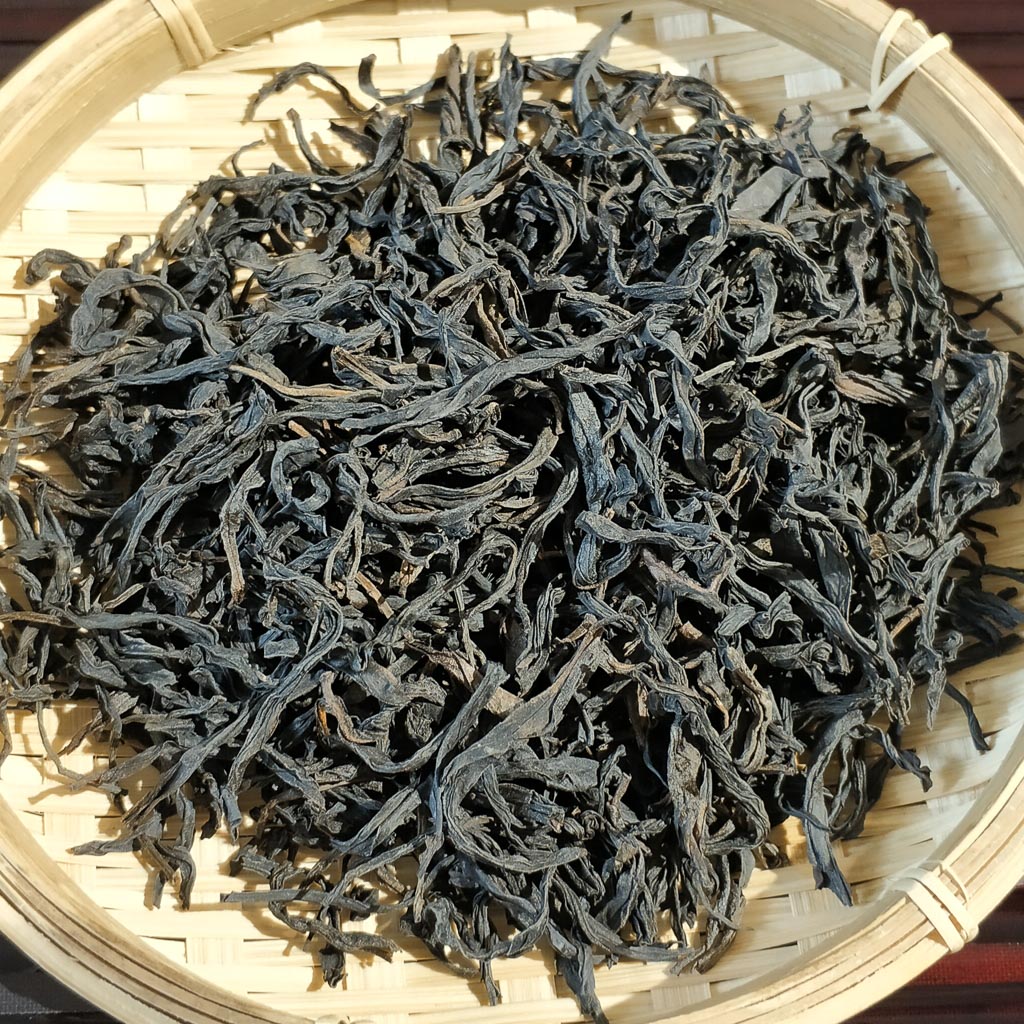
Dan Cong Xing Ren Xiang
dāncóng xìngrén xiāng
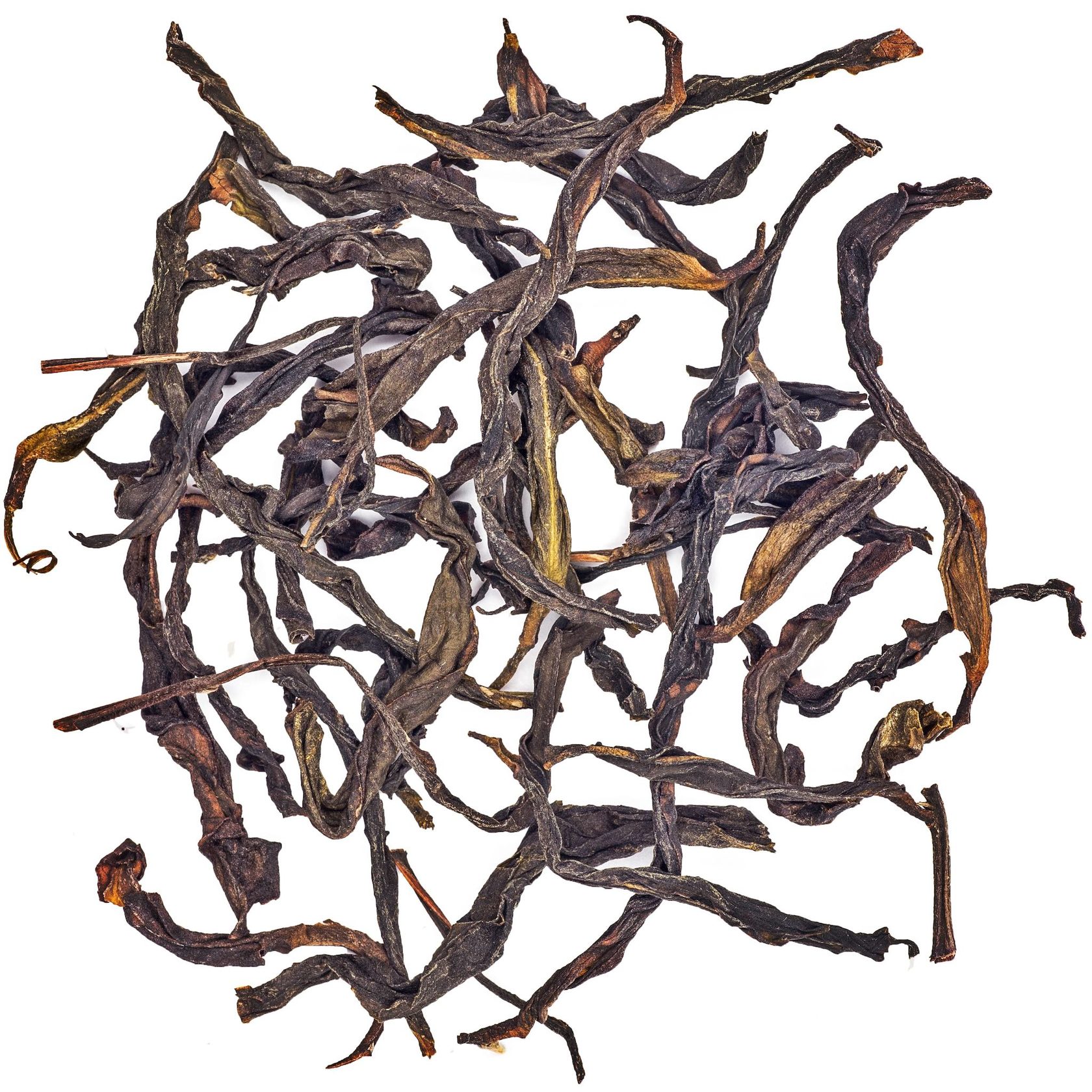
Dan Cong Ya Shi Xiang
dāncóng yāshǐ xiāng
Datian Mei Ren Cha
dàtián měirén chá
Dong Ding Oolong
dòngdǐng wūlóng
Dong Fang Mei Ren
dōngfāng měirén
Fo Shou
fó shǒu
Gui Hua Xiang Dancong
guìhuā xiāng dāncóng
Huang Jin Gui
huángjīn guì
Lao Cha Wang
lǎo chá wáng
Li Shan Wulong
líshān wūlóng
Maoxie
máoxiè chá
Milan Xiang Dancong
mìlánxiāng dāncōng
Nai Xiang Wulong
nǎixiāng wūlóng
Qi Lan
qí lán
Renshen Wulong
rénshēn wūlóng
Rou Gui
ròuguì
Shui Jin Gui
shuǐjīnguī
Shui Xian
shuǐxiān
Si Ji Chun
sìjìchūn
Tie Luo Han
tiě luóhàn
Tieguanyin
tiěguānyīn