White tea · Fujian
Bai Mudan
白牡丹
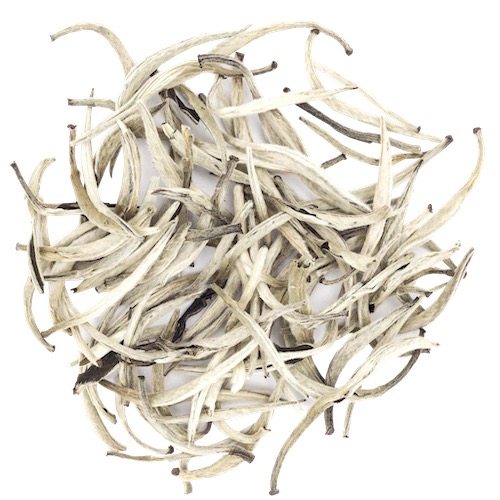
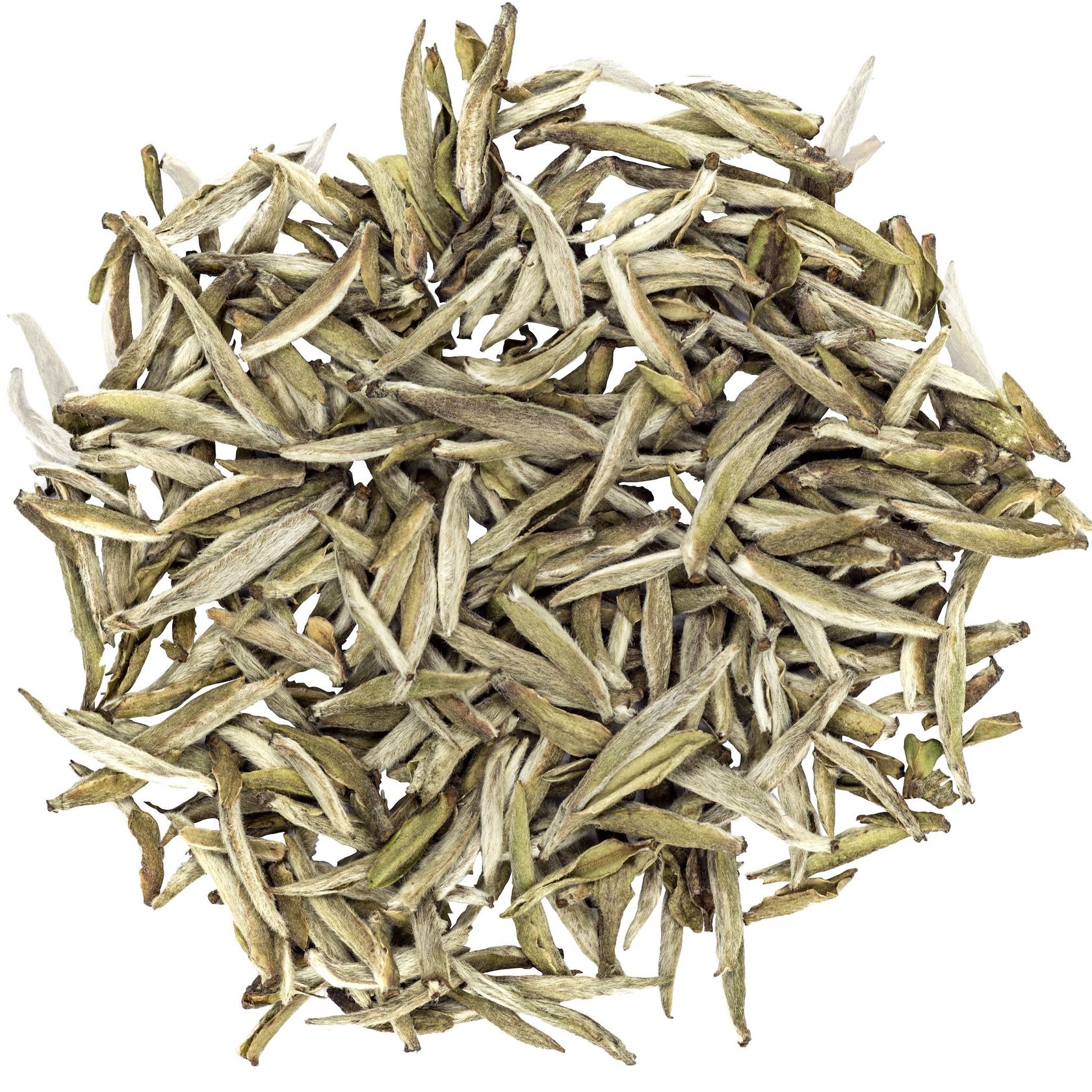
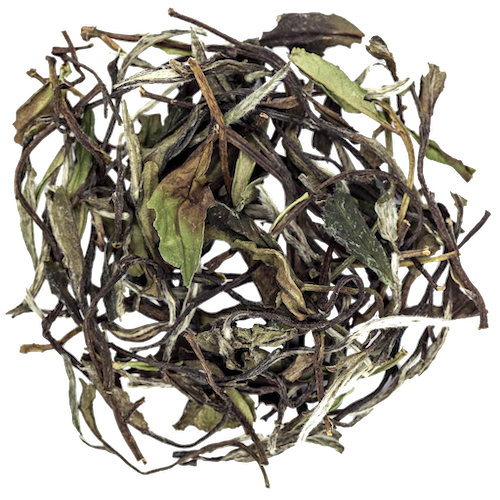
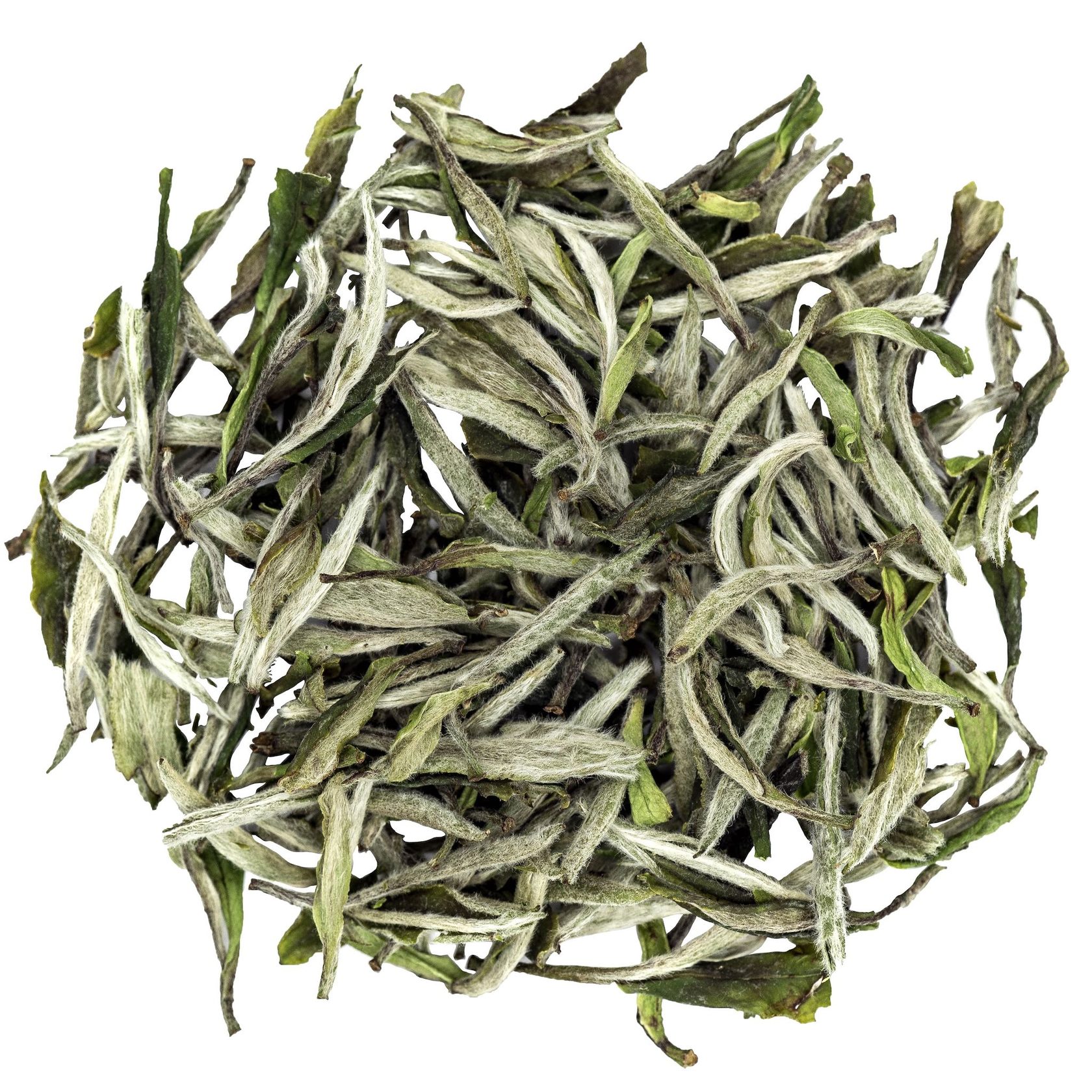
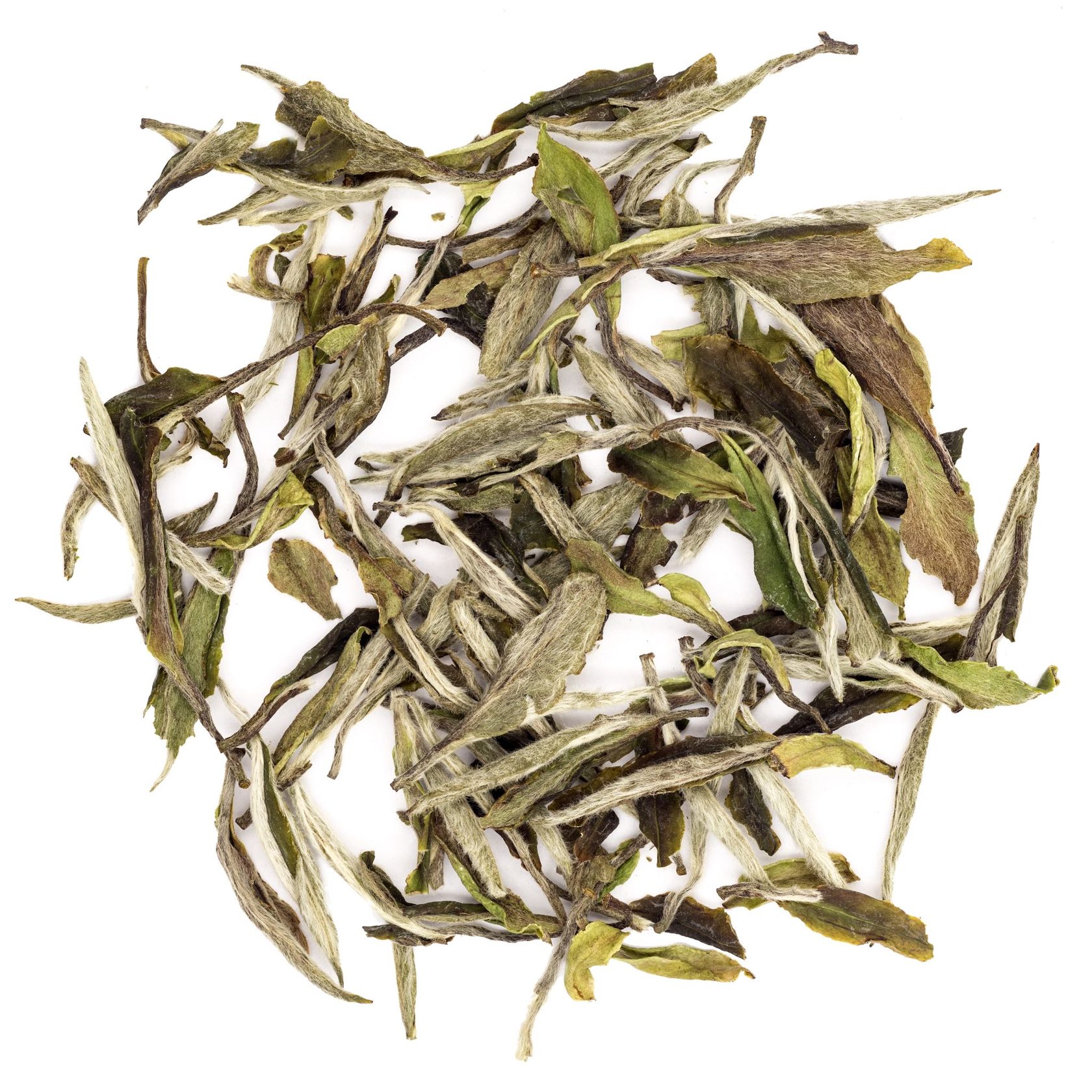
“White peony” — the white tea of bud and leaf together, a step fuller than silver needle. Silvery tips set against open green leaves, brewing a soft, fuller cup of honey, hay and a gentle floral lift.
- Region
- Fuding and Zhenghe, Fujian — 600 m and up
- Harvest
- Early spring — bud with one or two leaves
- Oxidation
- Barely oxidised (5–10%)
- Cultivar
- Da Bai (big white) bushes
In the cup
Honey, hay and a soft floral note over a fuller body than silver needle — sweet, mellow and round, with a clean finish.
What it gives
A gentle, low-caffeine white — minimally handled leaf rich in antioxidants, cooling in the Chinese sense, and easy on the stomach.
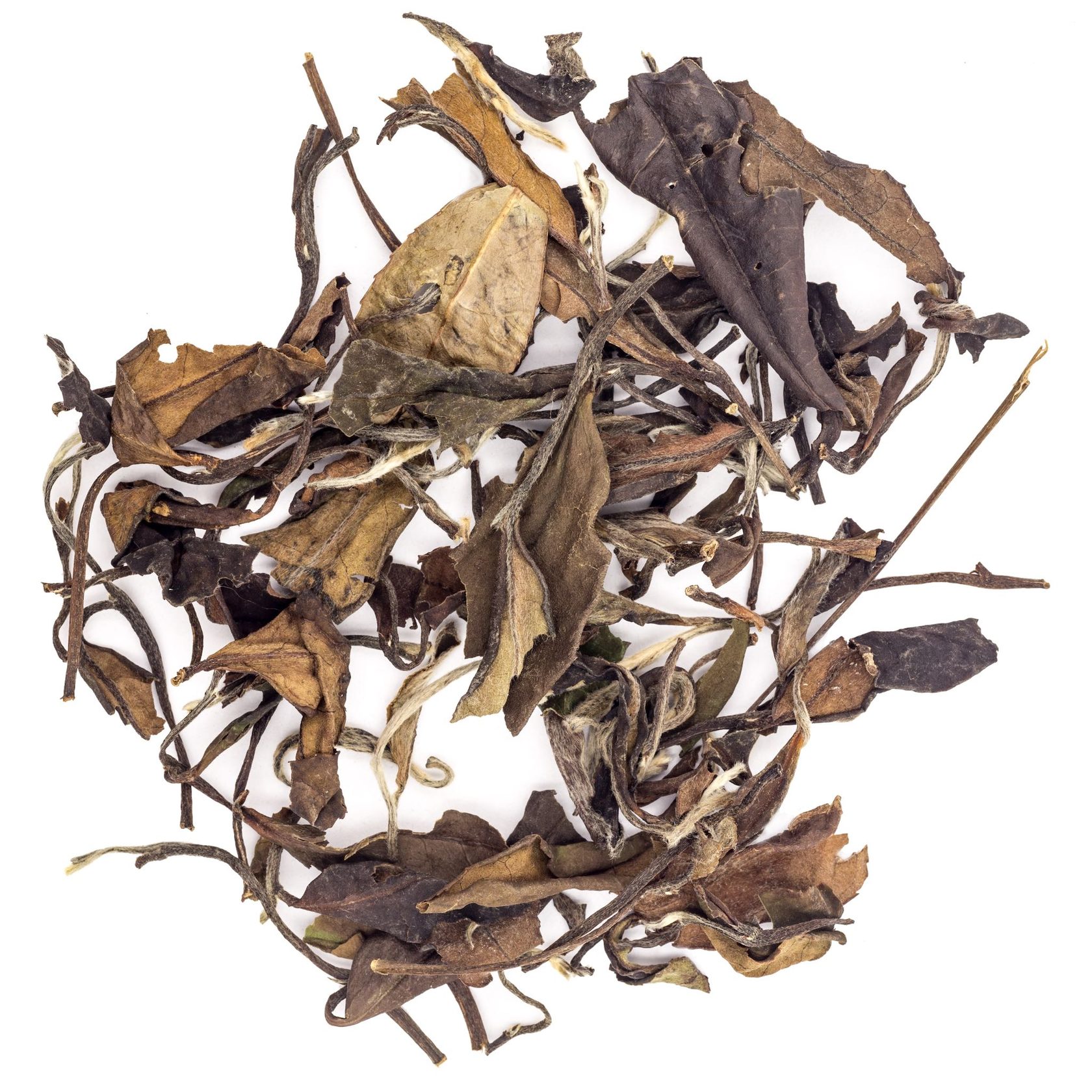
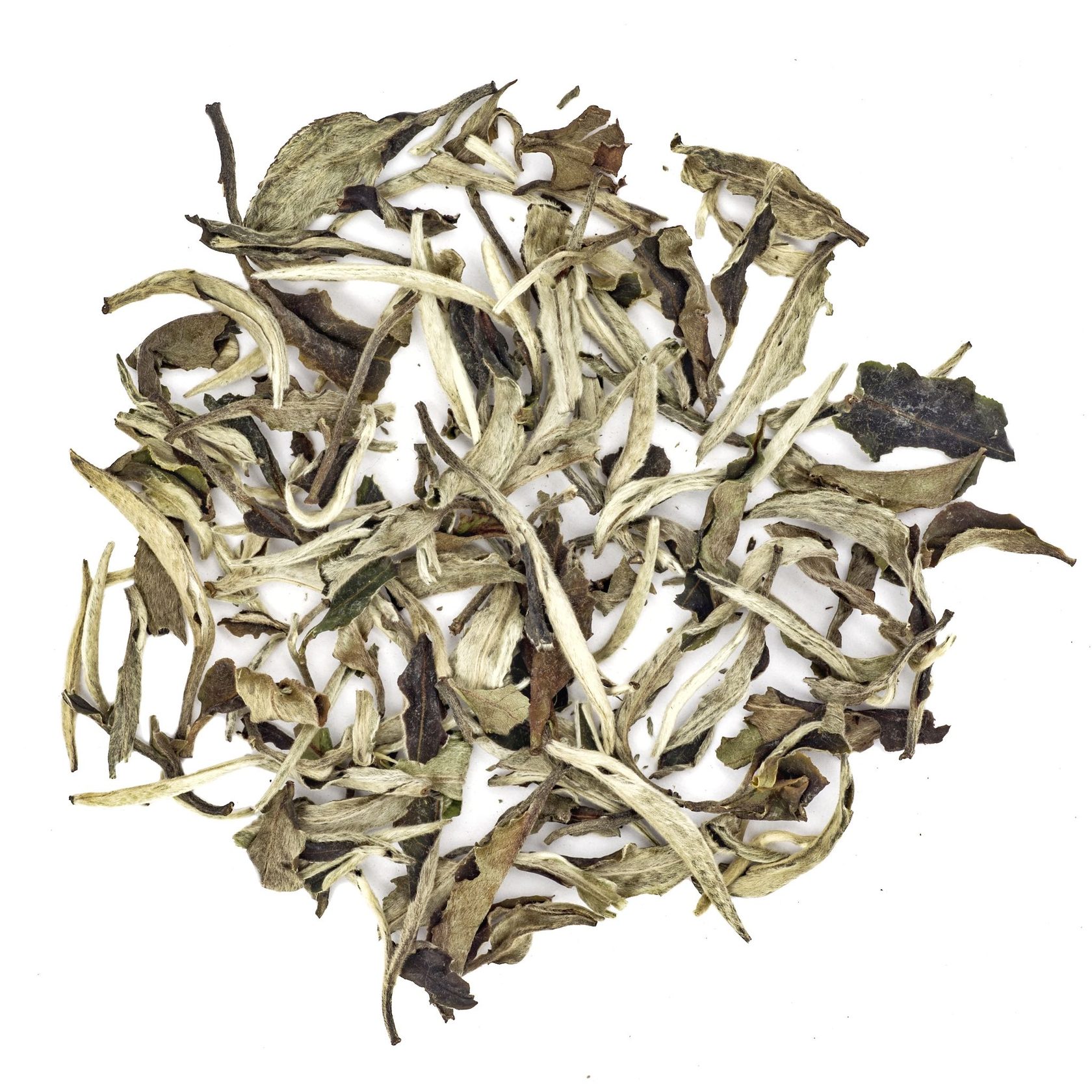
Bai Mudan — white peony — is the white tea that sits one step below silver needle and, for many drinkers, one step above it in pleasure. Where Baihao Yinzhen is bud alone, Bai Mudan keeps the bud with one or two leaves, so the dry tea is a play of silver tips against curling green and brown leaves — said to look like a peony in bloom.
It comes from the same Da Bai bushes of Fuding and Zhenghe in Fujian, and is made the white way: simply withered and dried, with no fixing or rolling. That extra leaf gives a fuller, rounder cup than silver needle — more body, more honeyed sweetness, a clearer floral note — while keeping the soft, low-edge character of the class.
In the cup
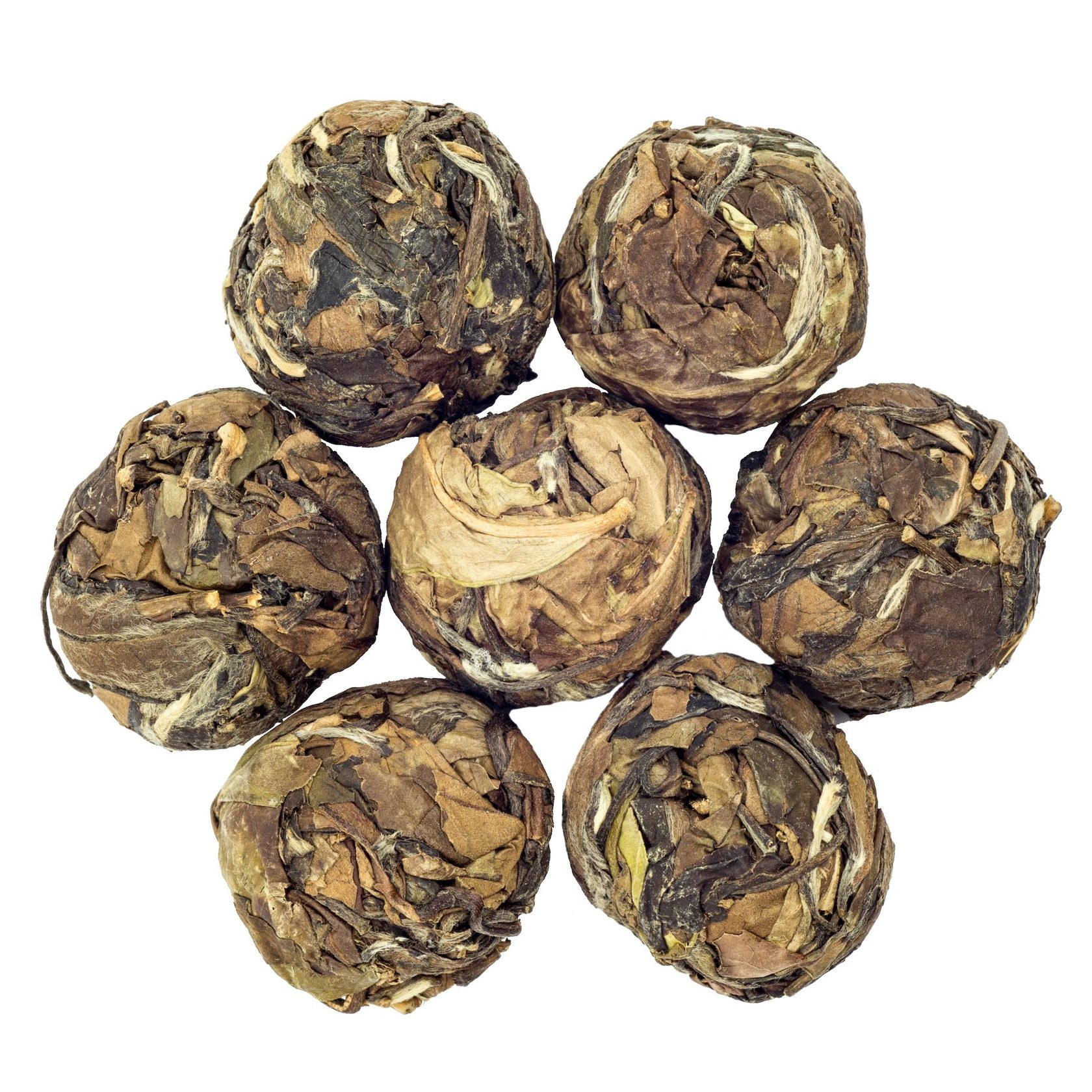
Brew it a touch hotter than silver needle, around 85–90 °C, and give the leaf time; whole leaves need patience to give their sweetness. The liquor is pale gold, the flavour honey, hay and a gentle flower. And like all good white tea it keeps: pressed into cakes and stored dry, Bai Mudan deepens over years toward dried fruit, dates and a quiet warmth.
How to brew
Bai Mudan
Water
85–90 °C
Leaf
5 g per 100 ml
Steep
2–4 min, or short gongfu
Vessel
Glass or gaiwan