home / teas / Pu-erh tea
Pu-erh · Yunnan
Sheng Pu-erh
生普洱
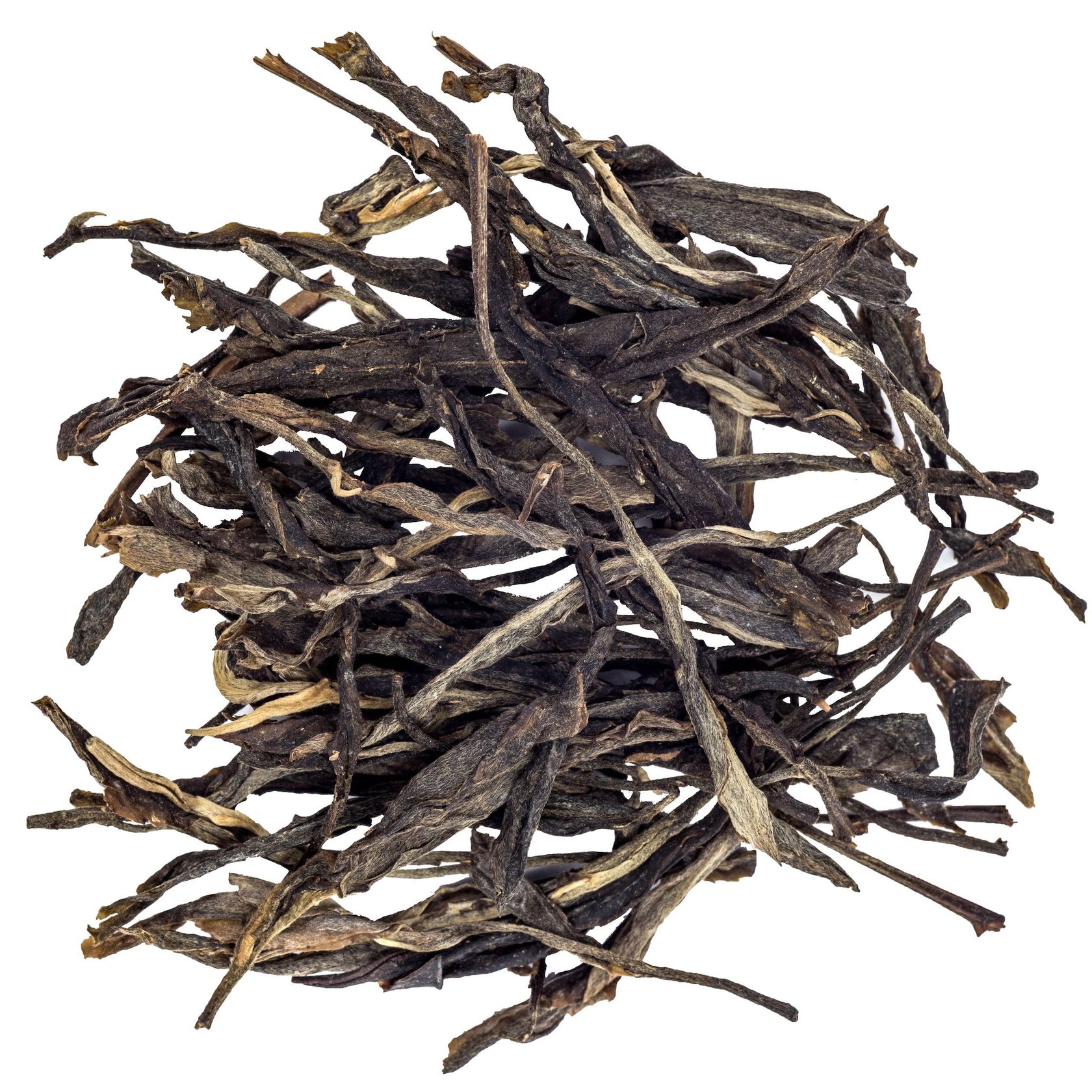
Raw pu-erh — Yunnan broad-leaf tea pressed into cakes and left to age slowly over years and decades. Young, it is bright, floral and bitter-sweet; with age it deepens into honey, dried fruit and a deep mellow calm.
- Region
- Yunnan — pressed and aged, 800 m and up
- Harvest
- Leaf picked spring; pressed and aged for years
- Oxidation
- Slow post-fermented (raw, naturally aged)
- Cultivar
- Yunnan broad-leaf (assamica)
In the cup
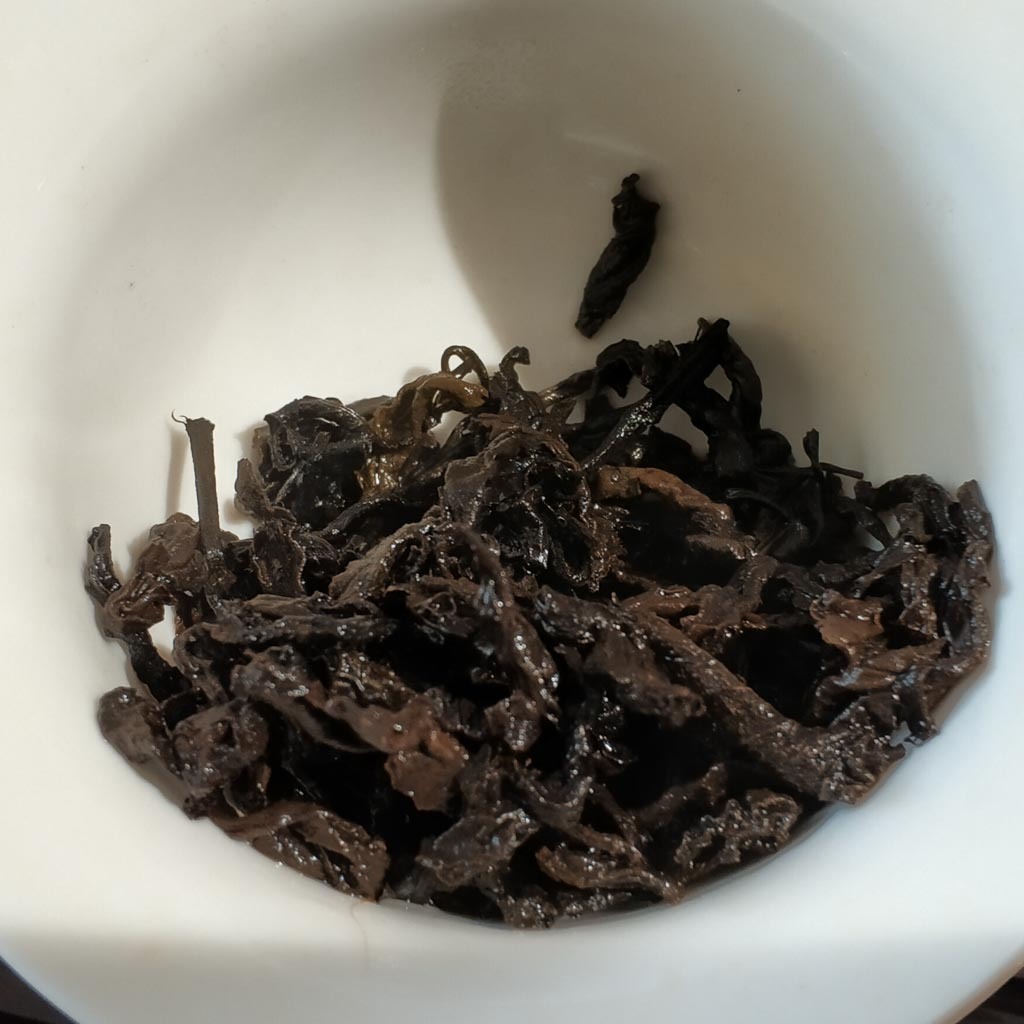
Young — floral, bitter-sweet, with a brisk apricot brightness. Aged — honey, dried fruit, camphor and a deep, smooth mellowness.
What it gives
A bracing, energising tea when young, mellowing with age — strong and aromatic, traditionally drunk for clarity and to settle after food.
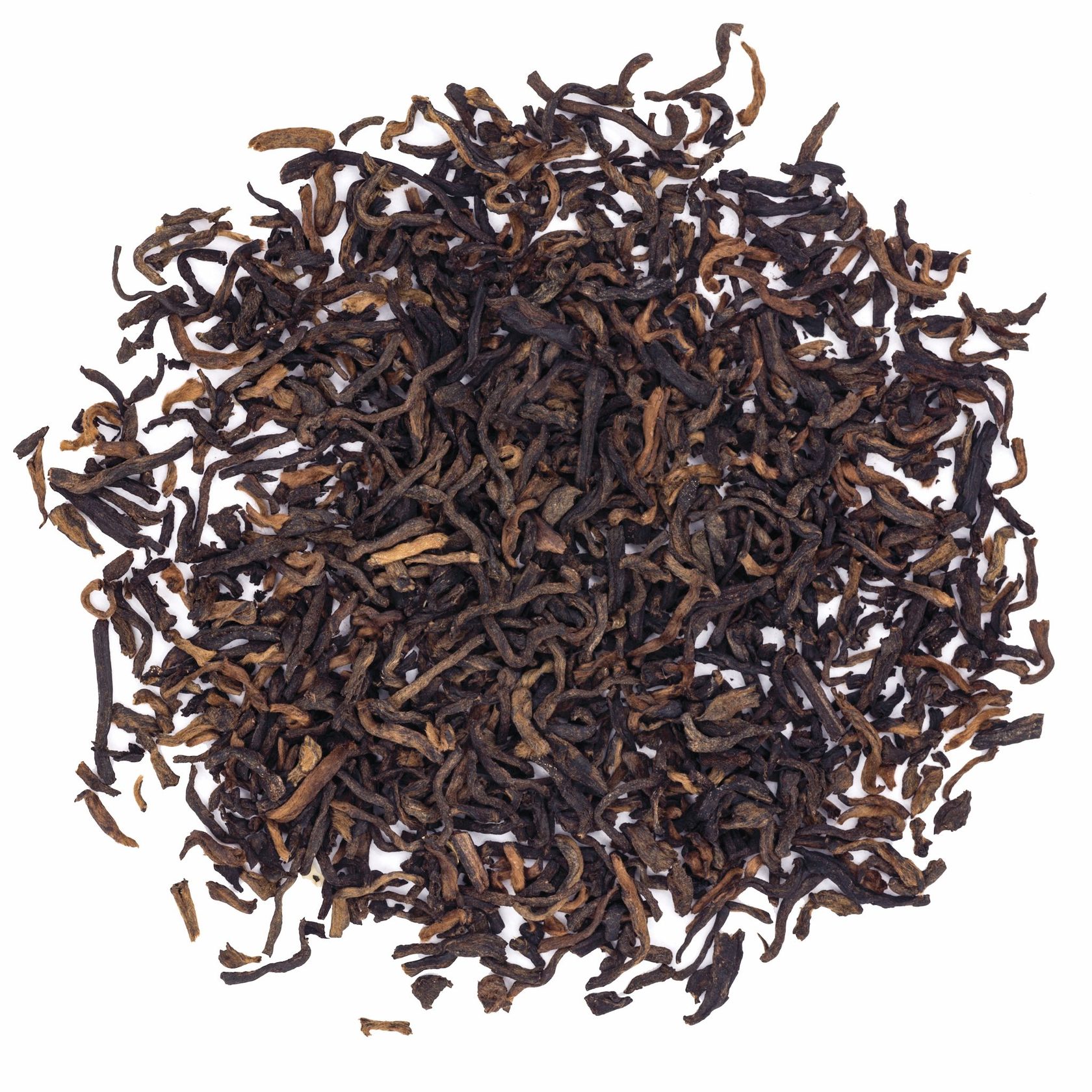
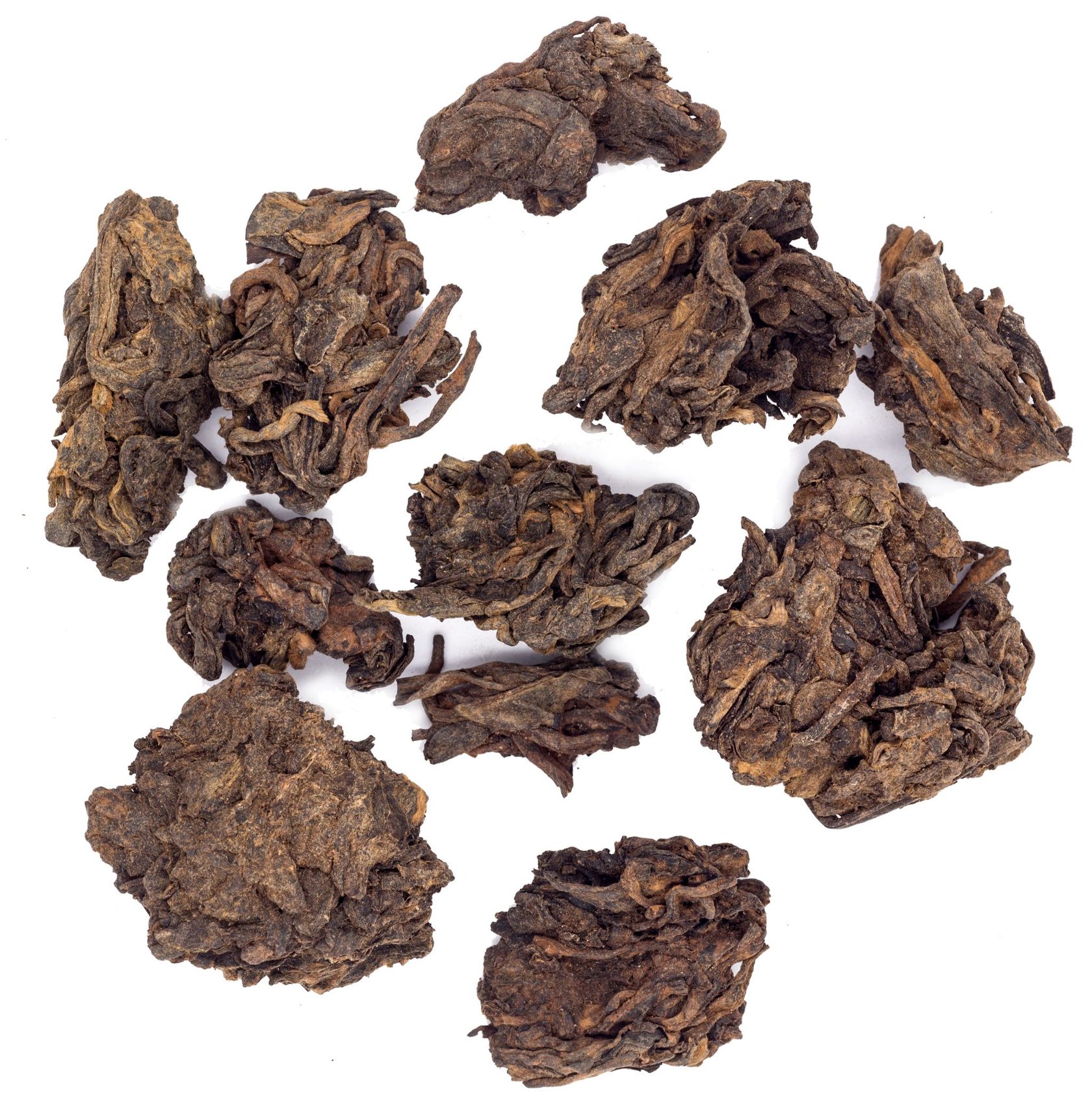
Sheng pu-erh — raw pu-erh — is the original and the slow half of Yunnan’s great aging tea. The broad-leaf assamica leaf is fixed lightly, sun-dried and pressed into cakes, then left to age naturally over years and decades, fermenting slowly with the help of time, air and a little humidity. Where ripe shóu pu-erh is rushed to maturity in piles, raw pu-erh takes the long road, and its drinkers take the long view.
Young sheng is a different tea from old sheng. Fresh from the press it is bright, floral and frankly bitter-sweet, with a brisk apricot edge and a strong, clear energy. Given years in cool, dry storage it softens and deepens — the bitterness recedes, and honey, dried fruit and a cool camphor note come forward, the whole cup turning smooth and mellow. The famous old vintages are sheng that has aged for decades.
In the cup
Rinse the leaf first, then brew short and hot — a little cooler, around 90–95 °C, for delicate young cakes, full boiling for aged ones. The liquor runs gold to deep amber with age. Brewed gongfu it gives a long, evolving run of steeps, and a good cake will reward patience in the cup as it rewards patience in the cupboard.
How to brew
Sheng Pu-erh
Water
90–95 °C young, 100 °C aged
Leaf
7 g per 100 ml
Steep
Rinse, then 10–20 s, many steeps
Vessel
Gaiwan or clay pot
More from this class