Dark tea · Sichuan
Sichuan Bian Cha
四川边茶
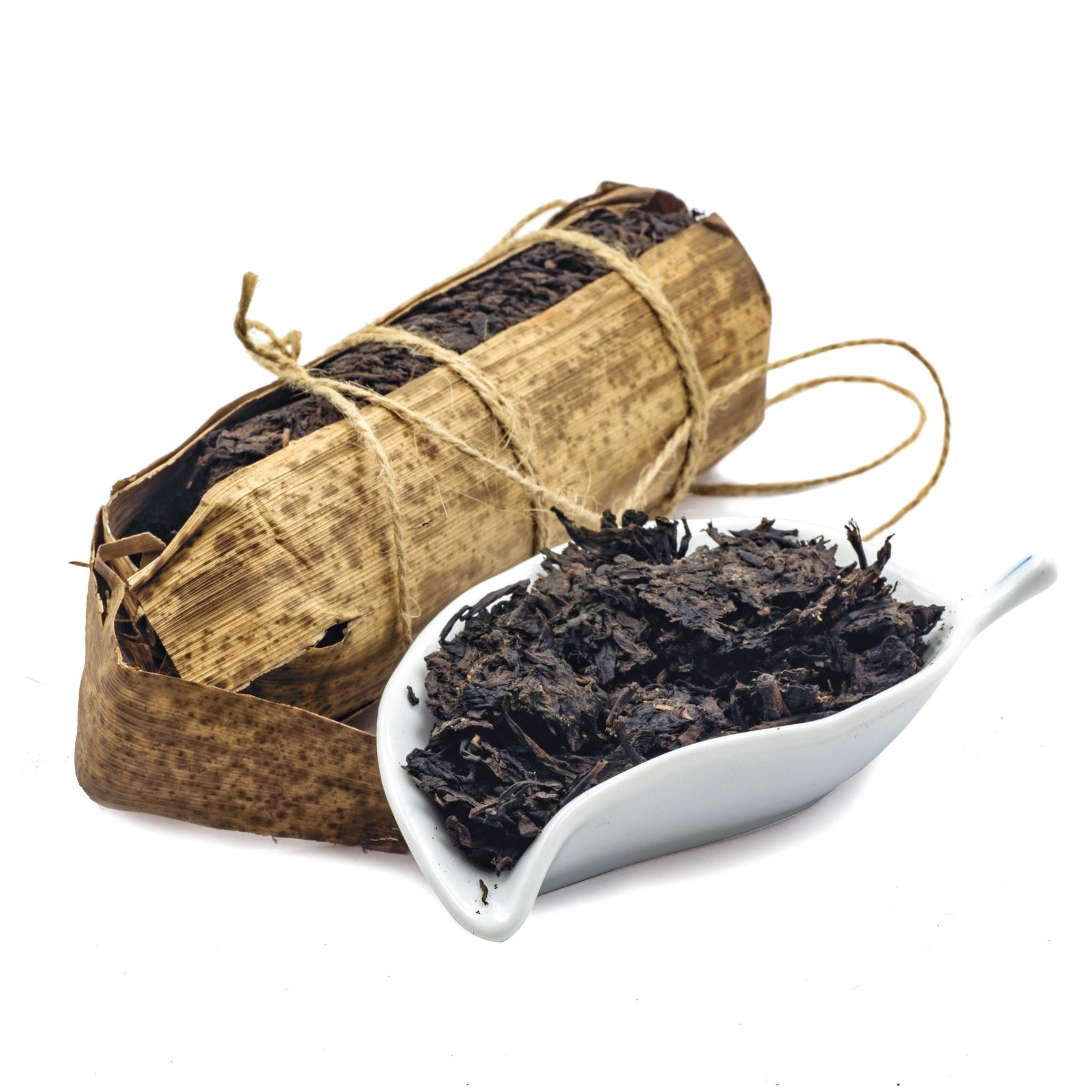
“Sichuan border tea” — the great dark tea of the Tibetan trade, pressed in Ya’an and carried west for a thousand years. Deep, woody and spicy with dried fruit and earth, it is the daily tea of the high plateau, mellowing with age.
- Region
- Ya’an, Ganzi and Aba, Sichuan
- Harvest
- Piled, fermented and pressed into brick
- Oxidation
- Post-fermented and aged
- Cultivar
- Sichuan broad-leaf bushes
In the cup
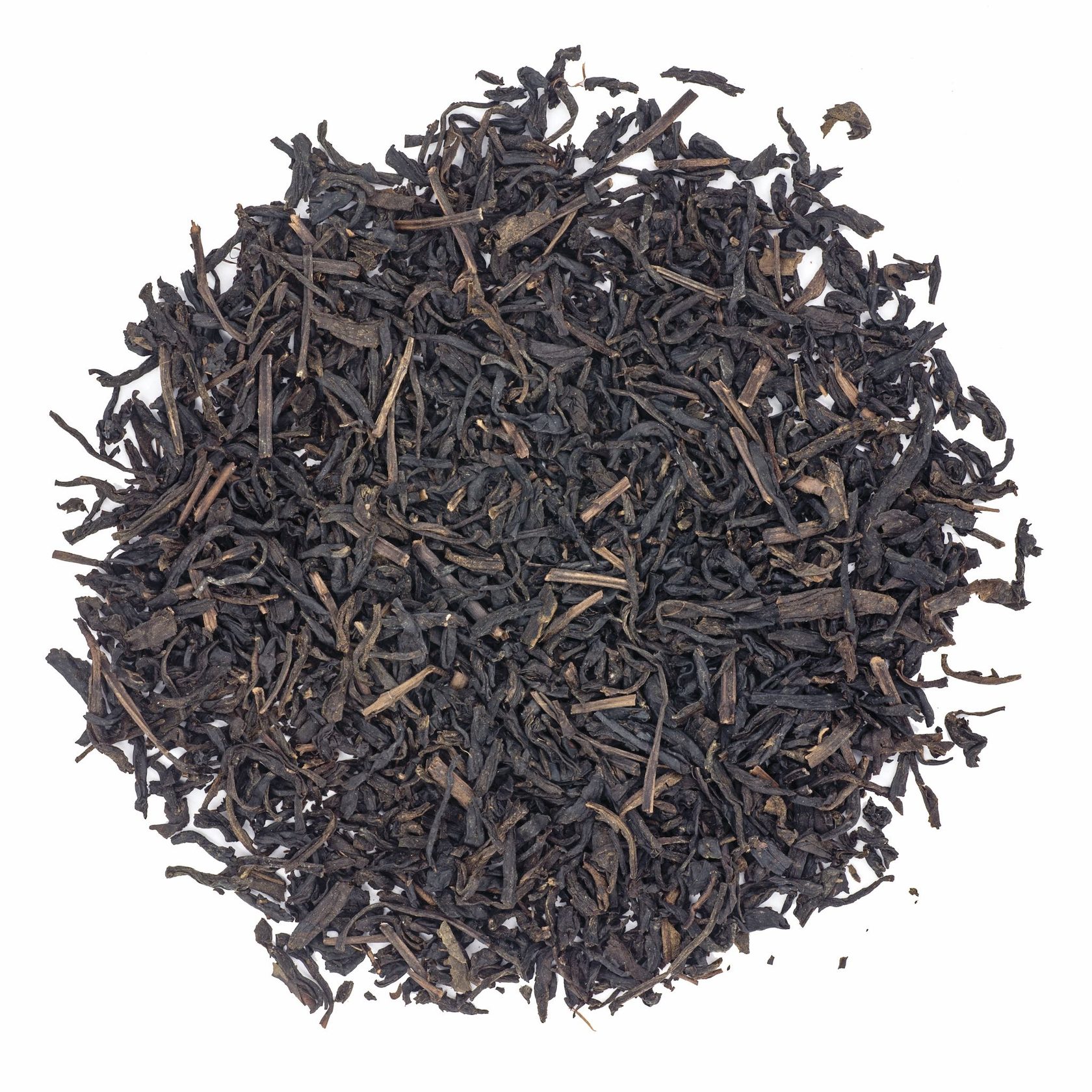
Wood, spice and earth over dried fruit and prune — full, dense and faintly sweet, the astringency softening and turning toward compote with age.
What it gives
A warming, digestive dark tea — for centuries brewed strong with milk on the plateau to cut through fat and dairy, settling and grounding.
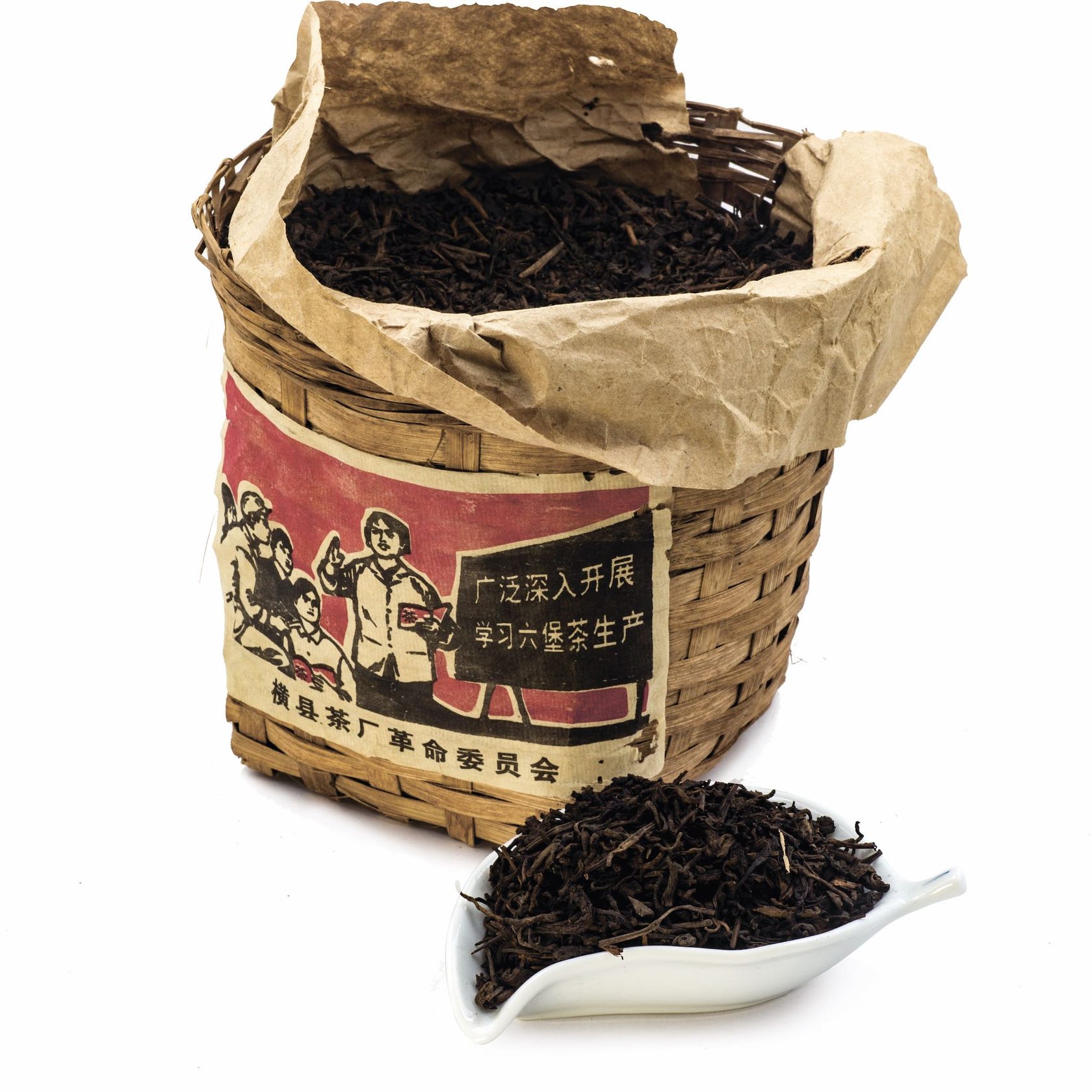
Sichuan Bian Cha — Sichuan border tea — is one of the oldest of the hēichá family, a dark tea made above all for the trade with Tibet and the high border lands. It is pressed in Ya’an and the prefectures of Ganzi and Aba and carried west, as it has been for more than a thousand years along the tea-horse roads; on the plateau it is not a luxury but a necessity, brewed strong with yak butter, milk and salt as a daily staple.
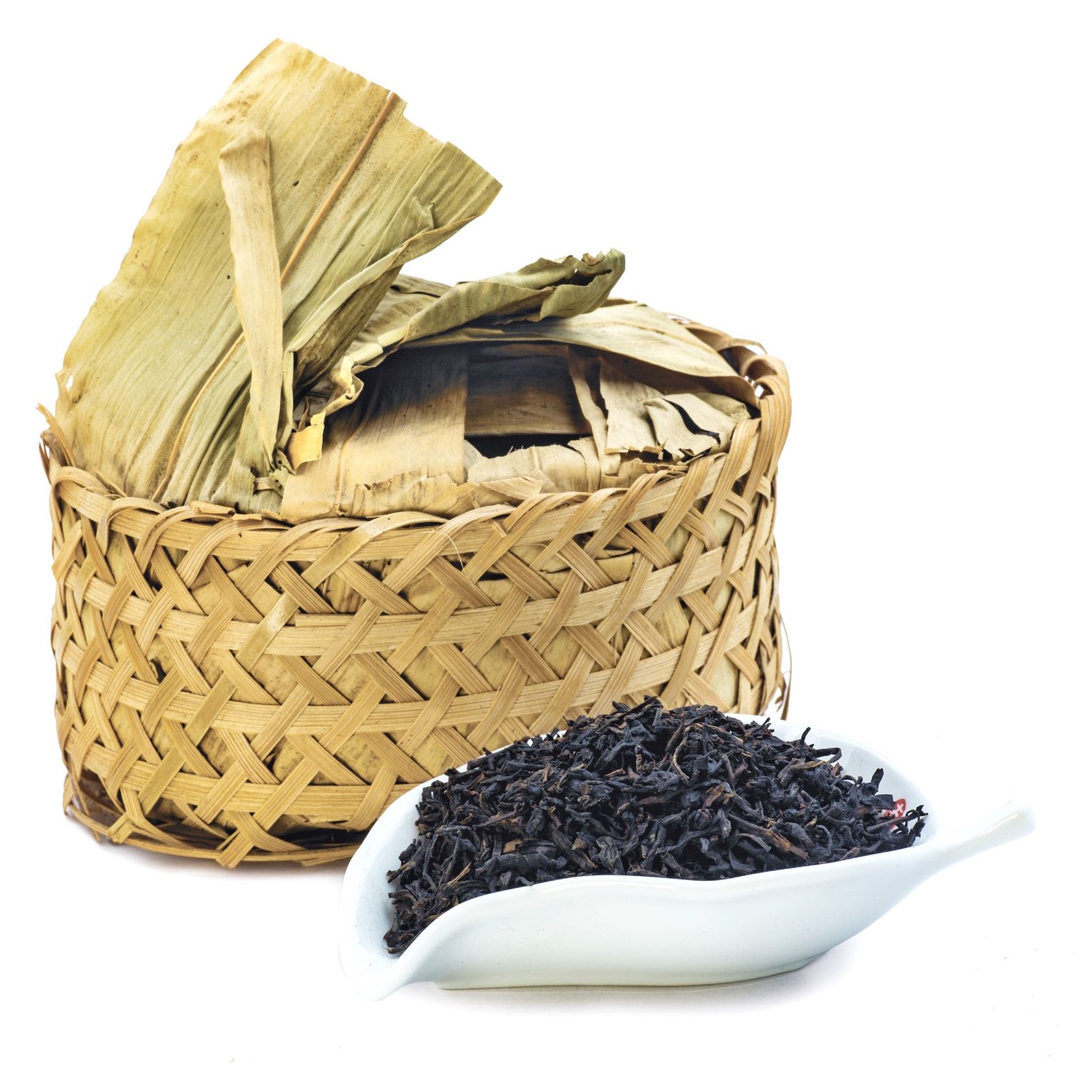
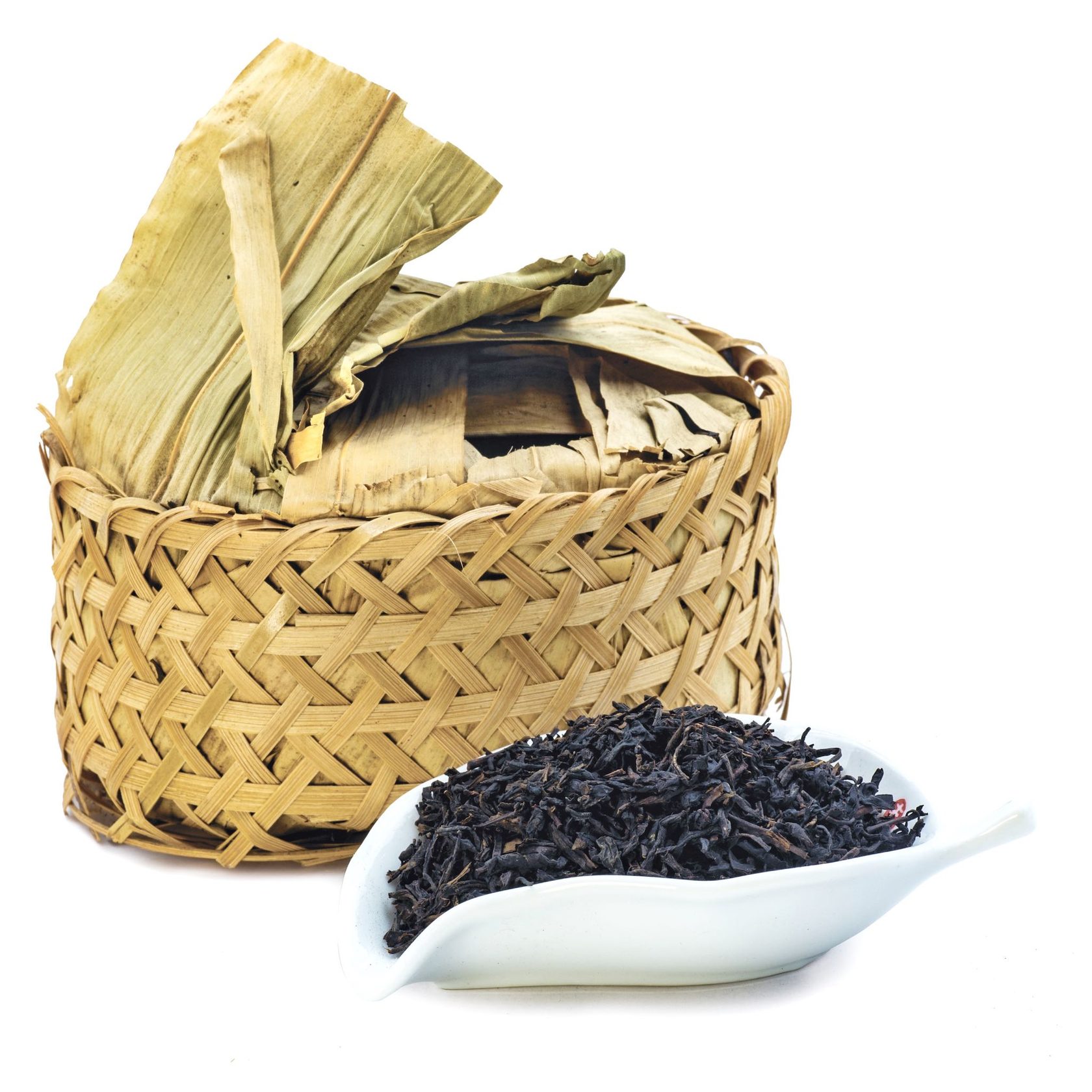
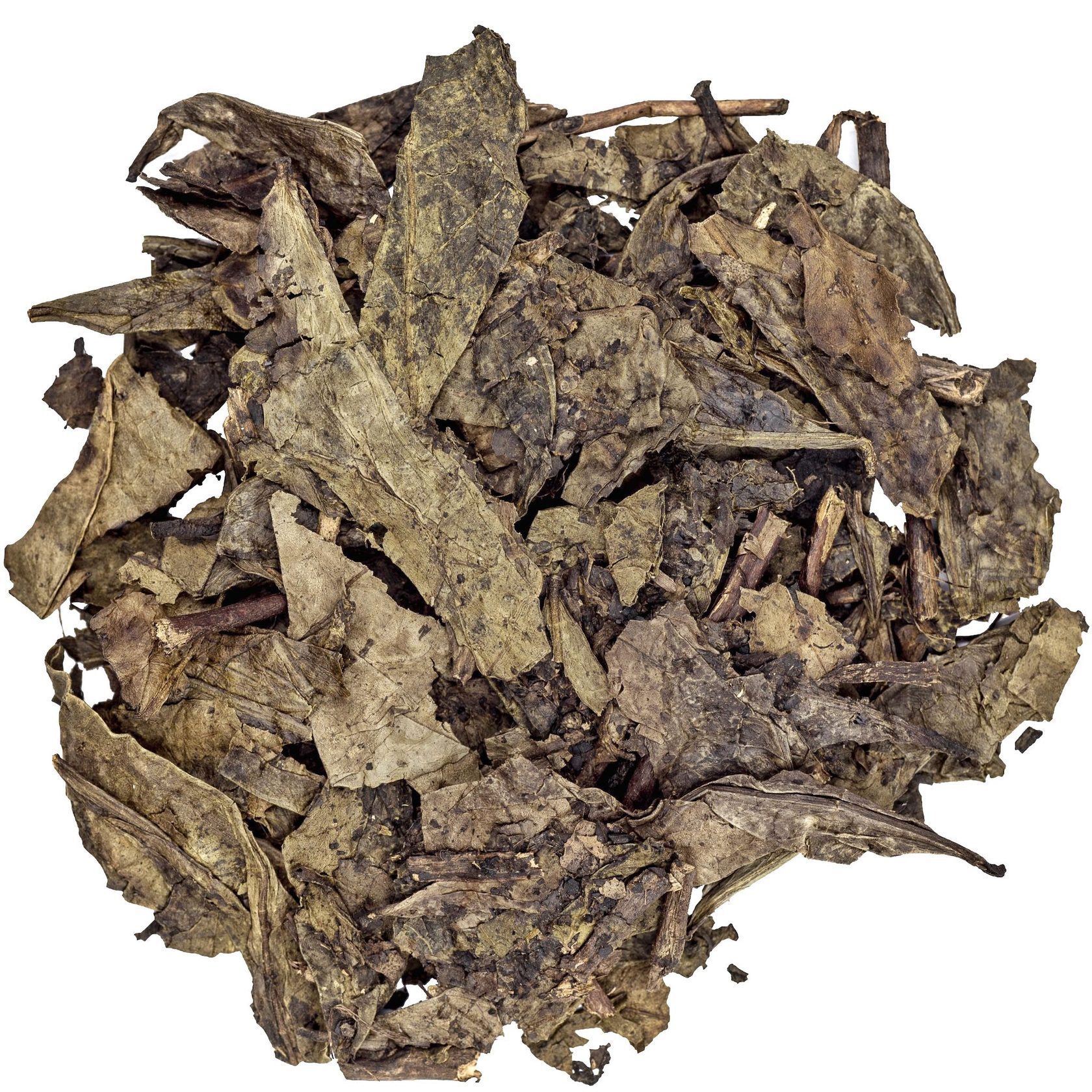
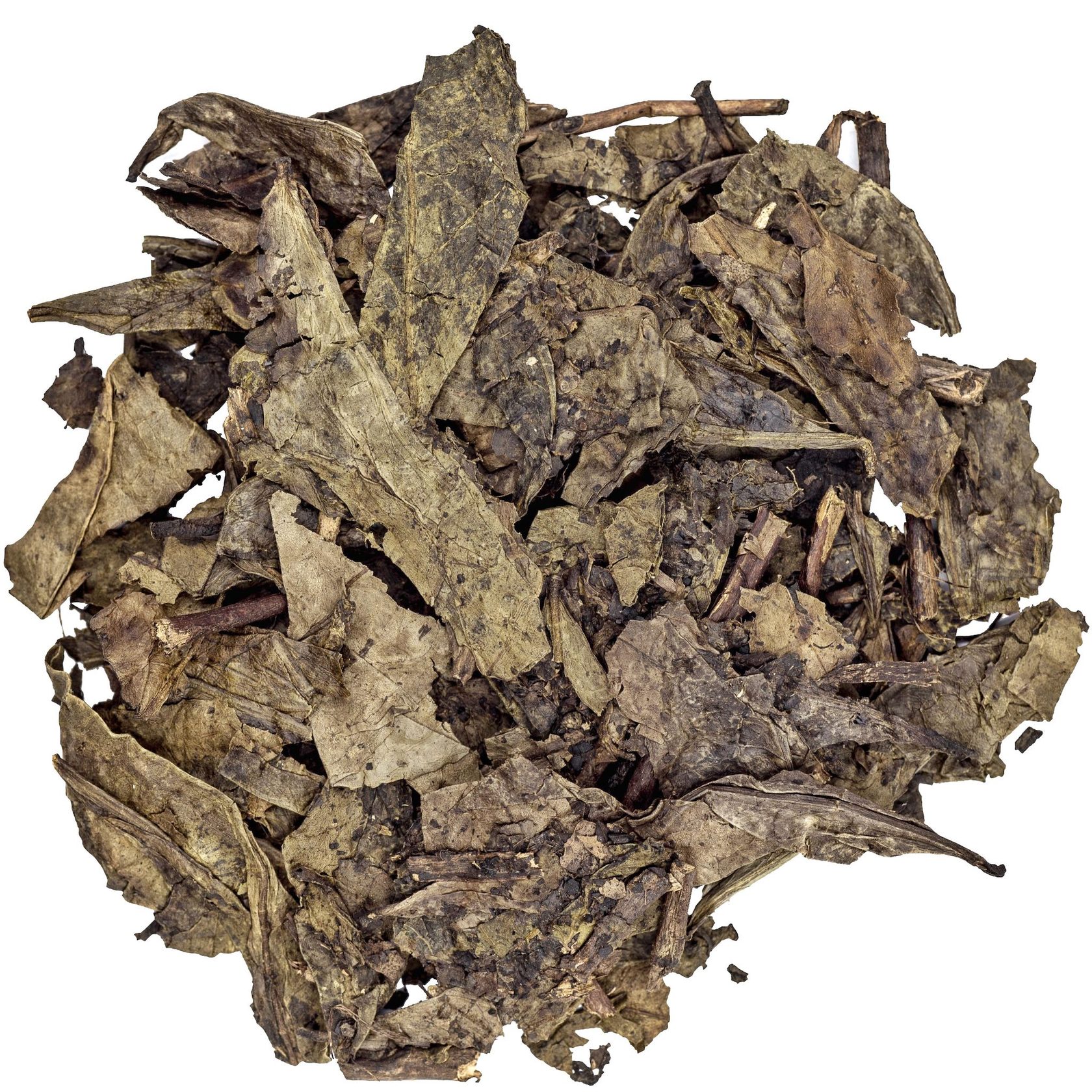
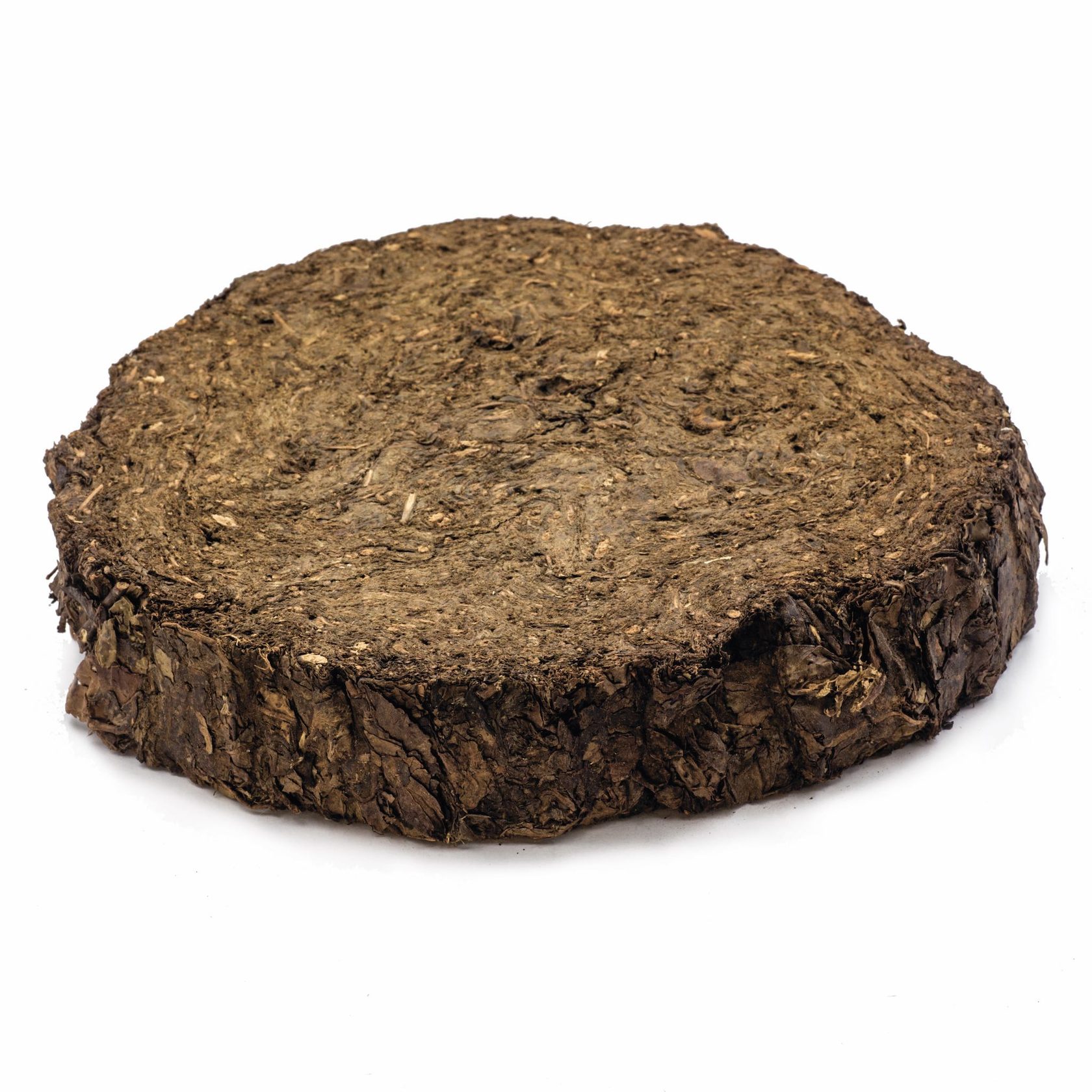
It is a true post-fermented tea — the leaf piled warm and damp to ferment, then pressed, usually into brick, the famous Kang Zhuan, “Kham brick”, among its forms. The cup is full, dense and faintly sweet, wood and spice and earth over dried fruit and prune. With age the astringency softens and a sweeter, compote-like note comes forward. The old tradition behind it is being revived as the tea finds new drinkers beyond the border.
In the cup
Rinse it first, then brew near boiling and short for many steeps, or simmer it for a thick, dark cup. The liquor is deep amber to red-brown. Reach for it after a heavy meal, on a cold day, or — in the old plateau manner — brewed long and strong with milk.
How to brew
Sichuan Bian Cha
Water
95 °C — near boiling
Leaf
7 g per 100 ml
Steep
Rinse, then 15–30 s, many steeps; or simmer
Vessel
Clay pot or simmering kettle