The seven classes · 07
Pu-erh tea
pǔ'ěr · 普洱茶
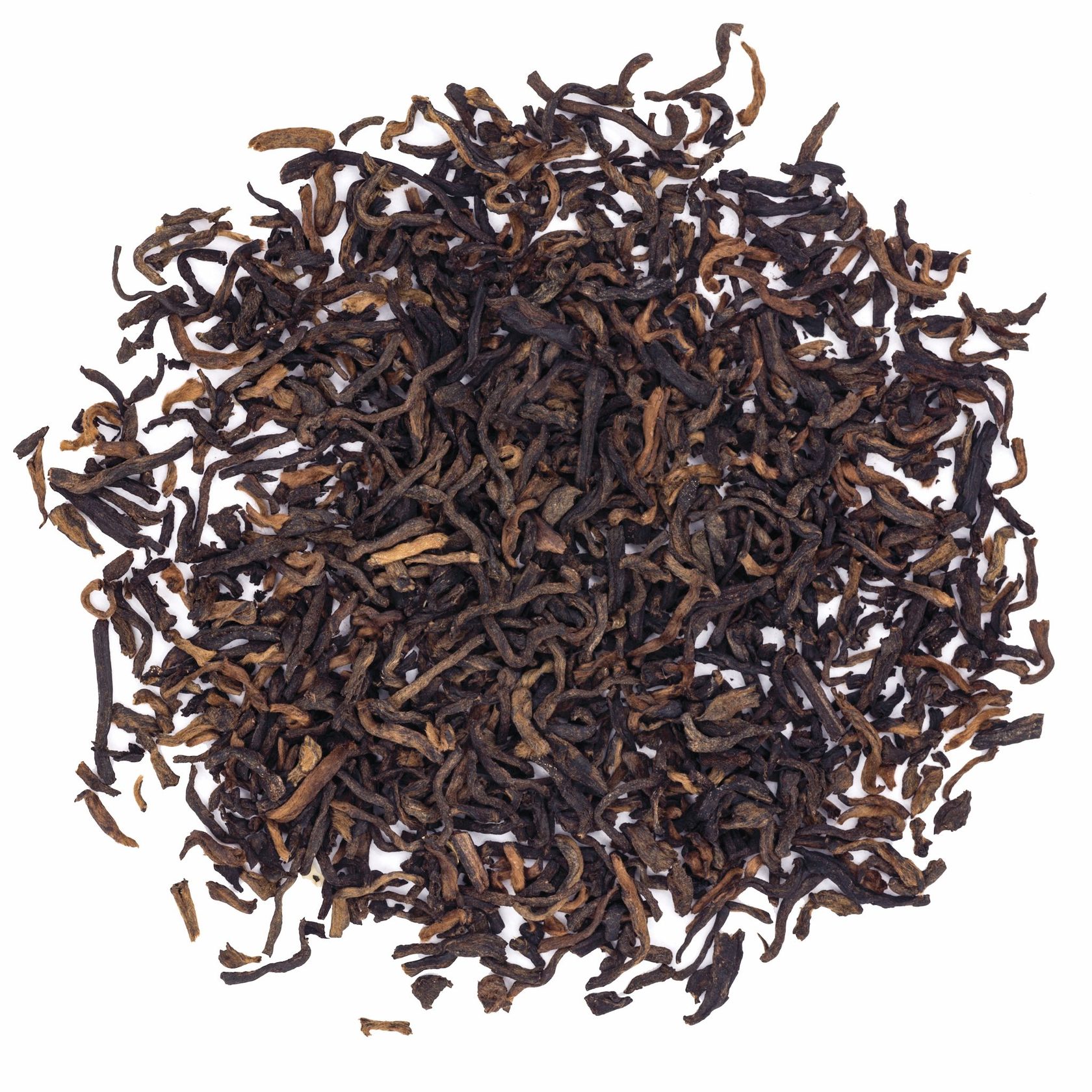
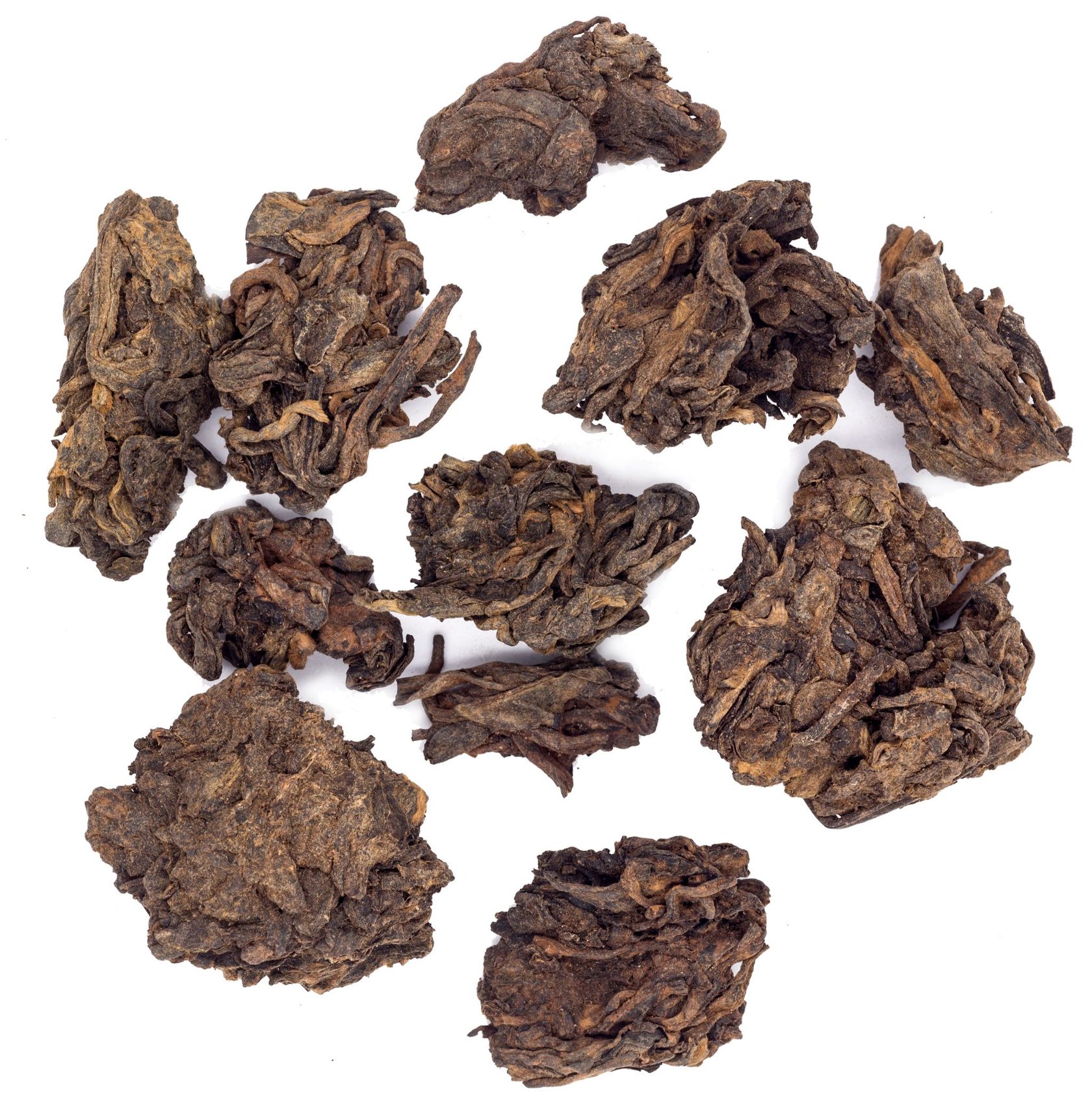
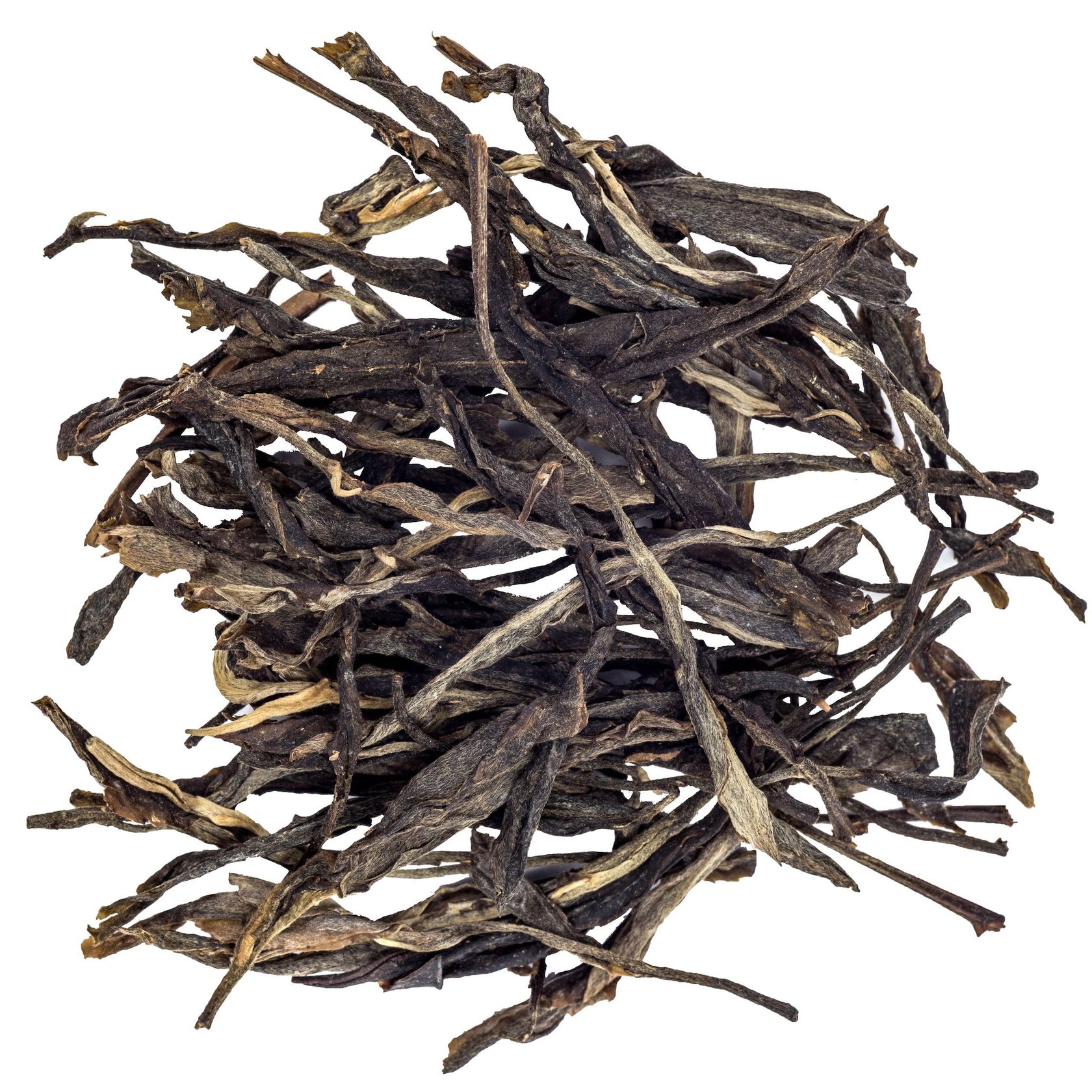
Pu-erh is Yunnan's own dark tea, made from broad-leaf trees and pressed into cakes that live for decades. Raw *shēng* ages slowly in the open; ripe *shóu* is fast-fermented to taste old young. A tea you keep, not just drink.
Oxidation · Post-fermented — raw and aged, or ripened
Pu-erh comes from one province — Yunnan — and from a particular plant: the broad-leaf Camellia sinensis var. assamica, often old trees, sometimes ancient ones. It is named for the market town of Pu’er, where the trade once gathered. What sets it apart is time: pu-erh is built to change.
There are two roads. Raw pu-erh, shēng, is made almost like a green tea and then pressed into cakes that age slowly over years and decades, mellowing from bracing and bitter into something deep, sweet and resonant. Ripe pu-erh, shóu, was invented in the 1970s to shortcut that wait — the leaf is piled, dampened and fermented in weeks, wòduī, arriving dark, smooth and earthy from the start.
Why people keep it
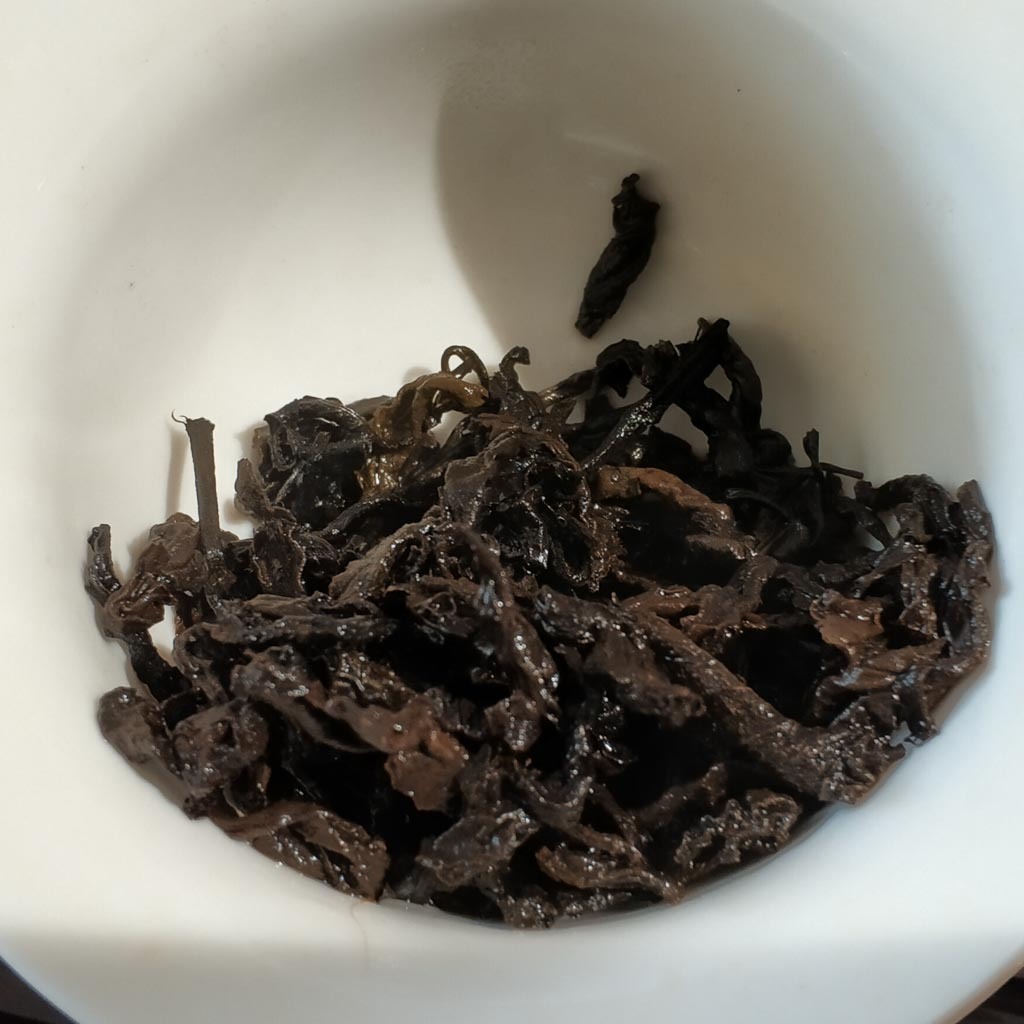
A young raw cake and the same cake at twenty years are different teas. That is the romance and the speculation of pu-erh — terroir by mountain, vintage by year, the cake as something between a drink and a cellar. Rinse it, brew it many times, and let it tell its age.