Green tea · Yunnan
Yunnan Lücha
云南绿茶
The green teas of Yunnan, cradle of the tea tree — made from big-leaf assamica for a thick body, a soft bitterness and a sweet finish. A wide family, from chestnut-roasted to floral, including the sun-dried leaf that becomes pu-erh.
- Region
- Lincang, Pu’er, Xishuangbanna and across Yunnan
- Harvest
- Spring; sun-dried, baked or pan-fired
- Oxidation
- Unoxidised
- Cultivar
- Yunnan big-leaf (var. assamica)
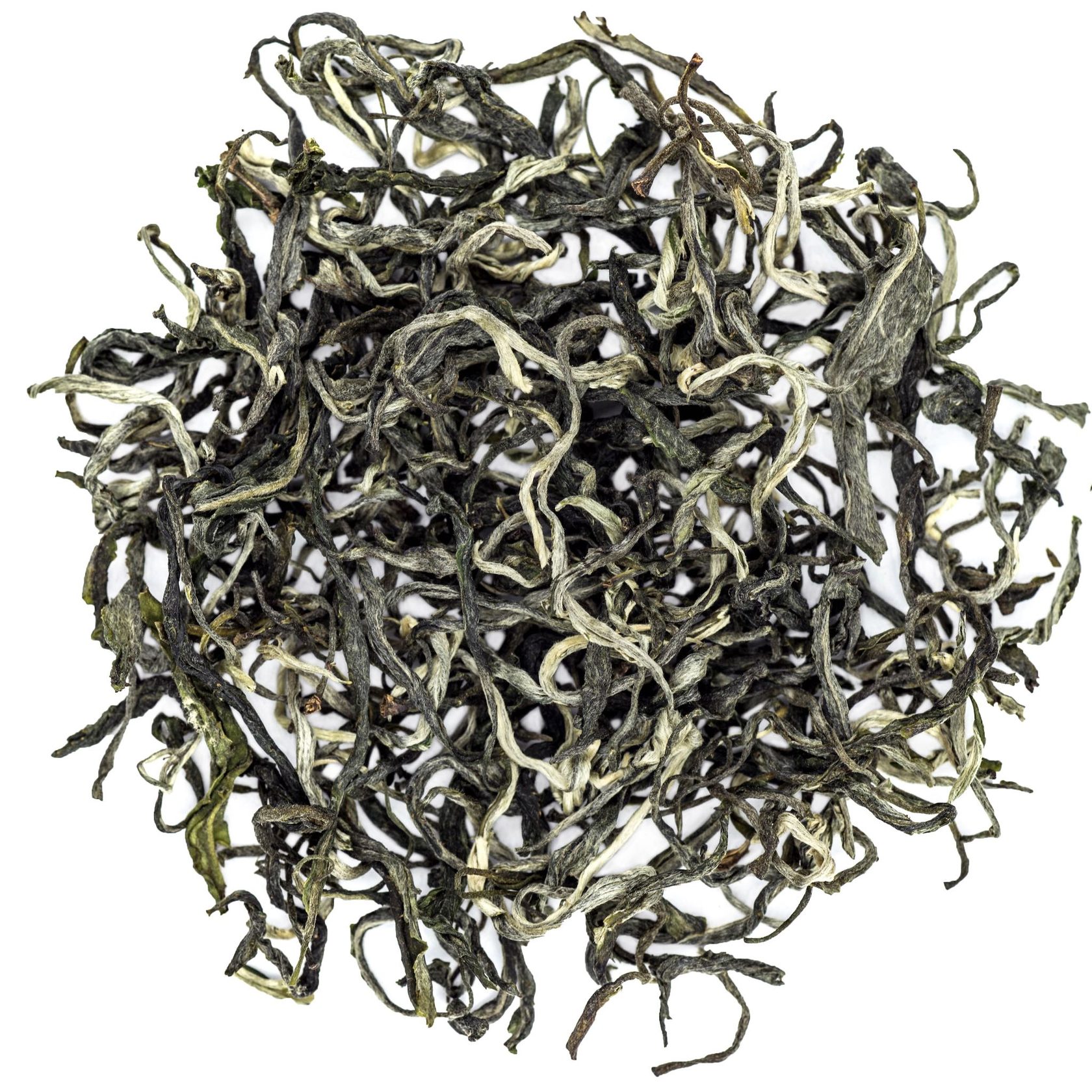
In the cup
Chestnut and roasted nut in the fired styles, clean and floral in others — a full, extractive body with a soft bitterness turning quickly to a sweet returning finish.
What it gives
A bright, refreshing green — strong and full from the big leaf, rich in antioxidants and good through many steeps.
Yunnan Lücha is not a single tea but the green-tea family of Yunnan, the province held to be the genetic cradle of the tea tree. Its mark is the raw material: the big-leaf assamica variety, the same broad, thick leaf used for pu-erh, which gives a denser body, a softer bitterness and a sweeter finish than the small-leaf greens of the east.
The family is wide, sorted by how the leaf is fixed and dried. Chaoqing, pan-fired, leads with chestnut and roasted nut; hongqing, baked, runs clean and floral; shaiqing, sun-dried, carries a grassy, sun-warmed note — and is the very leaf that, pressed and aged, becomes pu-erh. Whichever the style, the cup is full and extractive, with a soft bitterness that turns quickly to a sweet huígān and good staying power across steeps.
In the cup
Brew it cool, around 75 °C — the big leaf gives a strong cup, so keep the steeps short and the sweetness leads. It holds up to many infusions, more than most greens. Drink the fired and baked styles young; the sun-dried leaf clears and softens with a little age.
How to brew
Yunnan Lücha
Water
75 °C
Leaf
5 g per 100 ml
Steep
1–2 min, glass or gaiwan
Vessel
Tall glass or porcelain gaiwan
More from this class
Green tea
Anji Bai Cha
ānjí báichá
Bai Mao Hou
báimáo hóu
Biluochun
bìluóchūn
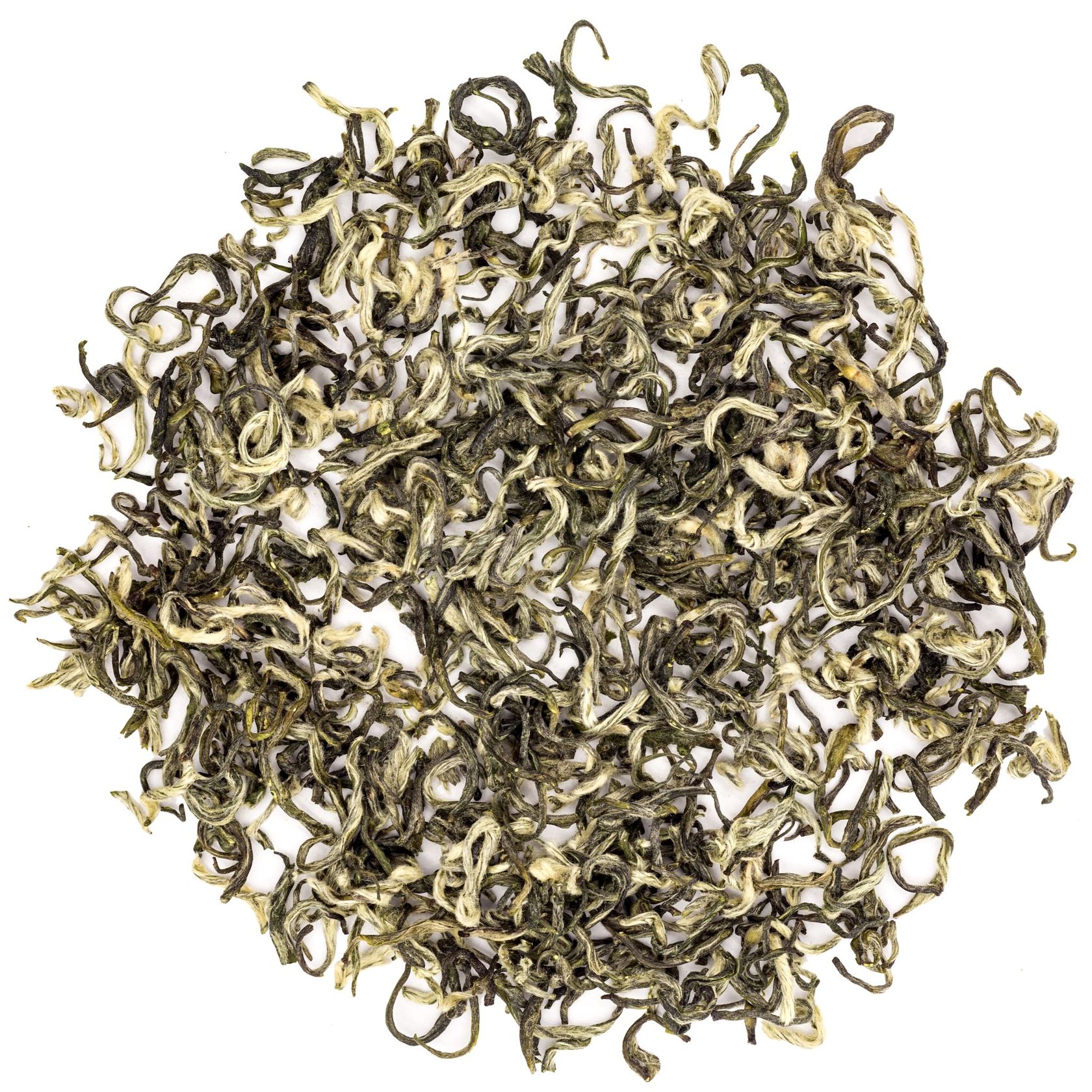
Dong Ting Bi Luo Chun
dòngtíng bìluóchūn
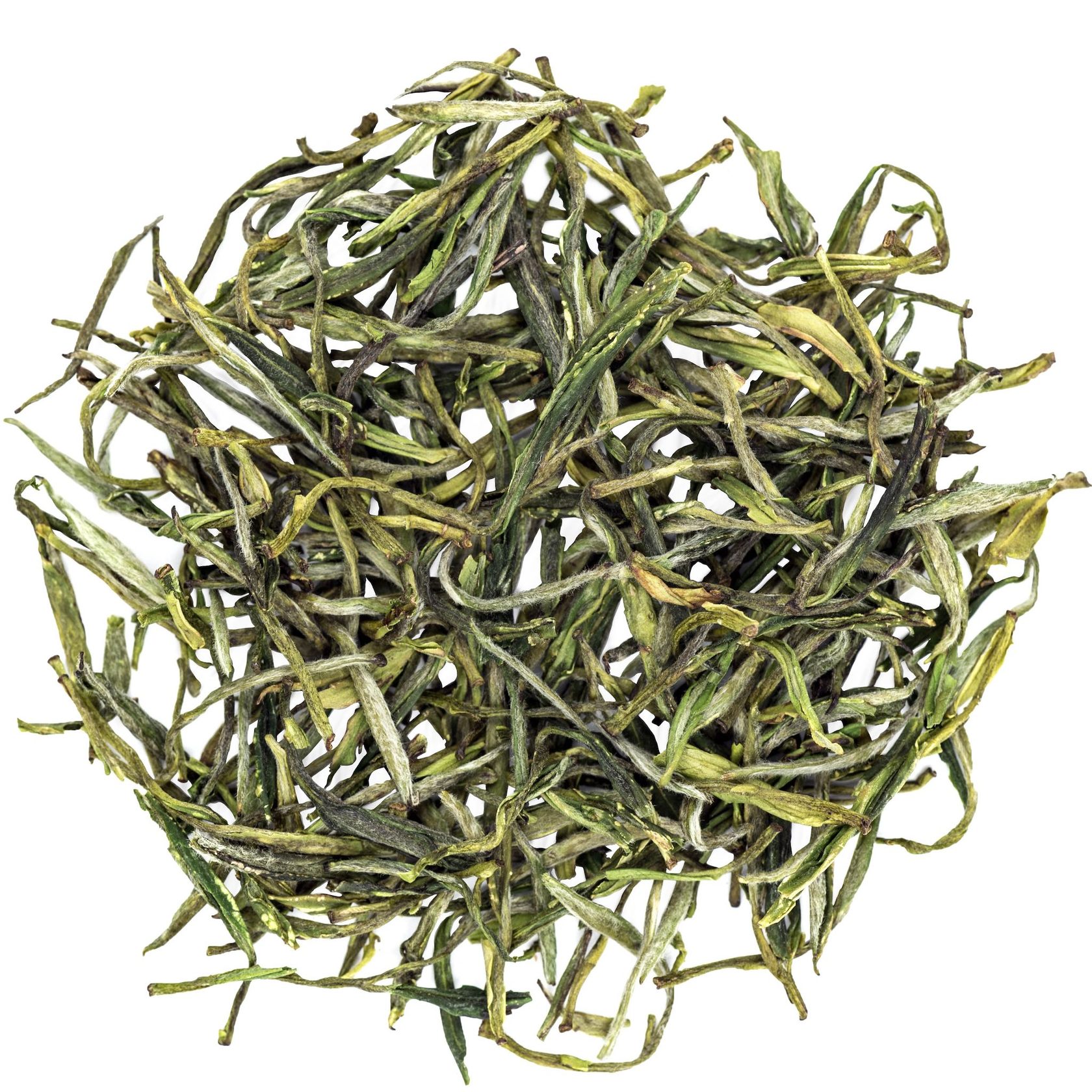
Huangshan Maofeng
huángshān máofēng
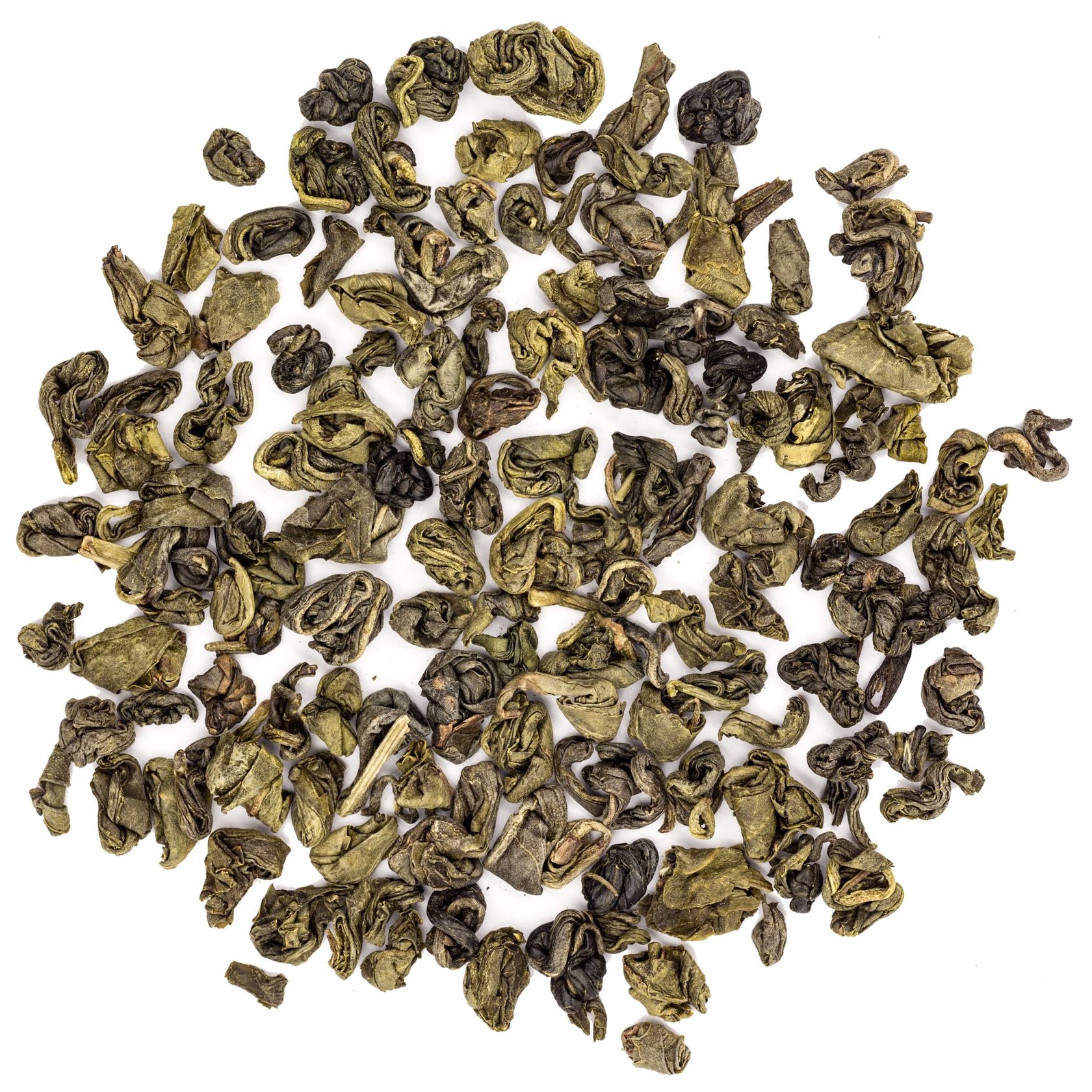
Lijiang Lü Luo
líjiāng lǜluó
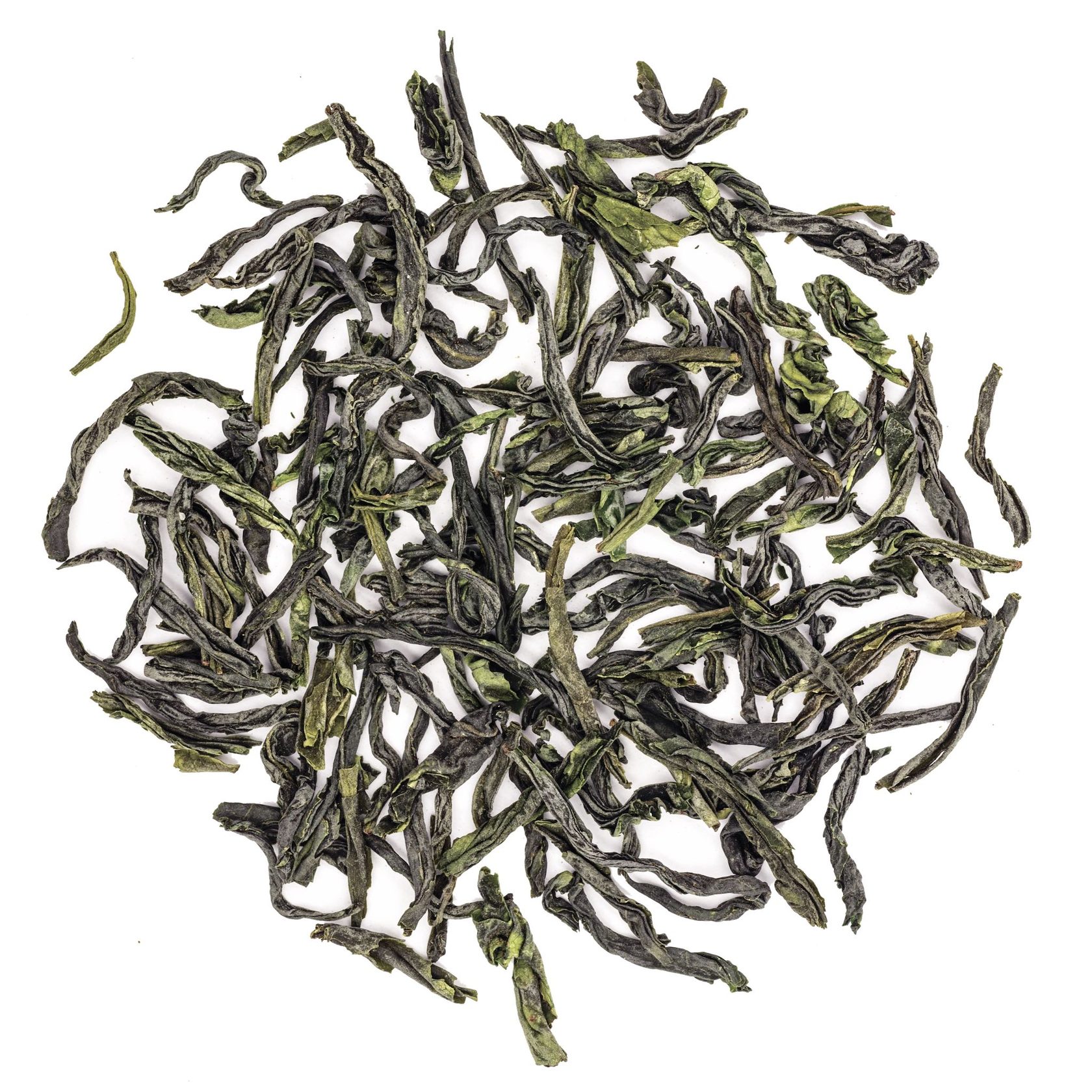
Liu An Gua Pian
liù'ān guāpiàn
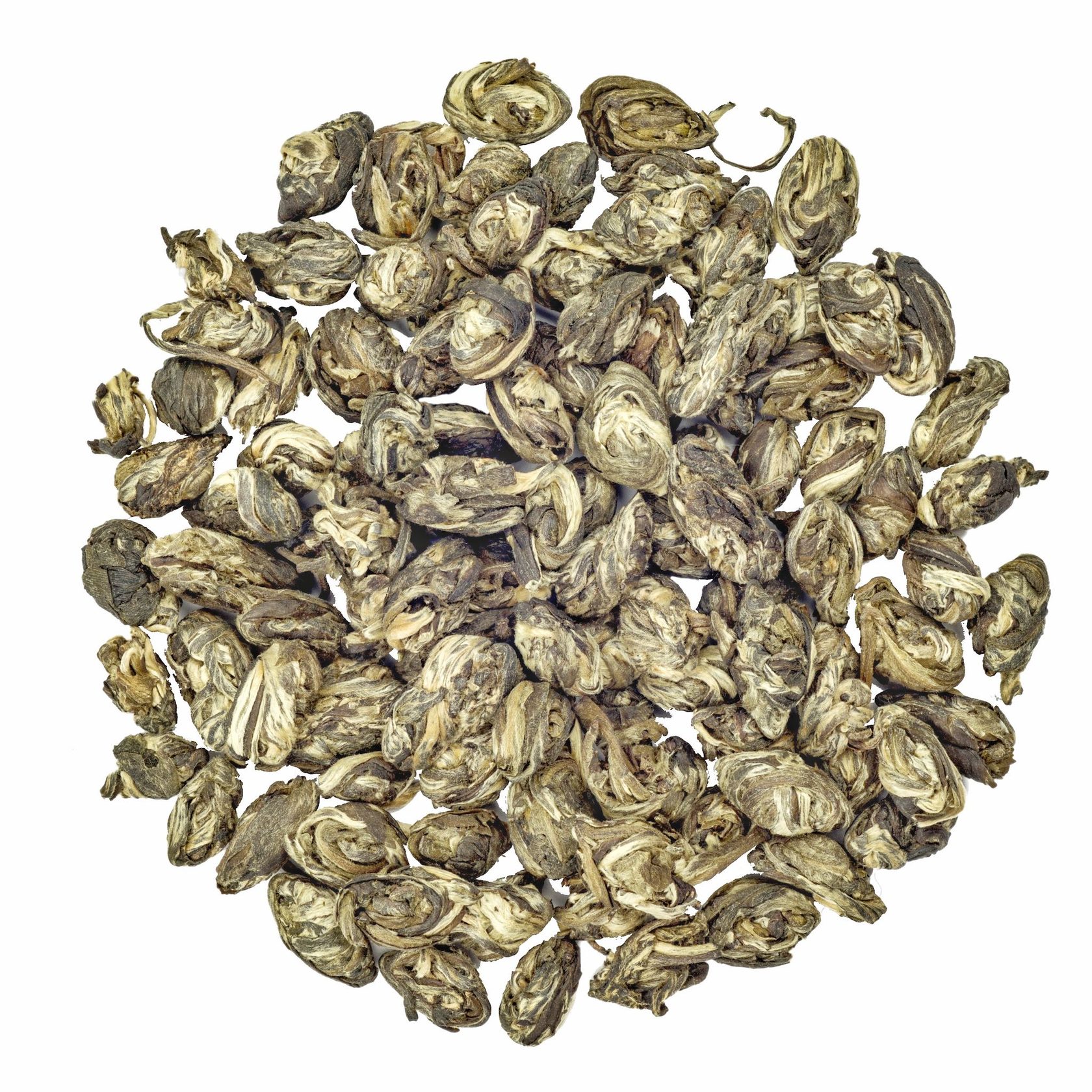
Moli Feng Yan
mòlì fèngyǎn
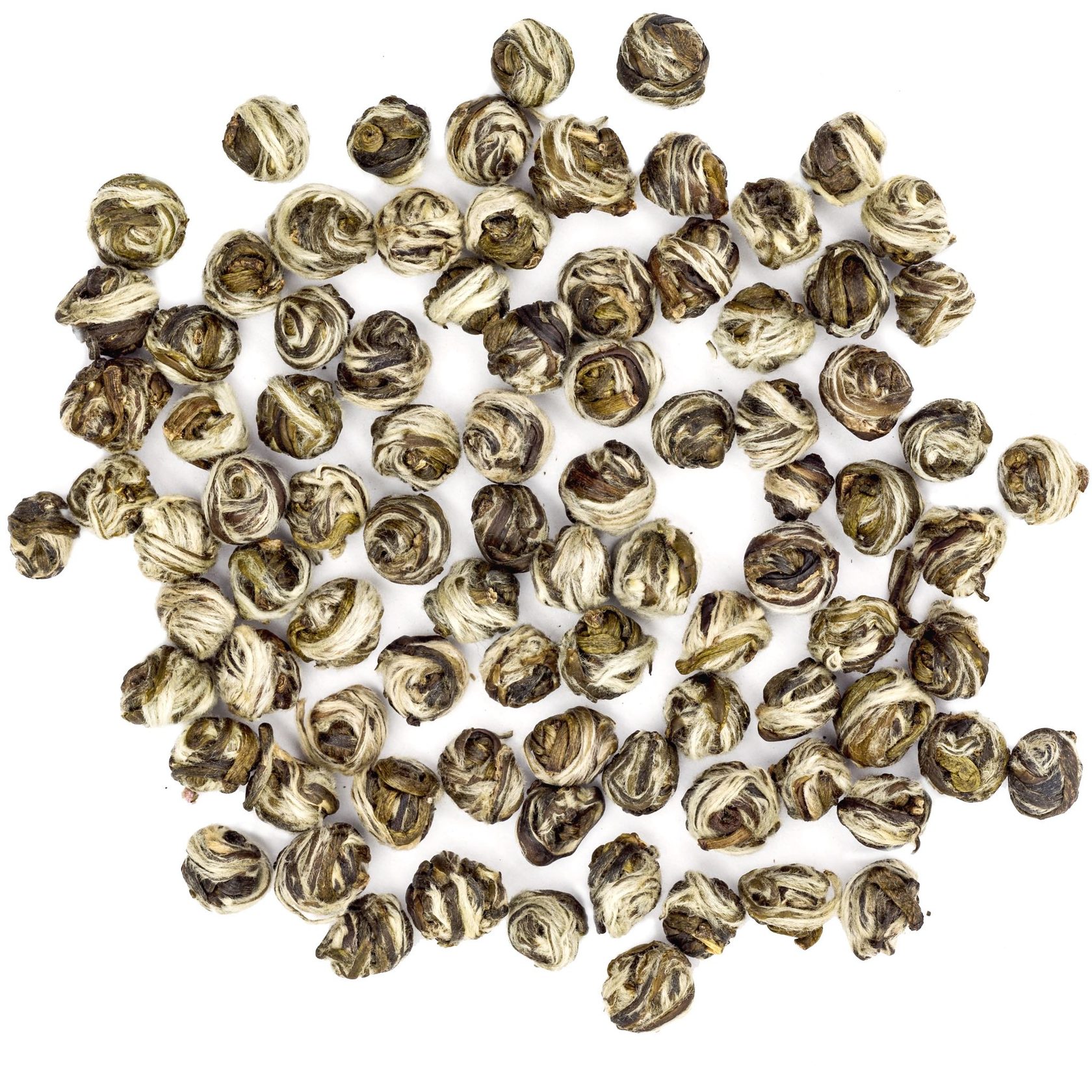
Mo Li Long Zhu
mòlì lóngzhū
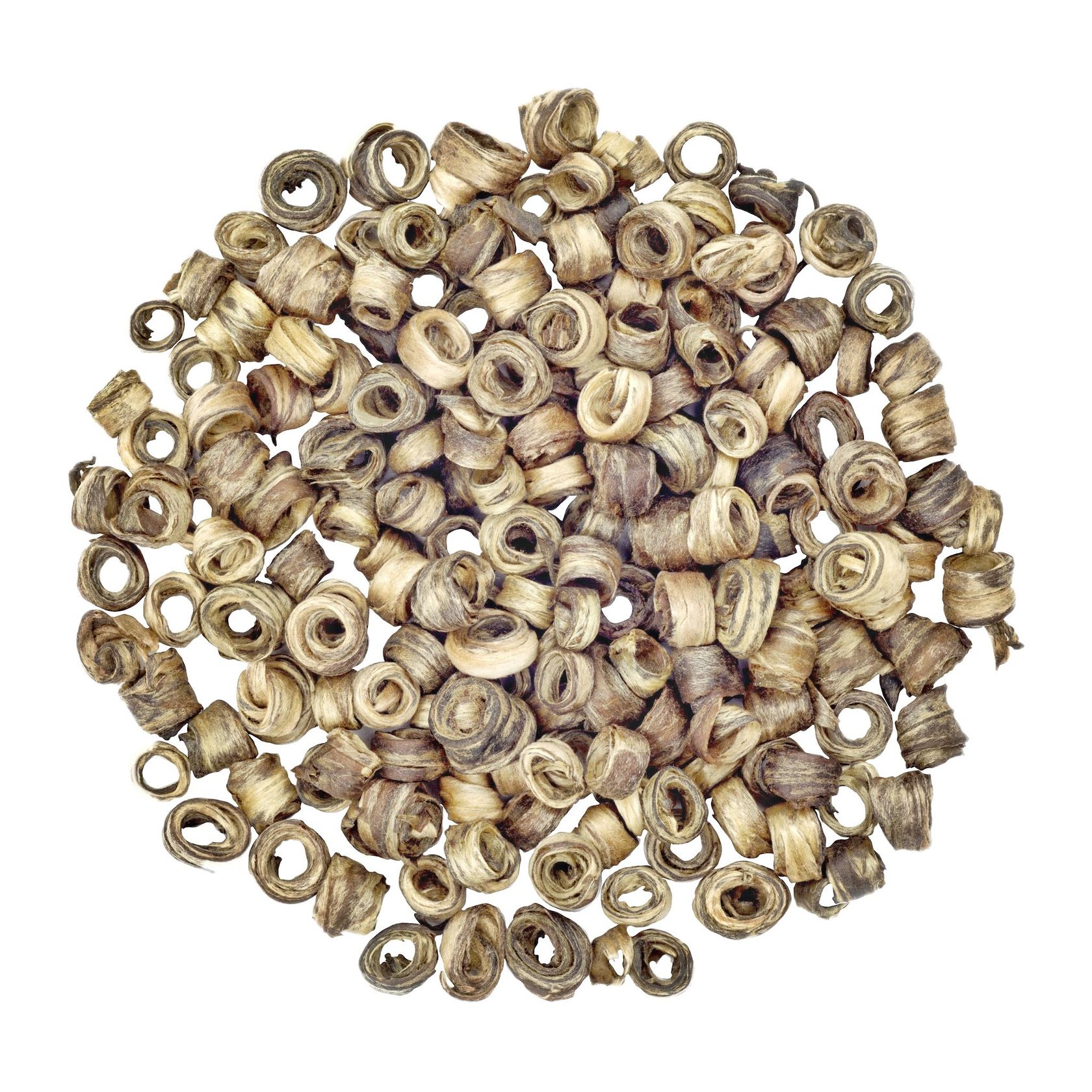
Moli Nü’er Huan
mòlì nǚ’ér huán
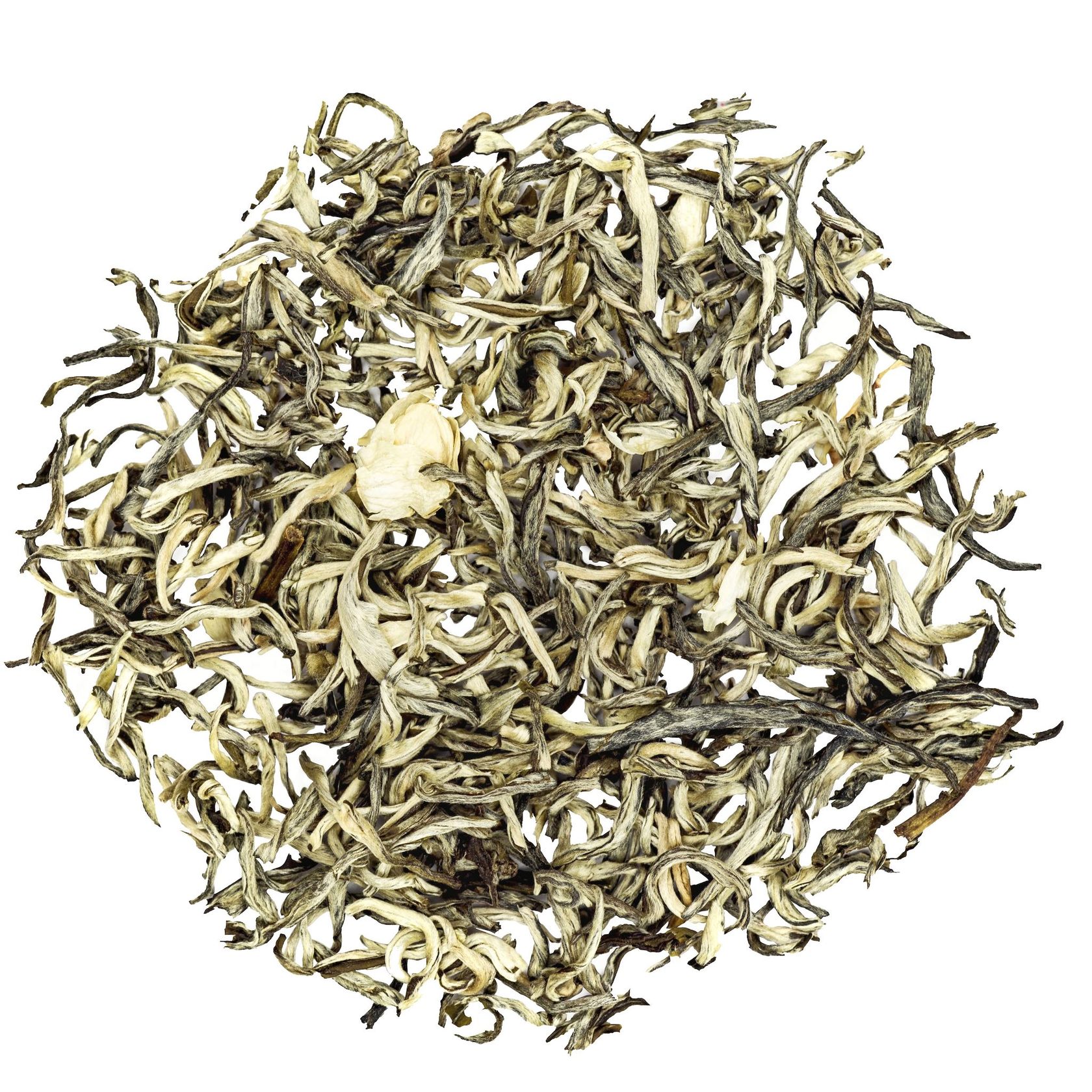
Moli Yin Hao
mòlì yínháo
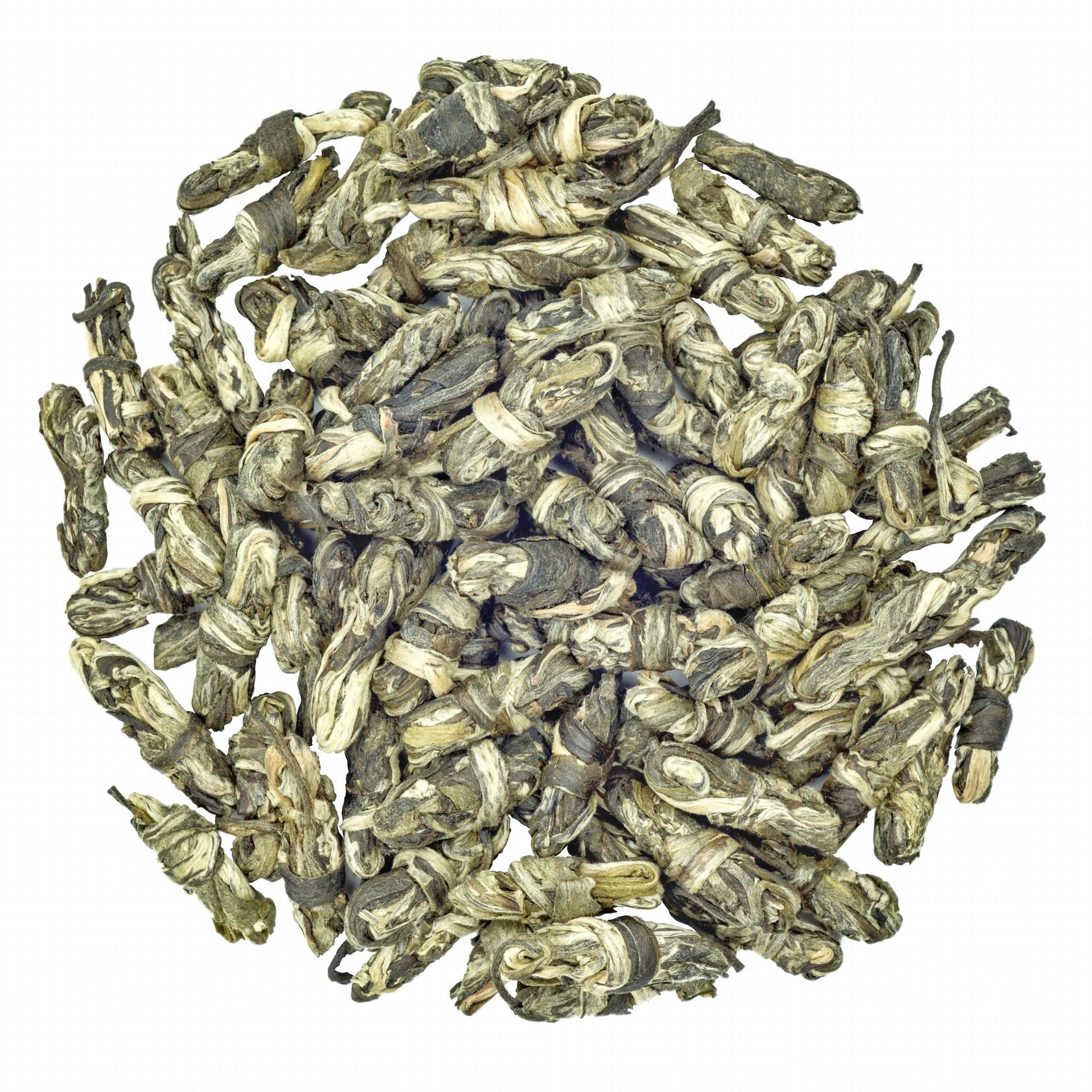
Moli Yu Die
mòlì yùdié
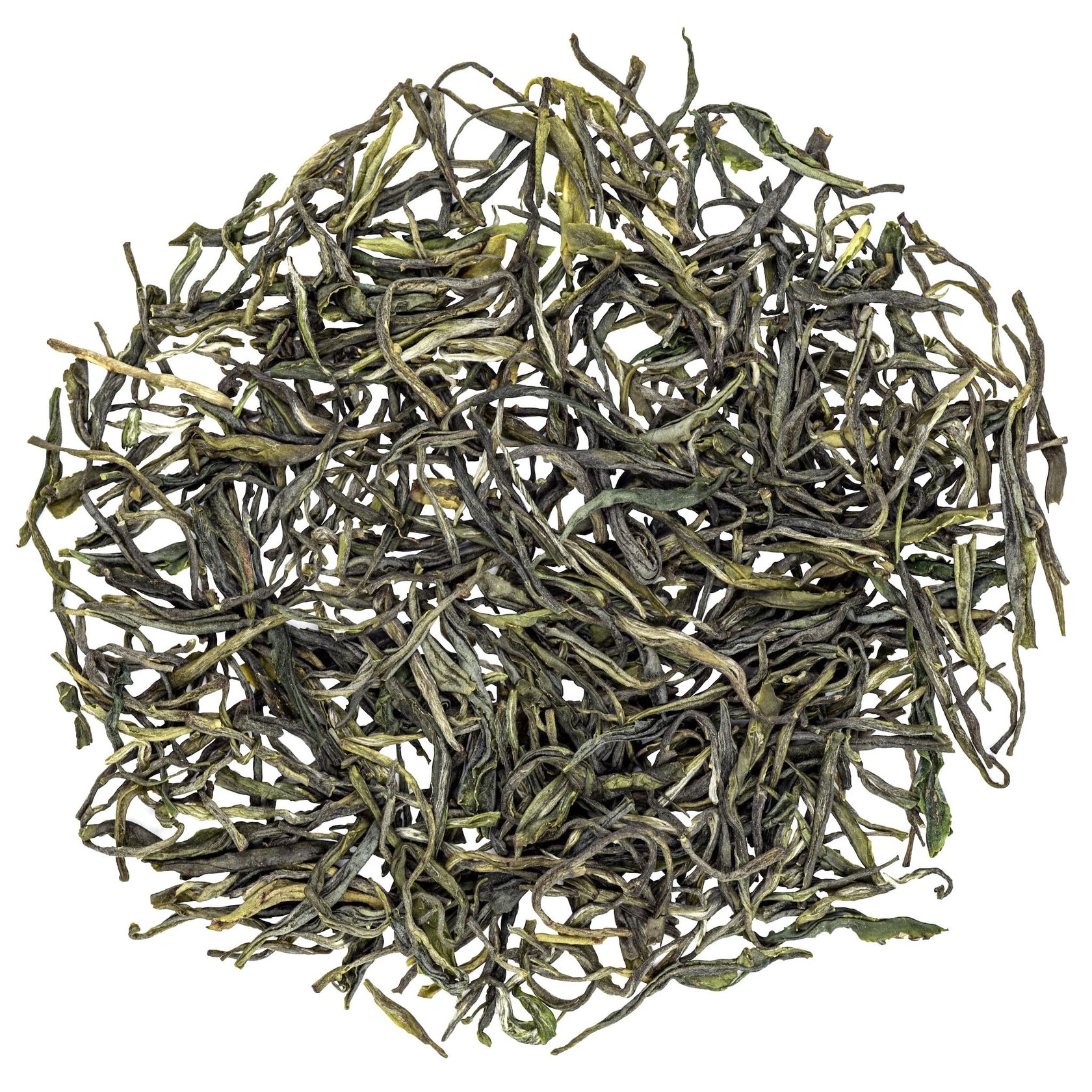
Nanjing Yuhua
nánjīng yǔhuā chá
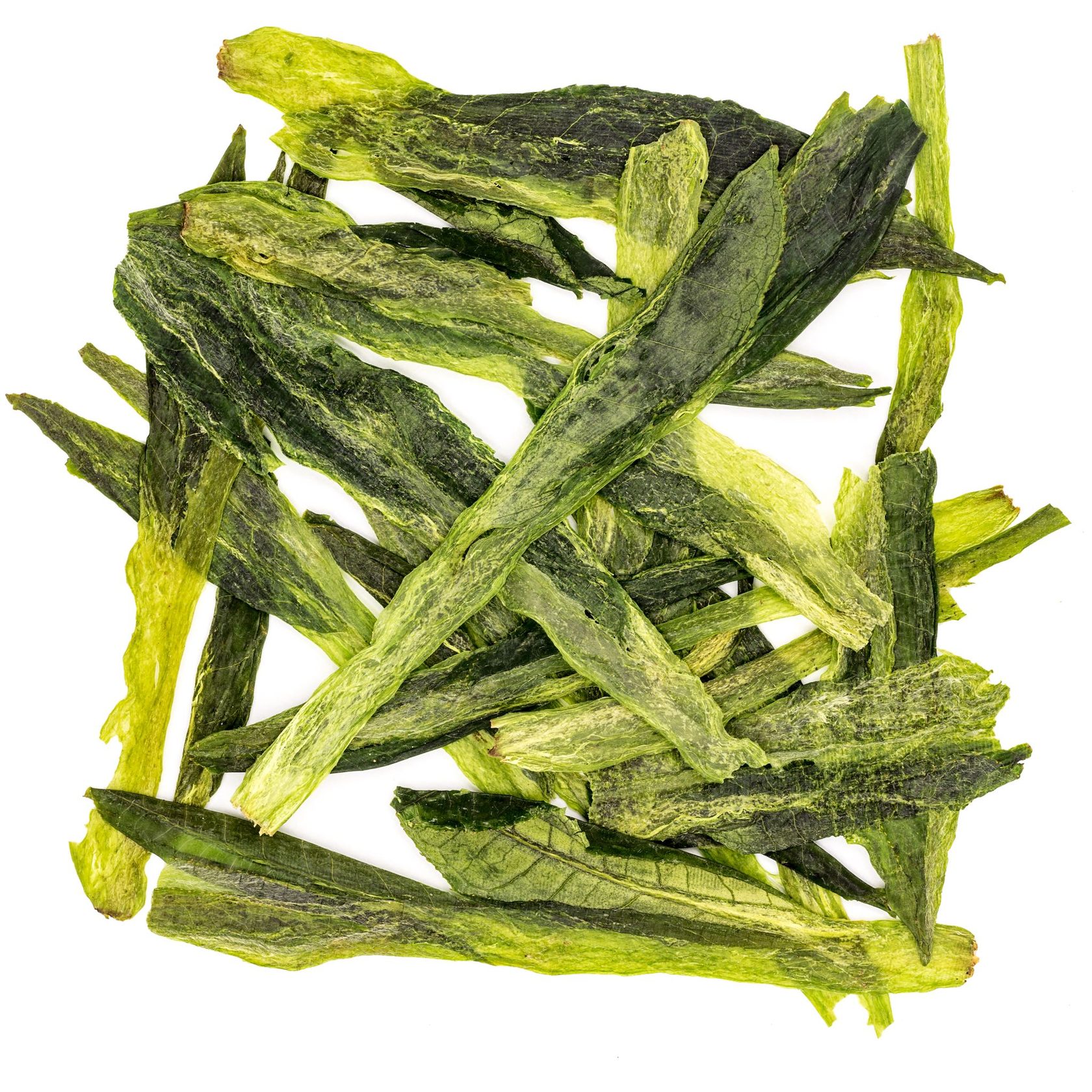
Taiping Houkui
tàipíng hóukuí
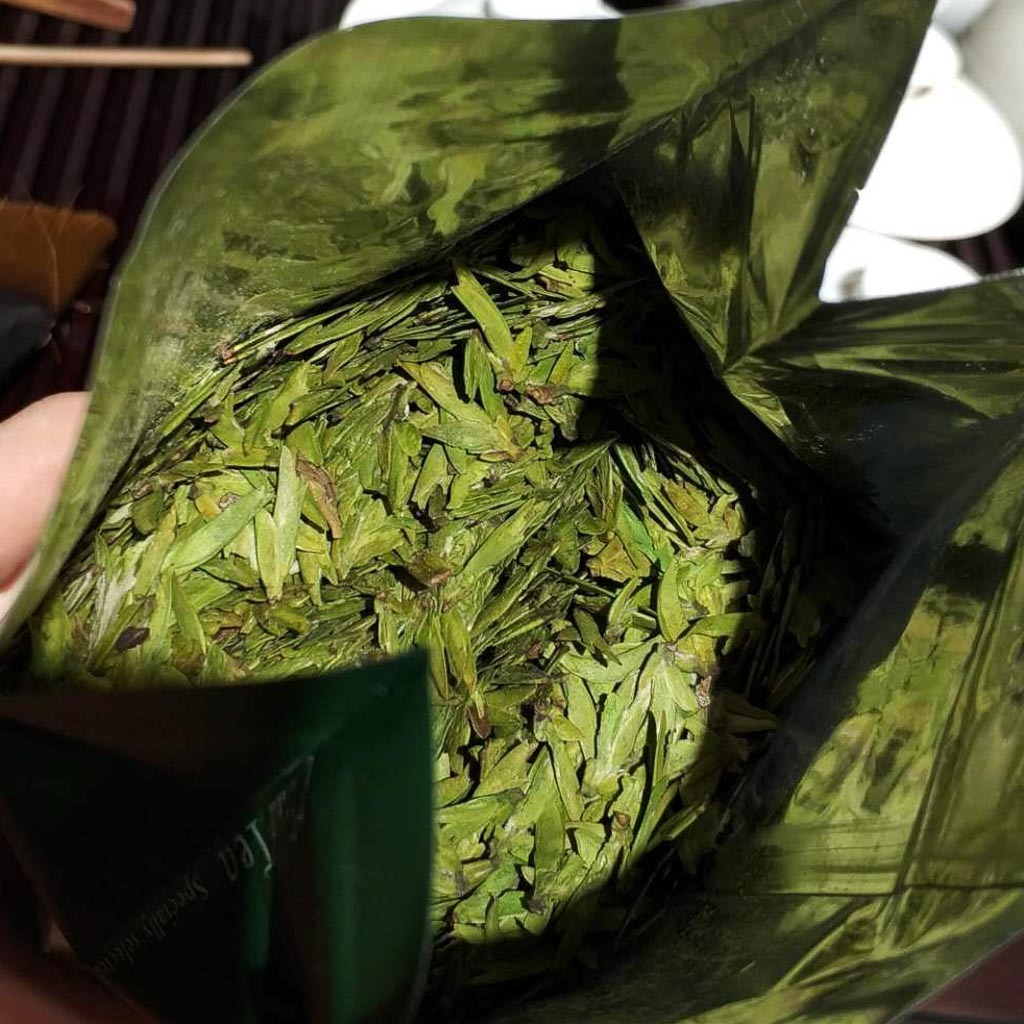
West Lake Longjing
xīhú lóngjǐng
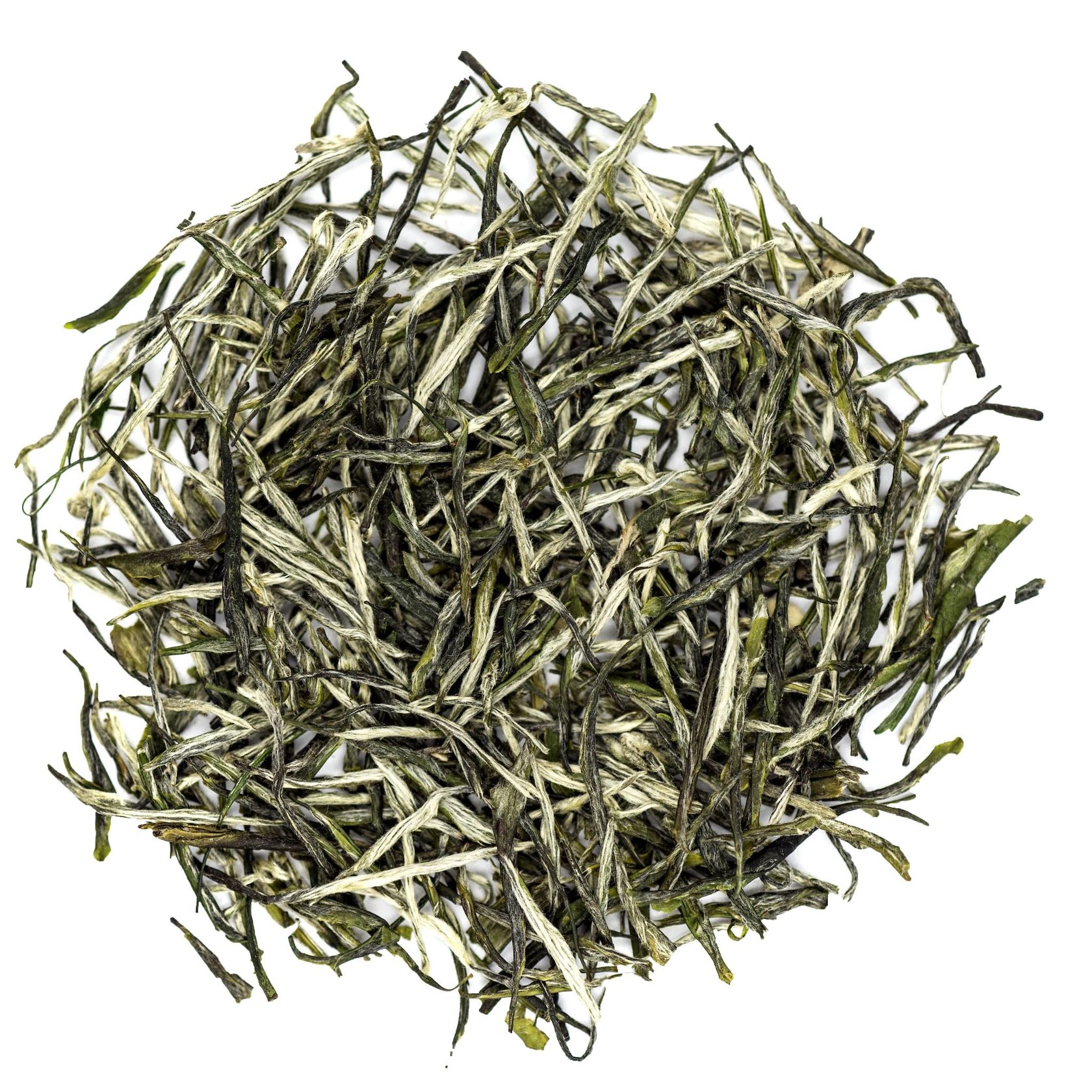
Xinyang Mao Jian
xìnyáng máojiān
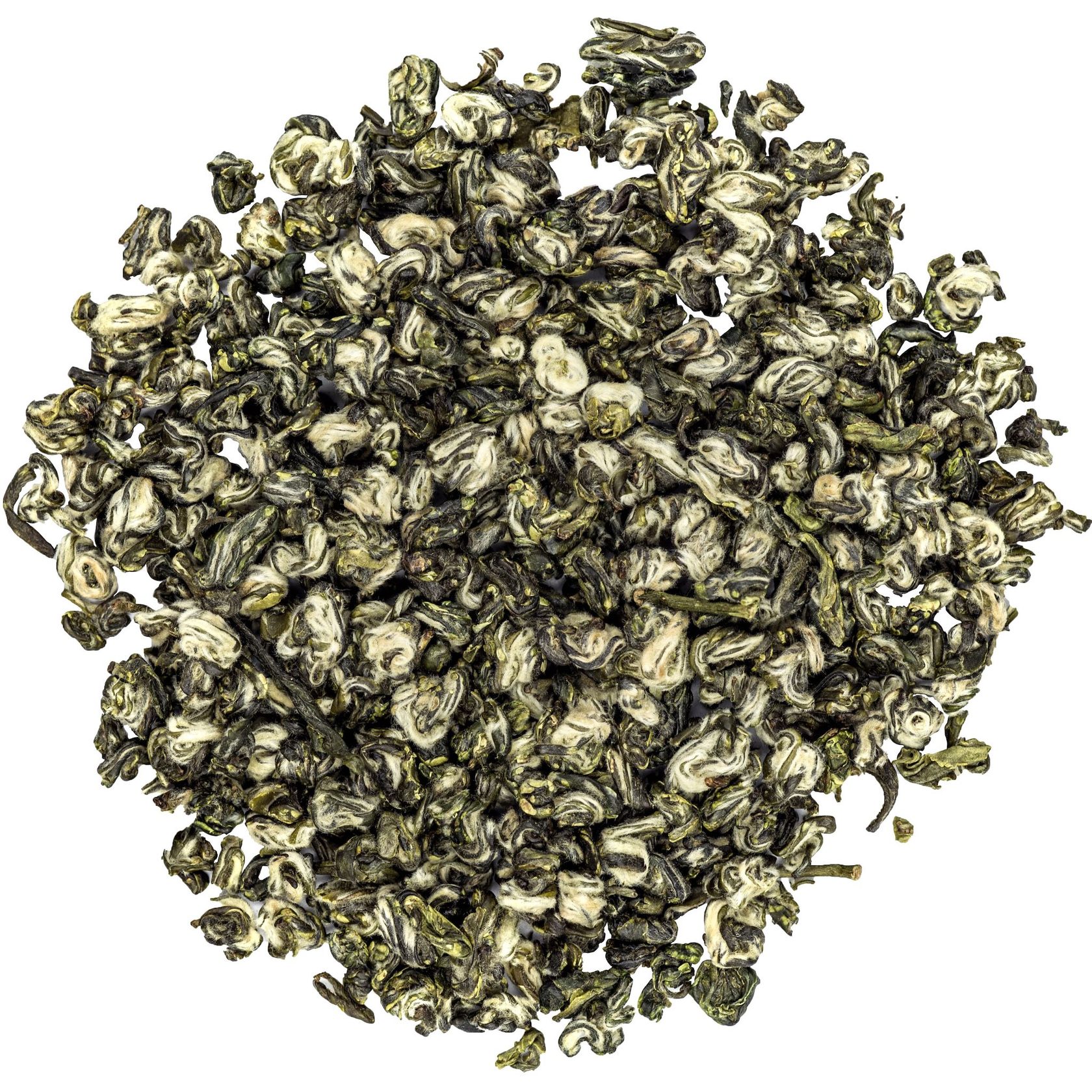
Yin Luo
yín luó
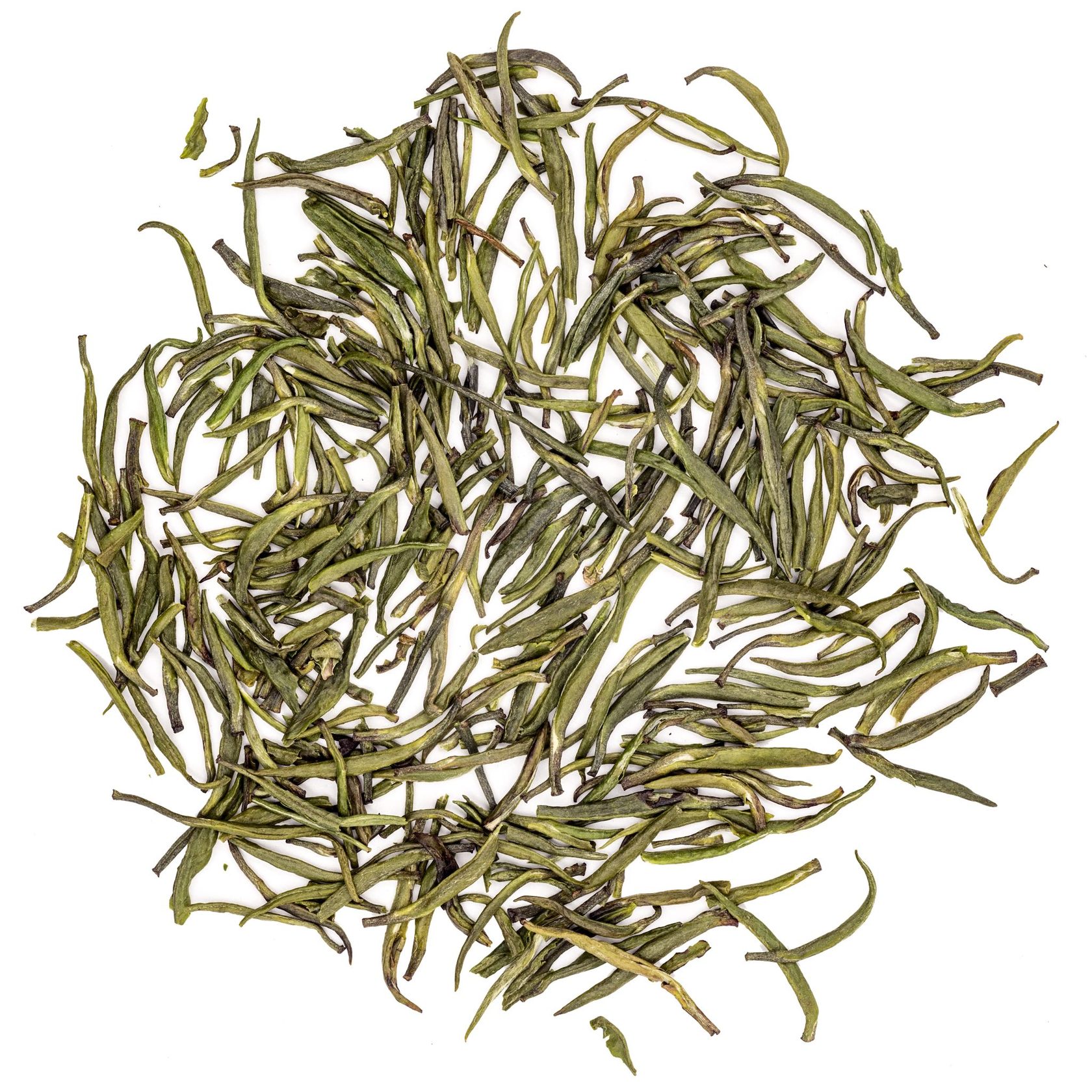
Zhu Ye Qing
zhúyèqīng