Green tea · Zhejiang
Anji Bai Cha
安吉白茶
A green tea with a misleading name. "White tea" here is not the class but the cultivar — a rare albino bush whose spring leaves run pale jade-yellow and unusually sweet, packed with amino acids.
- Region
- Anji county, Zhejiang
- Harvest
- A short spring window, when the leaf is palest
- Oxidation
- Unoxidised
- Cultivar
- Baiye
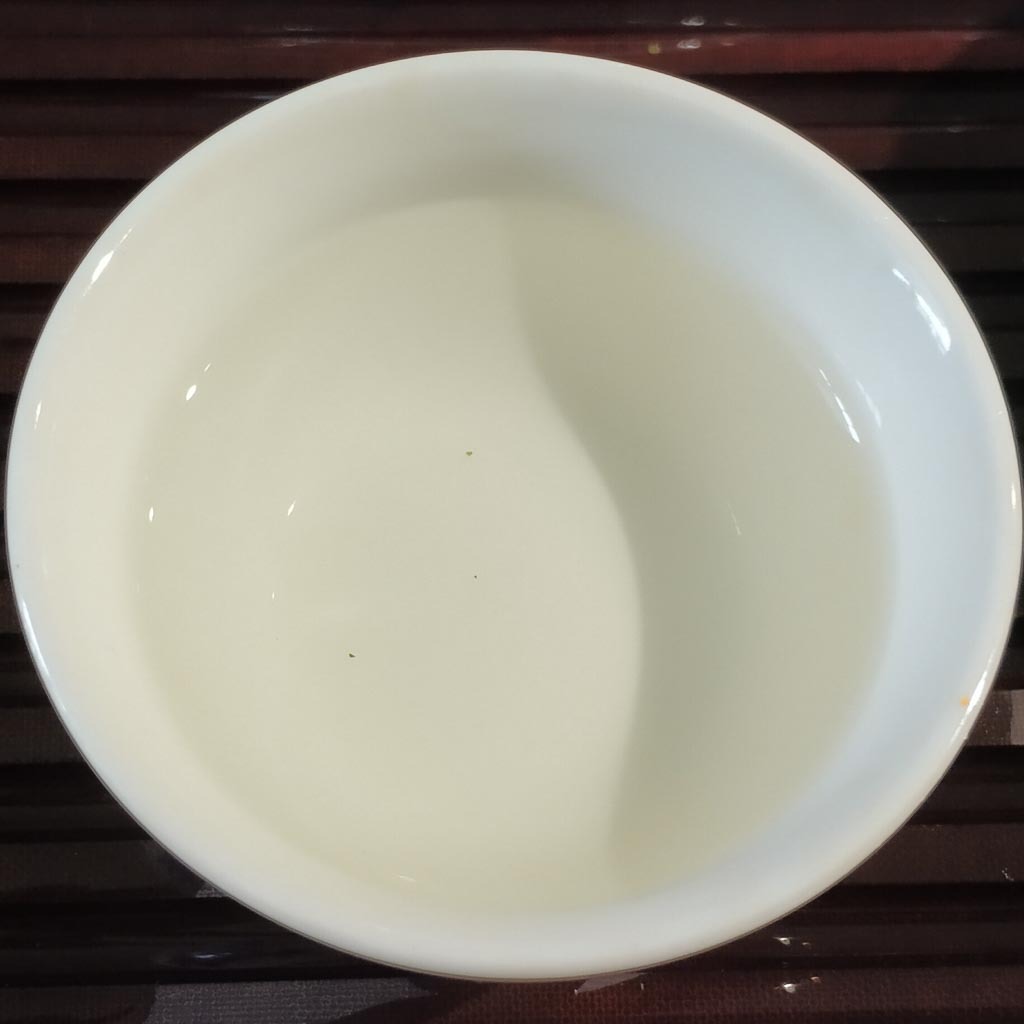
In the cup
Remarkably sweet and umami, with fresh bamboo, sweet corn and almost no bitterness.
What it gives
One of the highest amino-acid greens — the source of its sweetness and a soft, clear-headed calm.
Anji Bai Cha is a lesson in why Chinese tea names reward a second look. Báichá means “white tea”, but this is firmly a green tea — fixed and dried like any green. The “white” describes the bush: a natural albino-like cultivar, Baiye #1, whose new spring leaves emerge so pale they look bleached, jade-yellow rather than green.
That pallor comes with chemistry. The pale leaf is unusually low in chlorophyll and unusually high in amino acids, theanine above all — which is exactly what makes the cup so sweet and so low in bitterness. As the season warms and the leaf greens up, the magic fades, so the harvest window is short and the early pluck is prized.
In the cup
Brew it gently, around 80–85 °C, in glass so you can see the slender, pale leaves unfurl. The flavour is closer to sweet corn and fresh bamboo than to a classic grassy green — clean, soft and almost broth-like in its umami.
How to brew
Anji Bai Cha
Water
80–85 °C
Leaf
3 g per 150 ml
Steep
1–2 min
Vessel
Glass — to watch the pale leaf
More from this class
Green tea
Bai Mao Hou
báimáo hóu
Biluochun
bìluóchūn
Dong Ting Bi Luo Chun
dòngtíng bìluóchūn
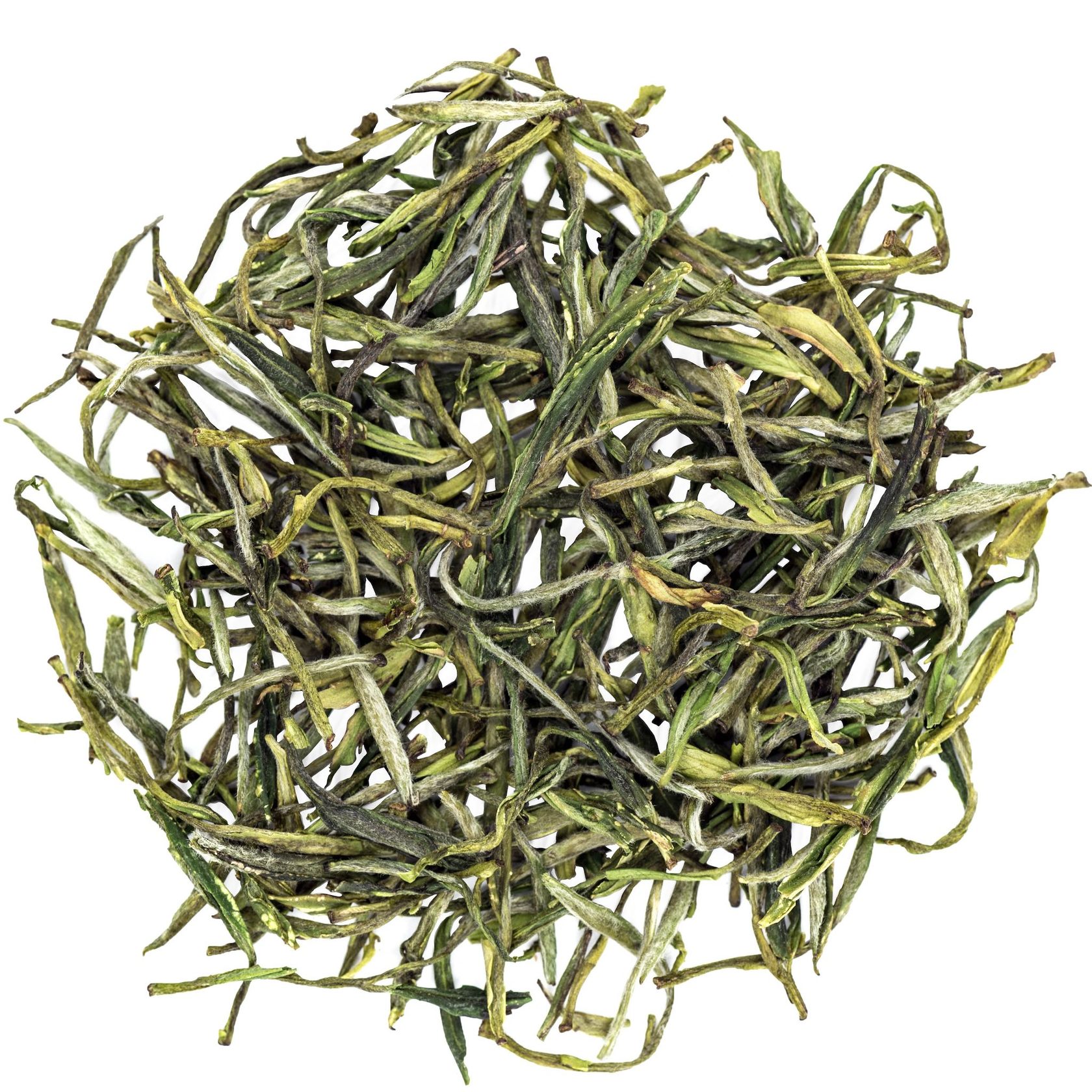
Huangshan Maofeng
huángshān máofēng
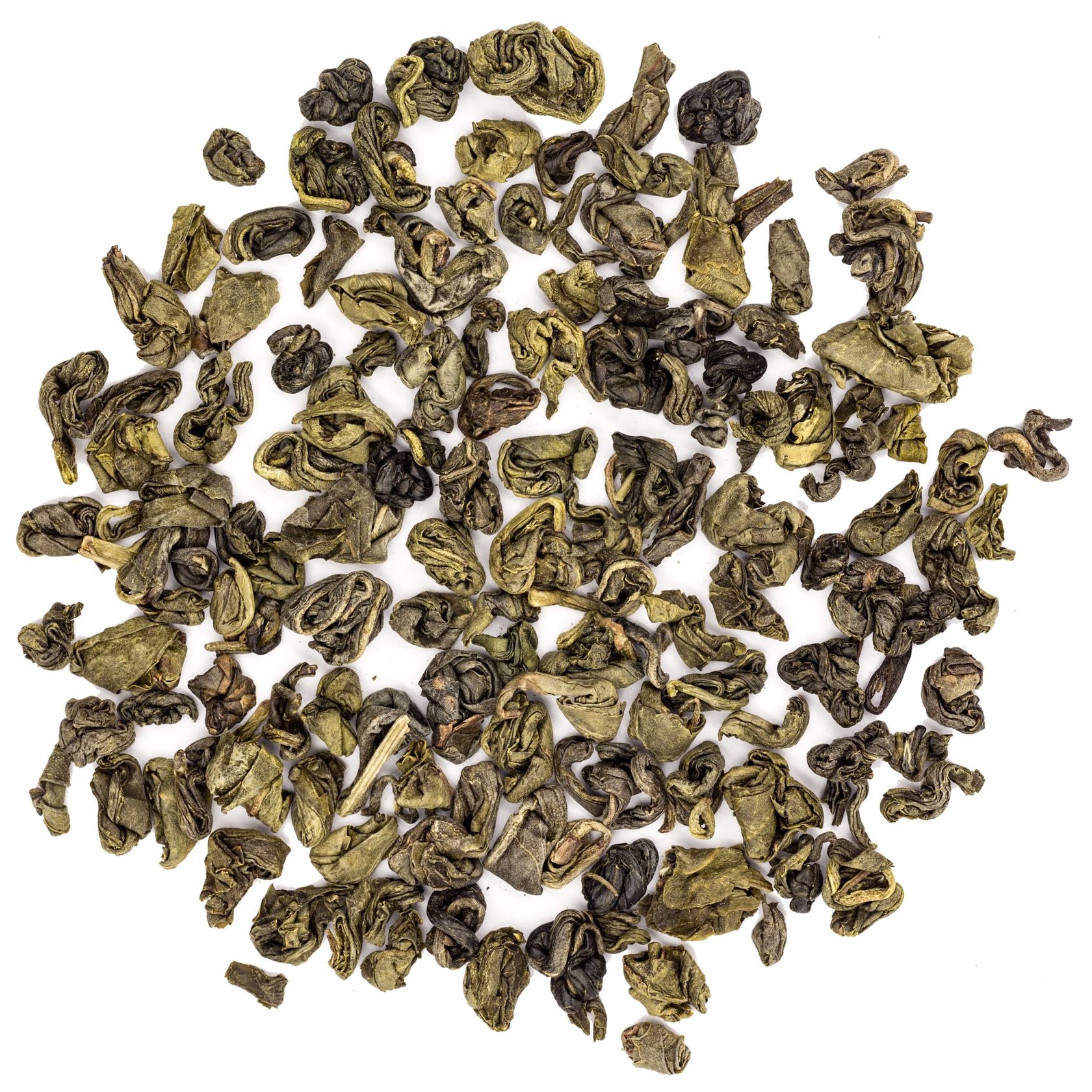
Lijiang Lü Luo
líjiāng lǜluó
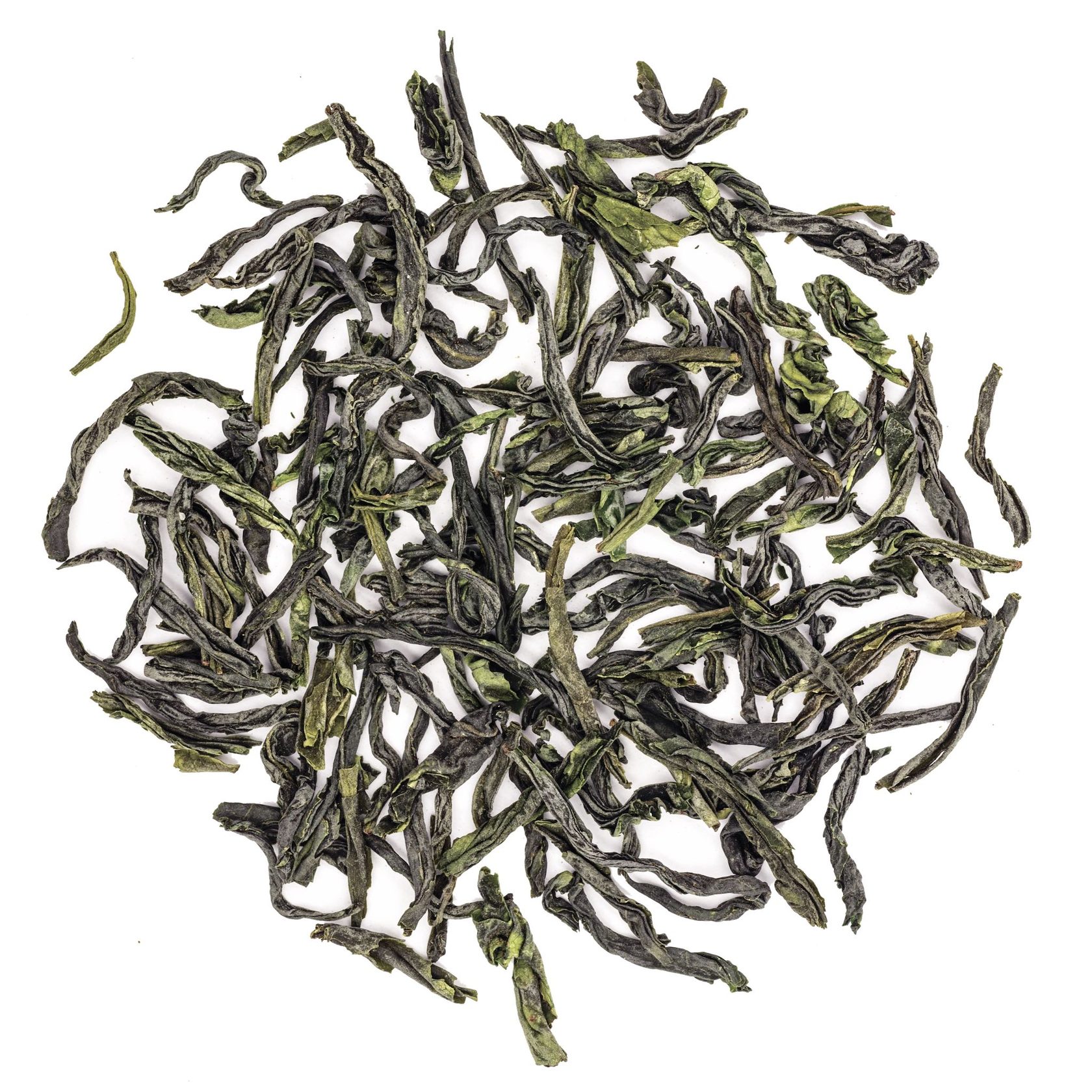
Liu An Gua Pian
liù'ān guāpiàn
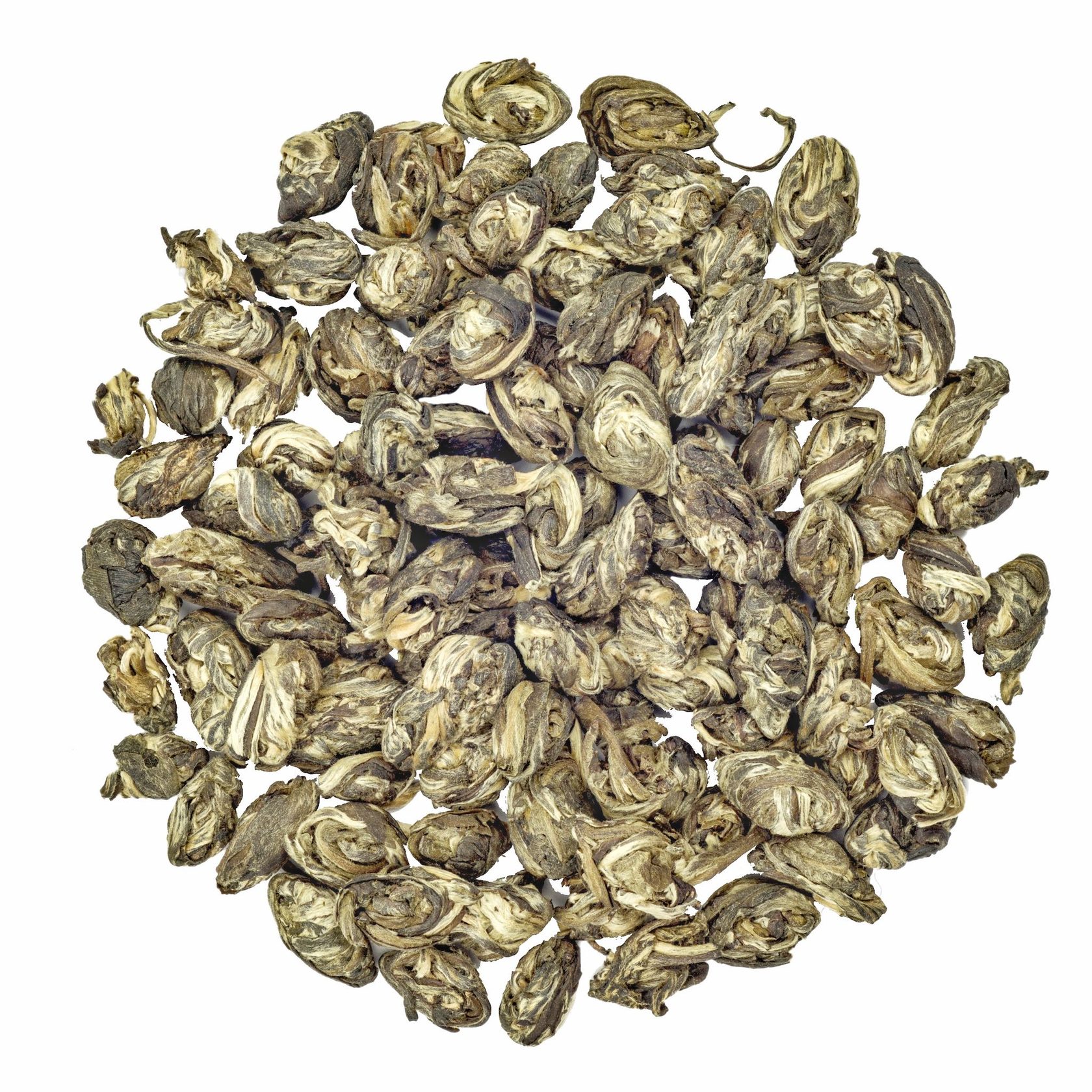
Moli Feng Yan
mòlì fèngyǎn
Mo Li Long Zhu
mòlì lóngzhū
Moli Nü’er Huan
mòlì nǚ’ér huán
Moli Yin Hao
mòlì yínháo
Moli Yu Die
mòlì yùdié
Nanjing Yuhua
nánjīng yǔhuā chá
Taiping Houkui
tàipíng hóukuí
West Lake Longjing
xīhú lóngjǐng
Xinyang Mao Jian
xìnyáng máojiān
Yin Luo
yín luó
Yunnan Lücha
yúnnán lǜchá
Zhu Ye Qing
zhúyèqīng