Dark tea · Guangxi
Liubao
六堡茶
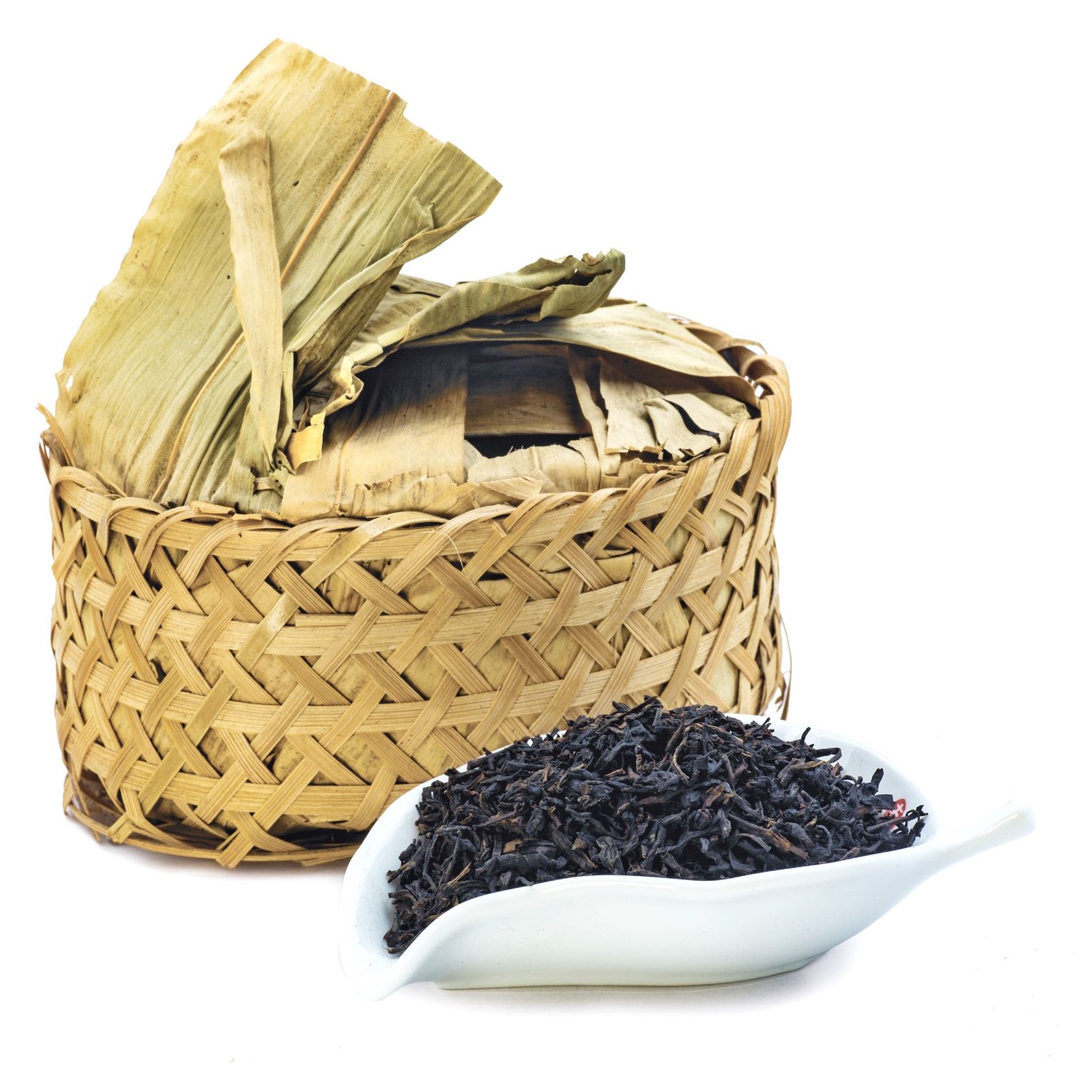
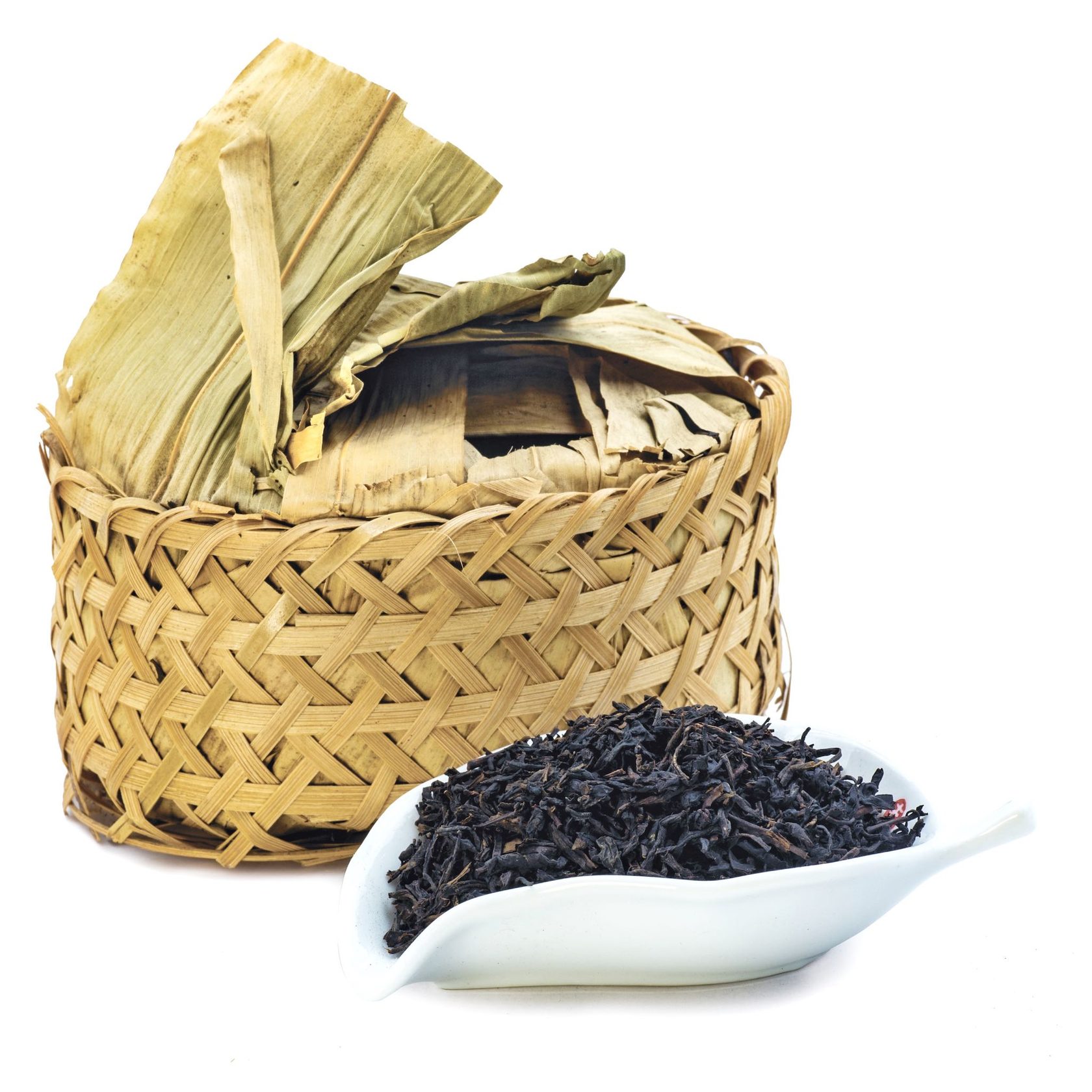
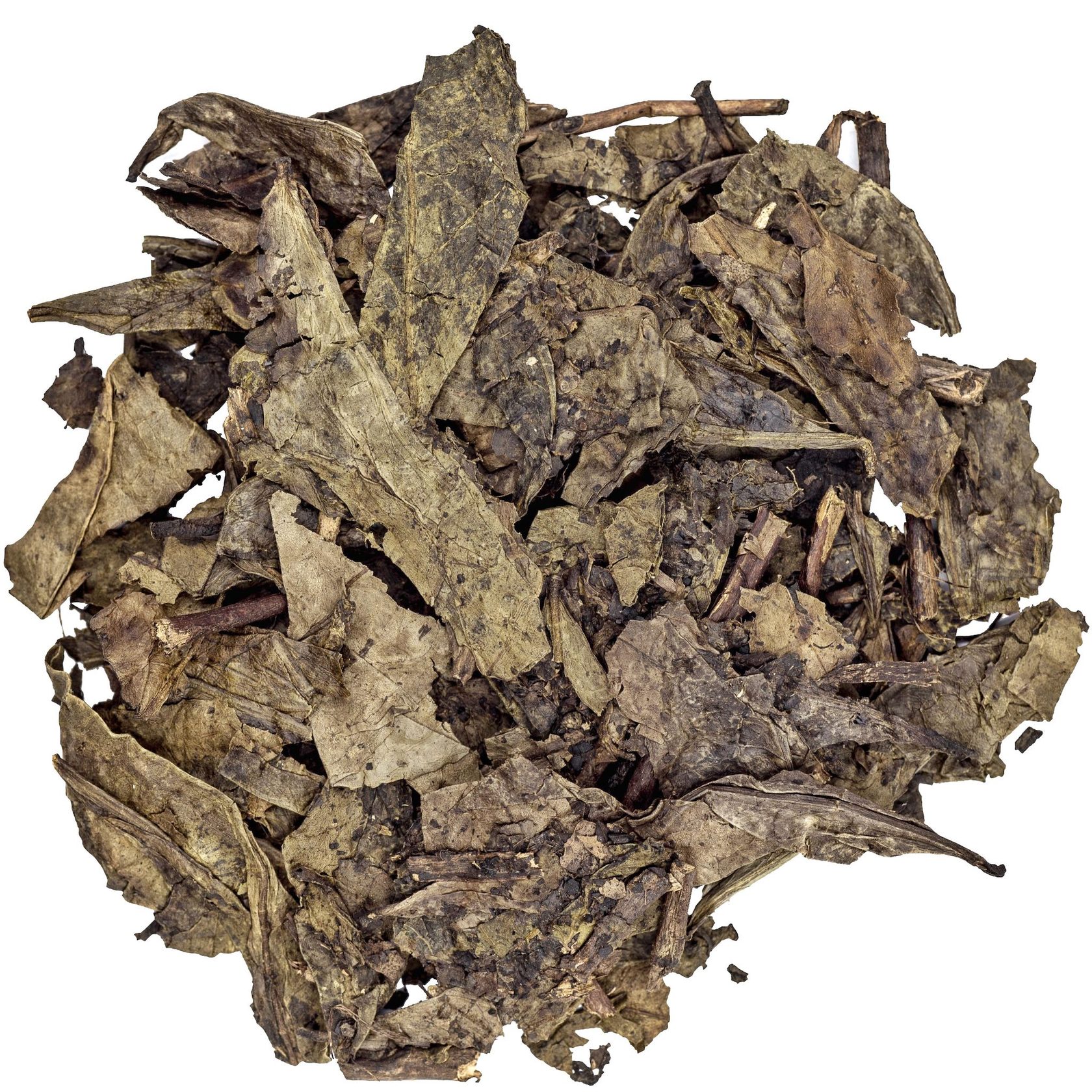
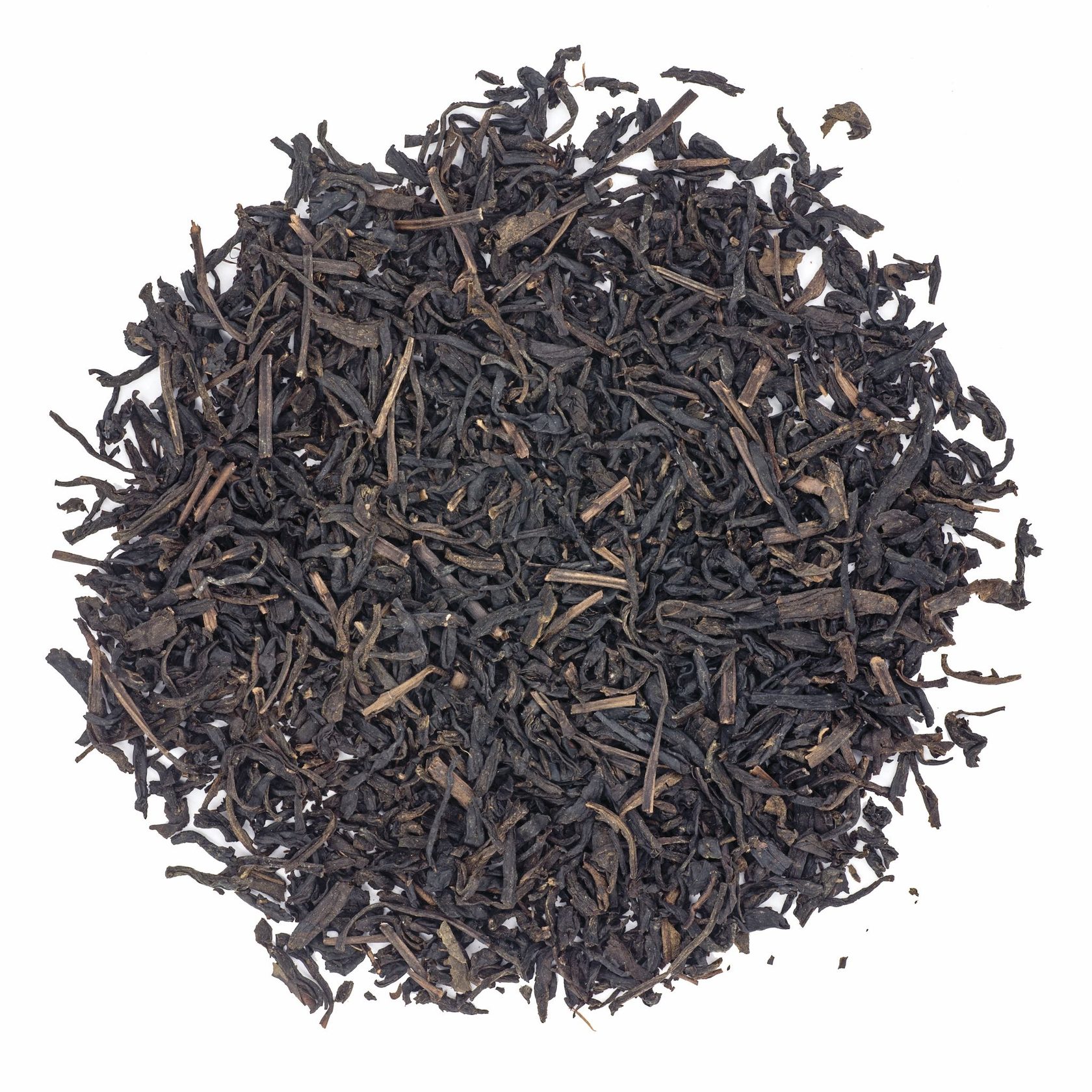
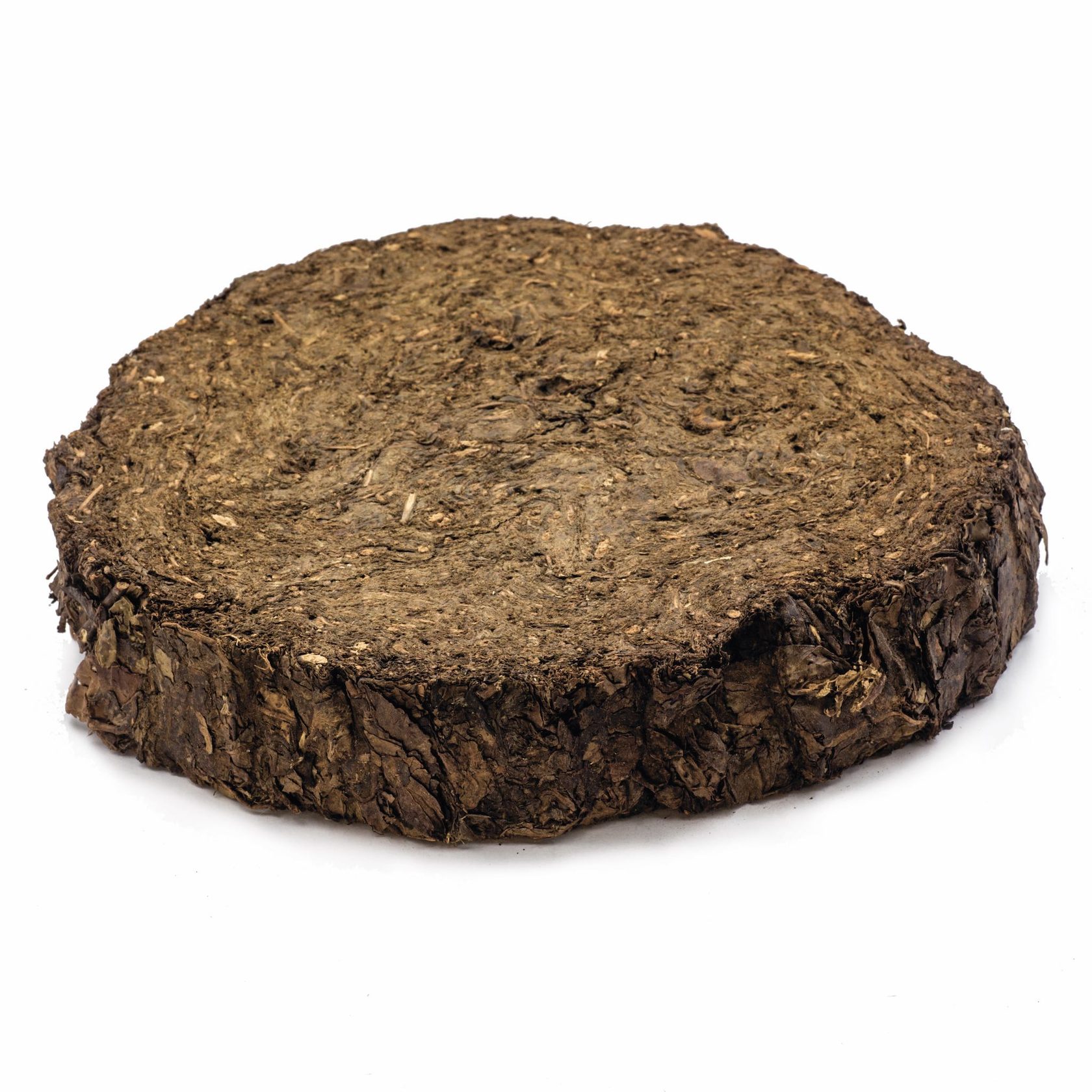
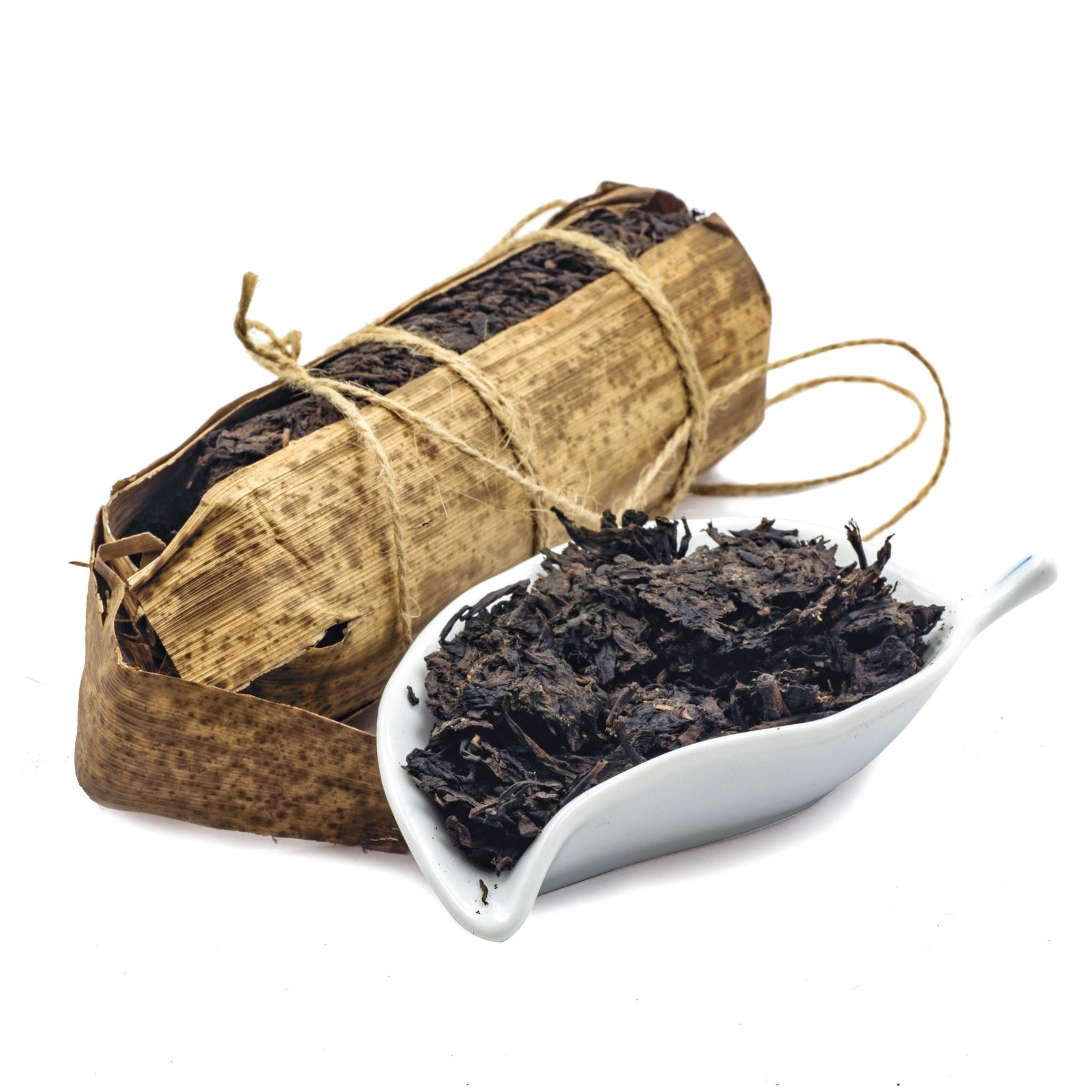
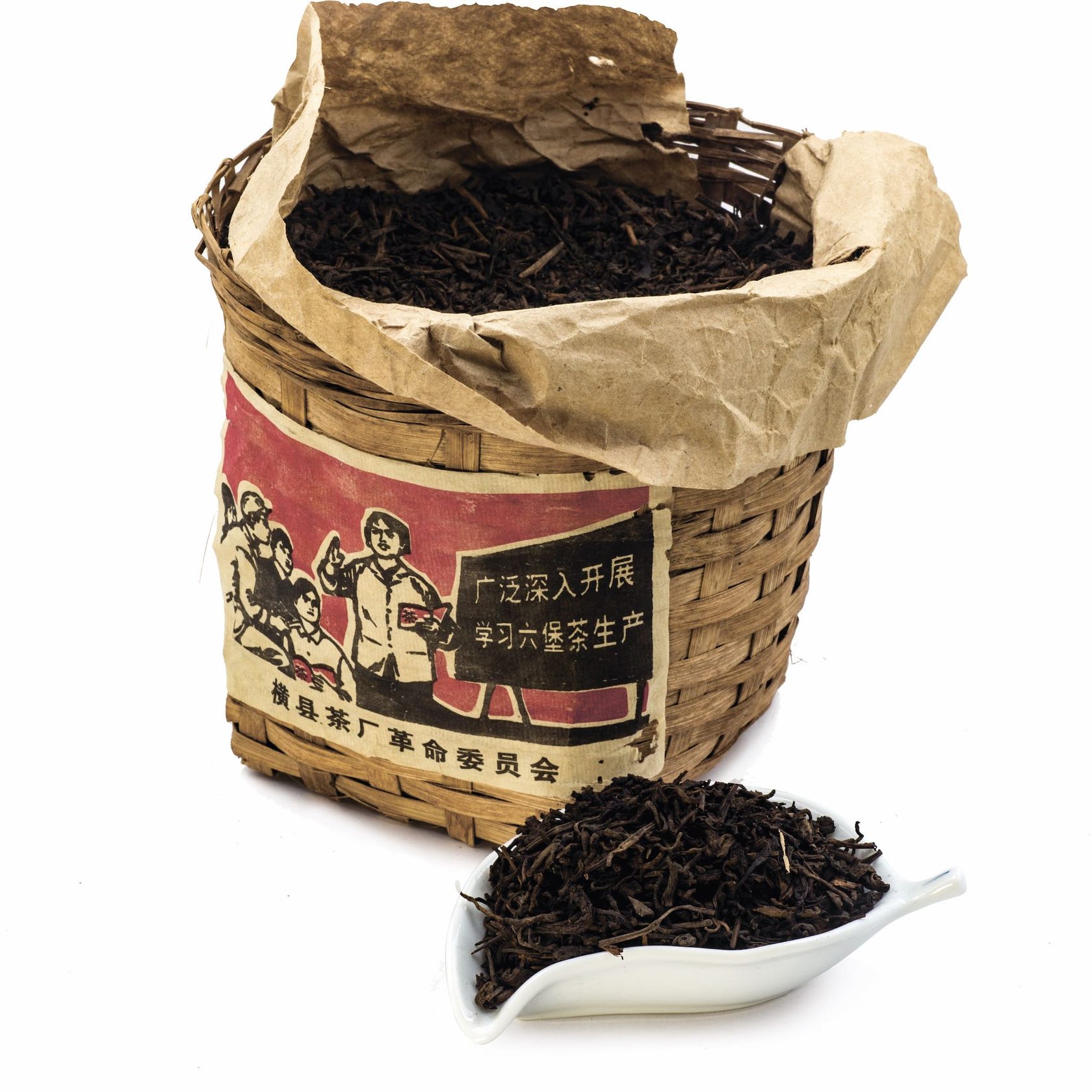
The dark tea of Guangxi — piled, fermented and aged in baskets, traditionally shipped to the tin miners of Southeast Asia. Smooth and earthy, with the famous "betel-nut" fragrance of a well-aged batch.
- Region
- Liubao town, Wuzhou, Guangxi — 800–1,400 m
- Harvest
- Spring through autumn; aged after pressing
- Oxidation
- Post-fermented (piled, then aged)
- Cultivar
- Guangxi broad-leaf bushes
In the cup
Damp wood, earth and dried longan, with the prized betel-nut note in good age — thick, smooth and round, never sharp.
What it gives
A warming, settling tea — traditionally drunk against damp heat, gentle on the stomach and an easy companion to a heavy meal.
Liubao — named for the Liubao town of Wuzhou in Guangxi — is one of China’s classic hēichá, the dark, post-fermented teas. For a century and more it was the working tea of the South China diaspora, packed into baskets and shipped down the rivers to the tin mines of Malaysia, where miners drank it against the heat and damp. That trade shaped both its reputation and its long-keeping nature.
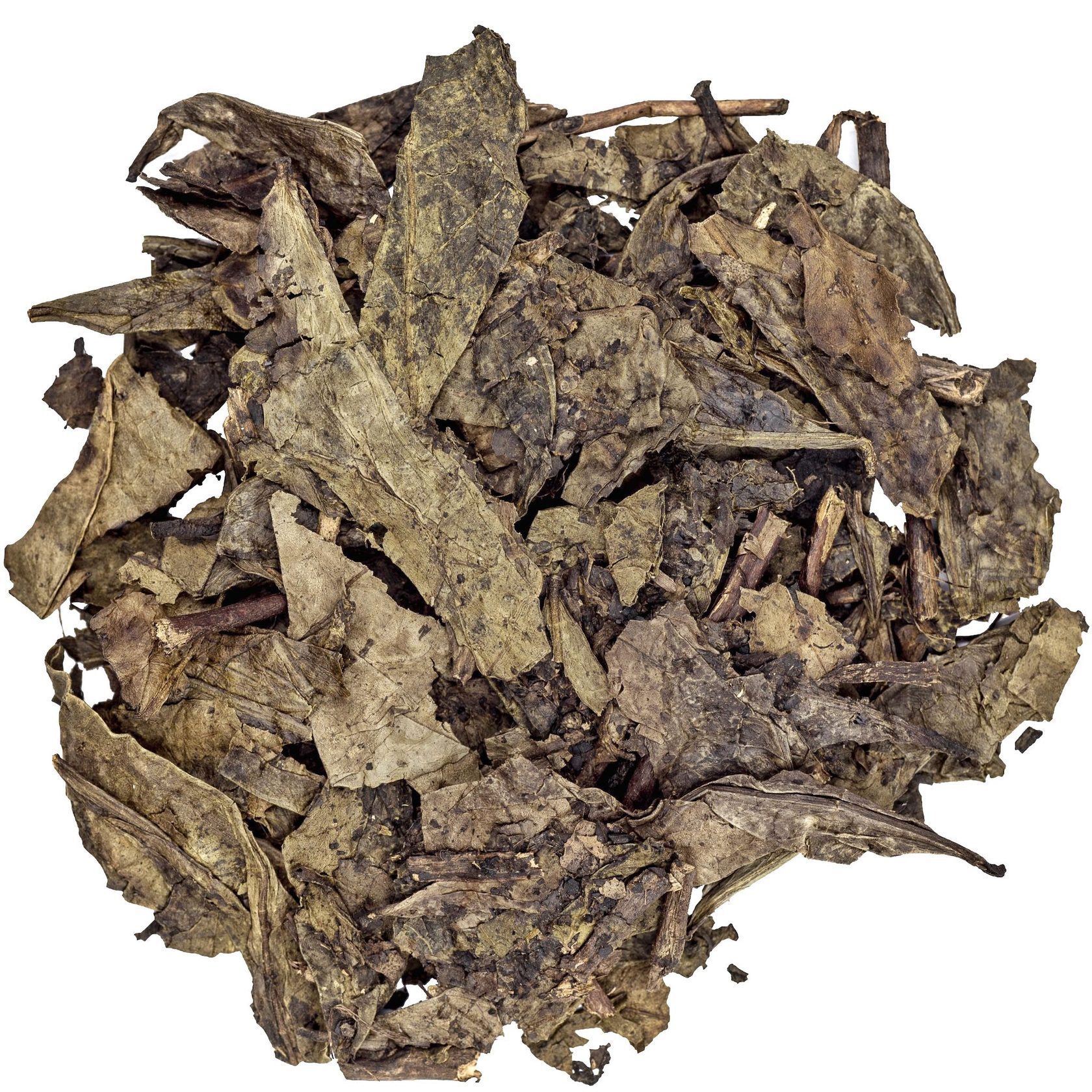
Its character comes from a true microbial fermentation. The leaf is piled warm and damp to ferment, wòduī, then pressed into baskets and aged, often for years, in cool storage. Good Liubao deepens with time: the earthiness mellows, and a distinctive betel-nut fragrance, bīnglàng xiāng, emerges that connoisseurs hunt for.
In the cup
Always rinse it first, then brew boiling and short, gongfu style. The liquor is dark red-brown, the body thick and smooth, the flavour all damp wood, earth and dried longan with no bitterness at all. It gives a long, generous run of steeps and only gets rounder as the session goes on.
How to brew
Liubao
Water
100 °C — full boil
Leaf
6 g per 100 ml
Steep
Rinse, then 10–20 s, many steeps
Vessel
Gaiwan or clay pot